Online Reporter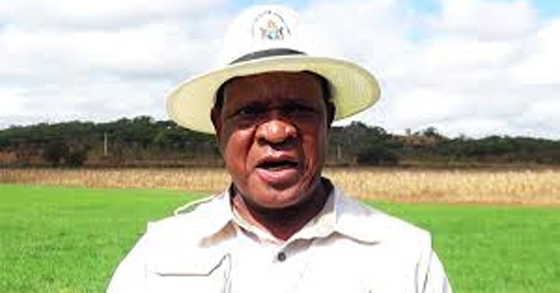
Sunday Mail Reporter
THE Government has reinstated the ban on peri-urban farming and will no longer extend input support to residents of urban and peri-urban areas under the Presidential Inputs Support Scheme, Lands, Agriculture, Fisheries, Water and Rural Development Minister Dr Anxious Masuka has said.
Peri-urban farming refers to small-scale crop and livestock production that takes place in and around towns and cities, often on undeveloped plots, road verges, wetlands and other open spaces.
In recent years, it has become common in areas around major cities such as Harare, Bulawayo, Gweru and Mutare, as urban residents seek to supplement their food supplies or incomes.
However, the Government maintains that agriculture should only take place on land specifically designated for farming.
Responding to questions during Wednesday’s question-and-answer session in the National Assembly, Dr Masuka said urban and peri-urban settlements are primarily residential and, therefore, unsuitable for farming.
Uncontrolled cultivation in such areas, he said, can damage the environment, clog drainage systems and strain municipal infrastructure.
“It is important to note that agriculture is designated for agricultural zones,” he said.
“Urban areas are primarily residential and do not accommodate farming activities.
“In Zimbabwe, we have established that urban agriculture is not permitted, as farming should take place on land specifically allocated for agricultural purposes, not within urban settlements.”
During last year’s drought, the Government temporarily extended the Presidential Inputs Support Scheme to peri-urban households in recognition of the difficulties they faced in accessing food.
That decision brought an additional 500 000 beneficiaries into the programme.
“This year, the inputs will be strictly allocated to the three million rural beneficiaries,” said Dr Masuka.
“Anyone residing in an urban area who wishes to benefit must be located in designated agricultural zones; namely, communal lands, A1 resettlement areas or small-scale farming areas. These are the targeted zones for the Pfumvudza/Intwasa Programme this season.”
Some legislators expressed concern that the ban could exclude households in peri-urban constituencies bordering rural communities, where residents actively participate in programmes such as Pfumvudza/Intwasa.
The Pfumvudza/Intwasa programme has become the cornerstone of national food security efforts, with three million rural households expected to benefit from seed, fertiliser and training support this season.