Online Reporter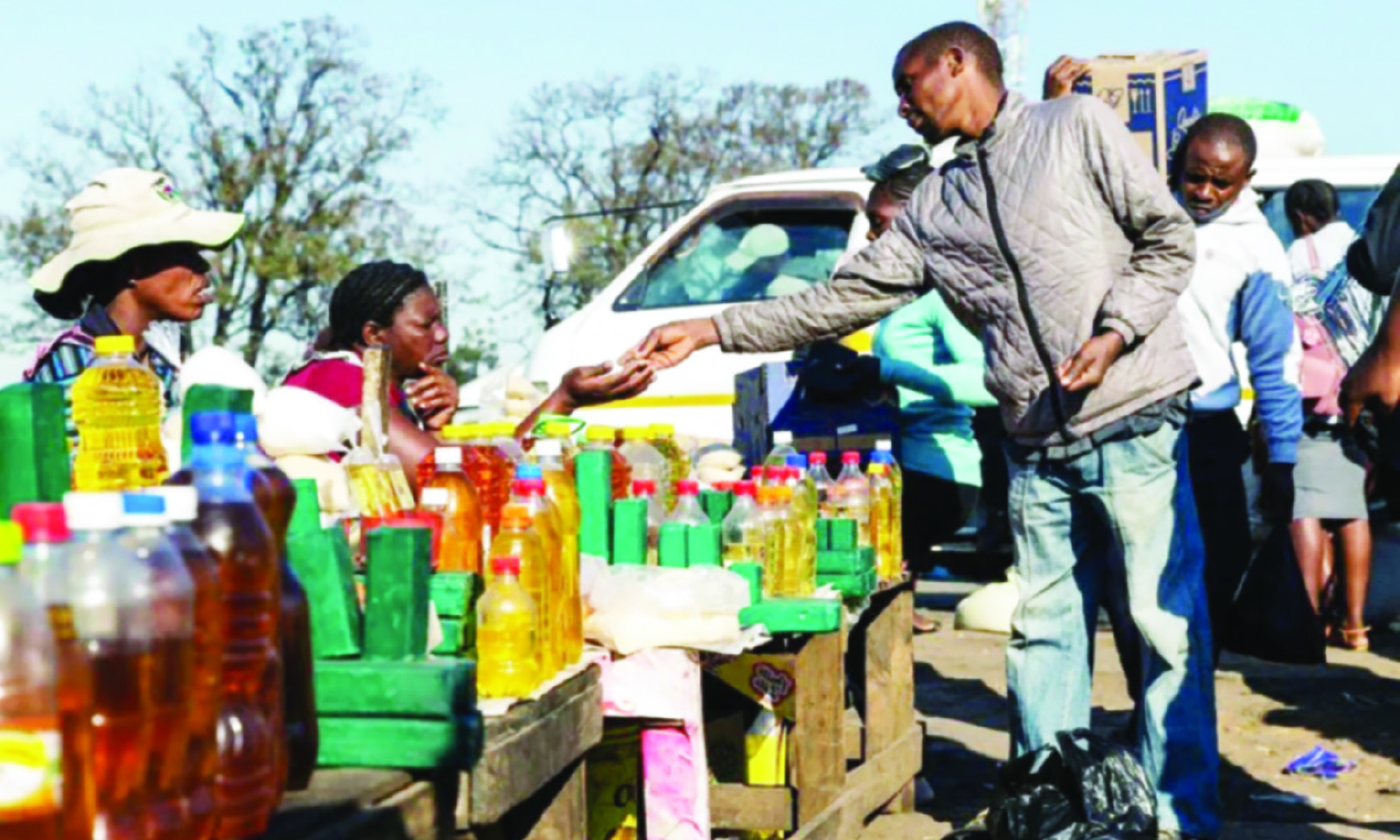
Ivan Zhakata
Herald Correspondent
GOVERNMENT has raised concern over the growing complexity of Harare’s informal markets warning that illicit activities, including drug and substance abuse, were increasingly becoming intertwined with informalised trading, even as the sector remains a key pillar of the city’s economy.
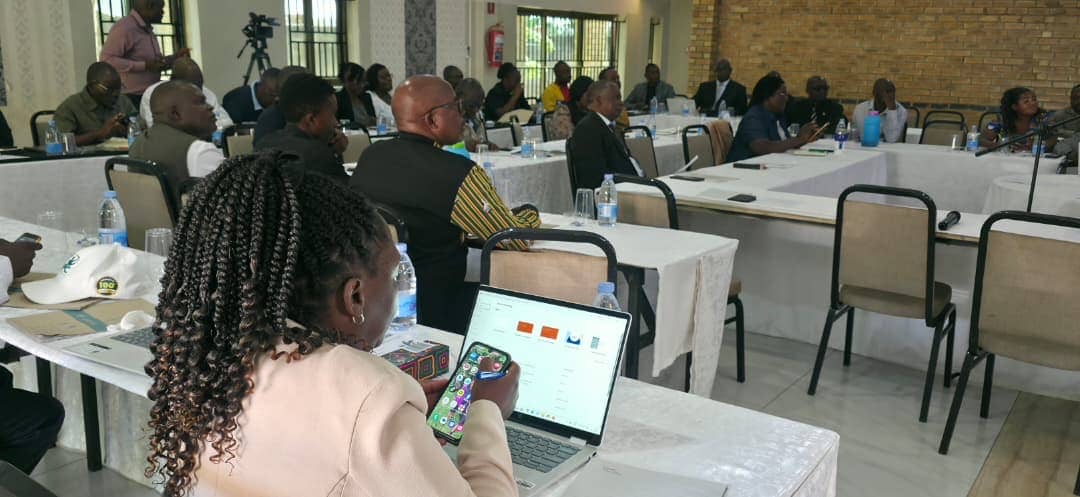
Speaking at the African Cities Research Consortium (ACRC) Harare Urban Markets Indaba today, Harare Metropolitan Province Secretary for Provincial Affairs and Devolution Dr Shingirayi Mushamba said there was need for deeper understanding of visible and hidden forces shaping urban markets.
He said Harare, which contributes about 25 percent of Zimbabwe’s Gross Domestic Product (GDP), was a major economic hub whose markets required closer attention from policymakers, researchers and regulators.
“We need to understand these markets from the physical structures, from the people who are participating in them, from the buying power and the physical location of the markets,” said Dr Mushamba.
“But from the State’s point of view, I would like you to think very deeply about the underworld market that often underpins or is associated with the visible market.”
Dr Mushamba said drug and substance abuse had become a major concern in Harare due to the city’s relatively high purchasing power.
“As a nation and as a metropolitan province, we have a serious challenge with drug and substance abuse. Harare’s strong US dollar buying power makes it a significant market at regional level,” he said.
Dr Mushamba said the city was increasingly operating as a 24-hour economy creating fresh challenges for local authorities and law enforcement agencies.
“We have an economy that wants to perform full throttle, 24 hours a day, but are our water and sanitation facilities geared for that? These are some of the issues that must be addressed,” he said.
Dr Mushamba also pointed to the emergence of alternative trading systems, including car boot markets, saying authorities needed to understand how such developments were reshaping urban commerce.
Acting Harare Mayor Councillor George Mujajati said the informal sector and small-to-medium enterprises (SMEs) had become the backbone of the city’s economy.
“The SMEs sector is at the core and centre of the economy of Harare. Eighty percent of households in Harare are dependent on SMEs and the informal sector for their livelihoods,” he said.
Cllr Mujajati said the sector had become the largest source of employment in the city and was contributing significantly to economic activity.
“When we talk about job creation, SMEs are the major employer. If we manage our SMEs properly, we will create many more jobs both directly and indirectly,” he said.
He said the city was exploring microfinance initiatives to support viable SME projects while improving critical infrastructure such as roads, electricity and designated trading spaces.
Cllr Mujajati also called for investment in home industries such as the one in Glen View 8, which has suffered repeated fire outbreaks resulting in losses for traders.
Development Governance Institute director Dr Kudzai Chatiza said the research initiative sought to generate evidence that would guide interventions aimed at improving market operations and sustainability.
“Our study is trying to understand how those convergences can be amplified and how those divergences can be better understood so that we can mobilise each other as a society,” he said.
The indaba brought together Government officials, local authorities, researchers, development partners and traders to discuss strategies for strengthening urban markets and improving livelihoods in Harare.