


 tawandamusarurwa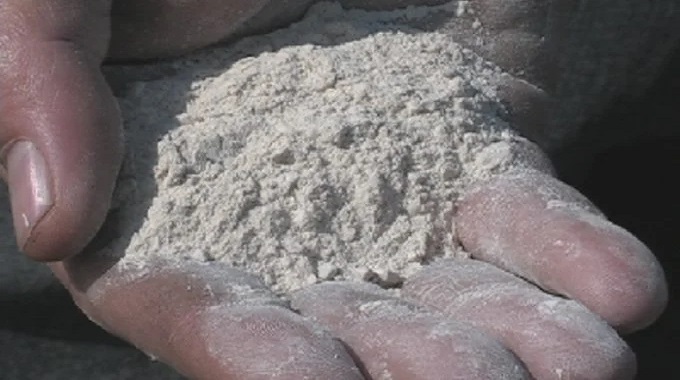
Michael Tome
Business Reporter
The GOVERNMENT expects to cut lime imports by 30 percent following the recent resuscitation of the G&W Industrial Minerals agricultural lime plant in Rushinga, Mashonaland Central, by the Industrial Development Corporation of Zimbabwe (IDCZ), a development that will benefit farmers and promote rural industrialisation.
The plant, which was refurbished at a cost of US$1,4 million, is expected to produce 100 000 tonnes of the commodity per annum, against national demand that presently stands at 250 000 tonnes.
Plans to establish a hydrated lime plant, expected to help in the manufacture of the critical water treatment chemical, are also in the pipeline.
Among other items, it will also help produce micronised products that include feldspar, silica, mica, talc, kaolin and barytes from limestone.
In 2021, Zambia accounted for 76 percent (US$618 000) of hydrated lime imports into the country, followed by South Africa (23 percent), with China supplying the remainder.
The resuscitation of the plant in Rushinga is in tandem with President Mnangagwa’s rural industrialisation drive, which seeks to prop up startups and promote industrial activity in rural areas.
IDCZ acting general manager Mr Edward Tome said the operationalisation of the agricultural lime plant in Rushinga is aimed at ensuring sustainable exploitation, beneficiation and value addition of the limestone resource in the area.
“The refurbished mill produces about 100 000 tonnes per annum.
The target is to meet the national demand from 2023 onwards after installation of another limestone milling plant with a capacity of 300 000 tonnes per annum. Lime is strategic in the National Development Strategy 1 (NDS1) agenda on food security and nutrition,” he said.
“We mine and process the limestone products in Rushinga for Zimbabwe and the region. Rushinga has easy access to the great north region of Africa.
“Thus, we have managed to decentralise industrialisation and enabled other downstream industries to grow along the limestone value chain.”
Agricultural lime plays a critical role in maintaining soil pH (alkalinity or acidity of the soil), enhancing nutrient availability, improving fertiliser efficiency, promoting microbial activity, ensuring good water penetration and drainage, and supporting sustainable agricultural practices.
The increase in the supply of lime will translate into increased production of affordable agricultural lime for farmers, thus improving yields through soil conditioning.
Added Mr Tome: “As the IDCZ, we remain resolute towards promoting import substitution and rural industrialisation by using the local resource endowments. These are some of the key fundamentals for unlocking the anticipated growth trajectory targeted under the NDS1.
“Once we are able to meet local demand, this will undoubtedly translate into sustainable food supply chains and affordability to the final consumer.”
Agricultural Advisory and Rural Development Services (AARDS) chief director Professor Obert Jiri said lime was central to agriculture.
“Local lime production will allow farmers to realise increased crop production and productivity, ultimately leading to food security.
“Its importance in ensuring productive and healthy crop production in our country cannot be underestimated,” said Prof Jiri.
IDCZ, as a State agency, identifies and develops industrial project opportunities into commercially viable ventures — in partnership with local, regional and international investors, as well as technology and market access partners.



 Bongani Ndlovu
 Online Reporter