admin
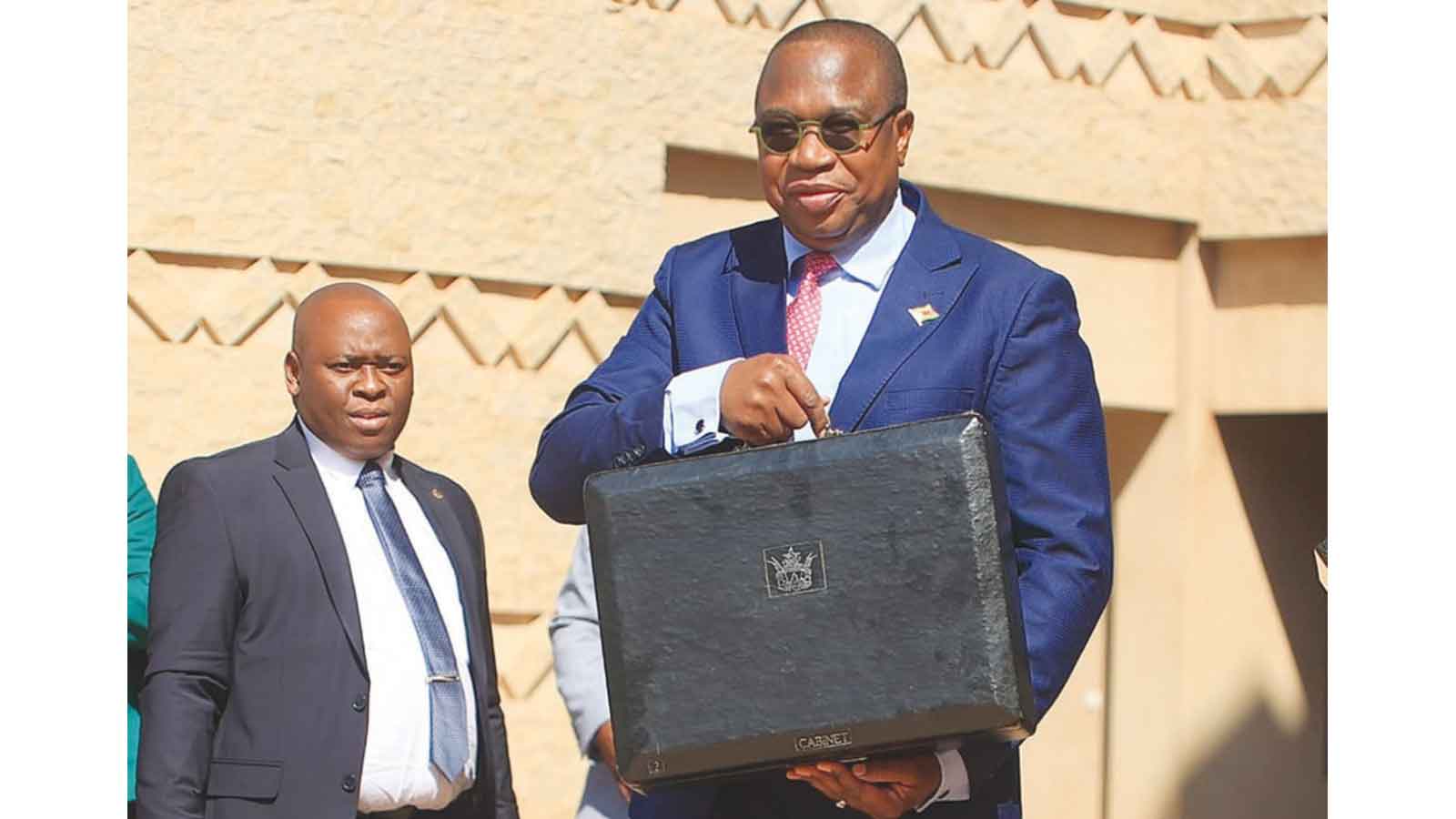
adminworthiness of individuals and companies, Finance Minister Tendai Biti has said.
“One of the main challenges in the early stages of a business is access to credit, as many new and prospective business owners simply do not have sufficient credit record to verify their creditworthiness,” he said.
“Government will, therefore, engage financial institutions with a view to establish a Credit Rating Bureau, whose objective is to build a data bank of credit worthiness of individuals and firms.”
The bureau would provide lending institutions with important information on individuals and firms, which will facilitate access to credit while speeding up credit applications and approval processes.
While financial institutions would be dominant in utilising the credit risk data, it would also benefit other lending firms to have access of credit information to make informed risk management decisions.
Bankers’ Association Zimbabwe president Mr John Mushayavanhu said they were working on the establishment of the bureau.
“It is something that we want to establish and BAZ will be spearheading its formation,” he said in an interview.
Most companies and individuals have been taking advantage of the absence of a credit rating bureau to borrow money from institutions, quite often triggering a spate of defaults.
With the return of credit facilities by household goods and clothing retailers, there has been a growing use of credit by individuals to purchase goods. This has led to over-indebtedness among consumers.
There are cases in which customers buy goods on credit, using the same payslip. As a result, some them fail to meet the repayment schedules.
An analyst with a local bank said a credit bureau would allow lenders to assess a candidate’s total indebtedness and calculate a borrower’s capacity to honour their debt.
He said the credit bureau would provide for greater information sharing, allowing lenders to review how much and at what rate they ought to lend to borrowers.
“Multi-borrowing will be reduced or managed, in the sense that all borrowers will be required to declare debts they have elsewhere,” said the analyst.
Companies can be rated in terms of their creditworthiness
“It will be easy to see which companies or individuals are heavily indebted. With the credit bureaus, it would be easier to minimise your exposure to such companies while risk management would become easier due to availability of information,” he said.
But the exercise might not work because most banks would be reluctant to share credit information with their competitors.
In his address to the 41st Institute of Bankers of Zimbabwe winter school in Nyanga a few months ago, Barclays Bank Zimbabwe managing director Mr George Guvamatanga warned of a banking
sector crisis because the banks had gone into a “lending overdrive”.
He said without a credit rating bureau, the banks ran the risk of giving loans to people and organisations buckling under credit from other lenders.
Last year, the Reserve Bank of Zimbabwe gave the green light for the establishment of the national credit to augment credit risk management.


 Online Reporter