Online Reporter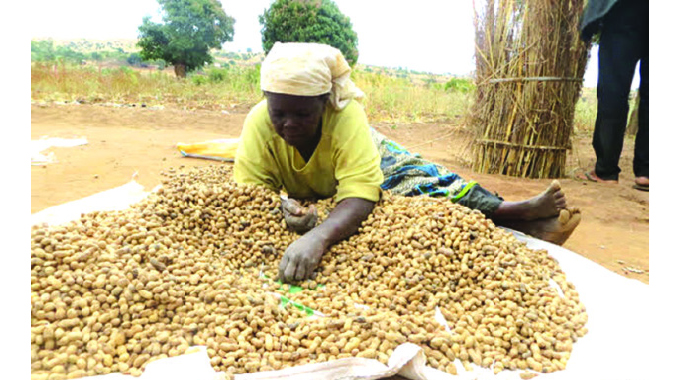
Agriculture News Editor
Groundnut production in Zimbabwe recorded a 129 percent increase during the 2024/25 summer cropping season, with Manicaland Province leading the way.
The agricultural landscape in Zimbabwe is seeing significant improvements, particularly in groundnut production, with a call for sustainable practices and better irrigation infrastructure to support future growth.
According to the Crop, Livestock and Fisheries Assessment (CLAFA) 2 report, national groundnut production increased from 36 977 tonnes in the 2023/24 season to 84 565 tonnes this season.
Zimbabwe requires 104 850 tonnes of groundnuts annually.
The report indicates that Manicaland recorded a 191 percent rise in groundnut production, jumping from 7 042 tonnes last season to 20 513 tonnes this season.
Mashonaland East is expecting 16 234 tonnes from the 11 287 tonnes the previous season while Midlands is in third place expecting 15 779 tonnes, up from 6 258 tonnes in the 2023/24 season.
Masvingo Province is expected to register a collective yield of 11 999 tonnes compared to 12 492 tonnes last season.
In Mashonaland Central Province, a total harvest of 9 623 tonnes of groundnuts are expected. This is an increase of 31 percent from the 7 324 tonnes produced last season.
Mashonaland West Province registered a decline of 26 percent from 8 652 tonnes last season to 6 429 tonnes this year.
Matabeleland South Province is expecting 3 184 tonnes, up from the 852 tonnes produced last season. This is an increase of 274 percent.
Matabeleland North Province also recorded an increase of 943 percent from 77 tonnes last season to 803 tonnes this year.
The CLAFA report states that overall, national food crop production has surged by 290 percent compared to last season.
Farmers produced 843 761 tonnes of food crops in the previous season, while this year, 3 292 172 tonnes are expected.
The report emphasises the need for agro-ecological tailoring of crops and the importance of soil health and fertility management, which are critical components of the Pfumvudza/Intwasa conservation farming practice.
“Pfumvudza/Intwasa must be a universal practice and should not only be undertaken to receive Presidential inputs or social welfare support,” read the report.
The report also highlighted the lag in irrigation development, with 217 000 functional irrigations against a target of 496 000 hectares.
“There is need to further incentivise the private sector to invest in this important subsector, so the target of 50 000 ha annually can be achieved.
“Of this 496 000ha, some 350 000 ha will be dedicated to summer cereal production,” said the CLAFA report.