Online Reporter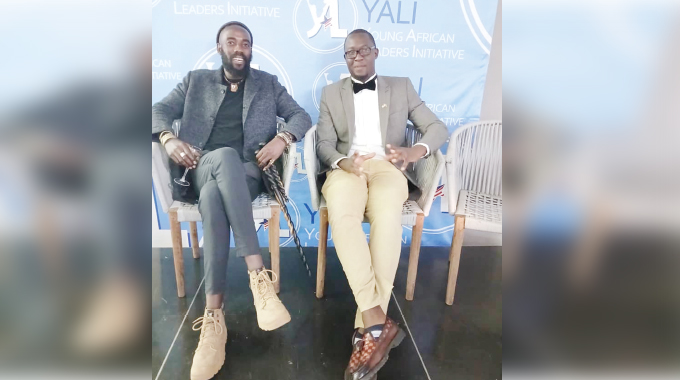
Mbulelo Mpofu, Zimpapers Arts and Entertainment Hub
ALLINGTON Ndlovu, director of the Amagugu International Heritage Centre (AIHC) and a certified 2025 Mandela Washington Fellow, has shared how his journey from Matobo to Virginia has not only deepened his understanding of heritage and leadership, but also ignited a passion for cultural preservation and community empowerment in Zimbabwe.
The fellowship, which connects African leaders with opportunities for academic and professional growth, took him to the Presidential Precinct — a hub of leadership and history in the United States.
There, he engaged with two of America’s most respected academic institutions, the University of Virginia and William & Mary, while visiting historically significant sites such as Monticello and James Madison’s Montpelier.
“Being selected to join the Mandela Washington Fellowship and study at the Presidential Precinct was an incredible honour and a unique privilege. The Precinct is not just a space; it is a powerhouse of leadership, history and democratic values,” Ndlovu said in an interview.
At the Precinct, Ndlovu studied Civic Engagement under the mentorship of heritage expert Gina Haney. The programme included rigorous academic sessions focused on strategic leadership, ethical decision-making and effective communication.
He highlighted how accomplished facilitators brought creativity into the learning space through innovative teaching methods, including game theory and role-play, making complex concepts both engaging and applicable.
Virginia, known as the “Mother of American Presidents”, offered Ndlovu unique insights into how heritage shapes a people’s collective identity.
“As we moved from one historic site to another, I was struck by how passionately and proudly the United States preserves and documents its presidential legacy. At every turn, I witnessed how heritage is used not just to remember the past, but to shape a shared national future — something that resonates deeply with our work at AIHC.”
While based at the University of Virginia, Ndlovu also visited Virginia State University, one of the oldest historically Black colleges and universities in the US — a visit that left a lasting impact.
“It was a powerful reminder of the struggles and triumphs of African Americans in education, a theme that resonates with our own histories of resilience here in Zimbabwe.”
Another significant moment came during a visit to Washington, DC, where he toured iconic institutions such as the Smithsonian National Museum of African American History and Culture and the Library of Congress.
The connections Ndlovu formed with museum professionals, he said, were not only inspiring but instructive, offering new ideas for enhancing storytelling at AIHC, which has since become a key focus of his work.
“The African American Museum, in particular, was a powerful testament to the importance of acknowledging painful histories while celebrating endurance, creativity and culture,” he said.
Throughout this journey, Ndlovu was mentored by leading experts such as Gina Haney and Peter Hedlund, senior director of Programmes and Education at Virginia Humanities. Their guidance, he said, helped him rethink the operations and long-term vision of AIHC.
“They (Peter and Gina) challenged me to think about sustainability, partnerships and innovation — not just as buzzwords, but as strategies deeply rooted in values.”
Now back in Zimbabwe, Ndlovu is more convinced than ever of the importance of his work at AIHC.
“This fellowship reminded me that heritage is not static. It’s alive, evolving and deeply political.”
His vision now includes bridging generations, amplifying local knowledge systems, and positioning culture as a driver for justice, identity and empowerment. Upon completing his fellowship, Ndlovu received a certificate from both the Presidential Precinct and the US Department of State.
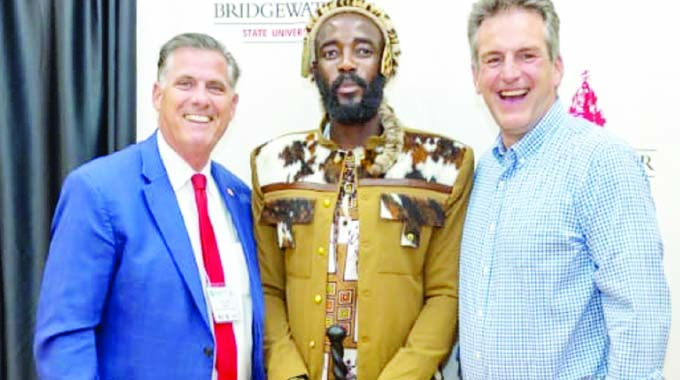
Ndlovu’s experience is mirrored by that of Chief Mbusi Dakamela, another certified 2025 Mandela Washington Fellow. A traditional leader from the Nkayi District in Matabeleland North, Chief Dakamela also completed his fellowship under the Young African Leaders Initiative (YALI).
“After spending six intensive weeks in Boston, Massachusetts, I feel invigorated and ready to implement powerful ideas that can drive change back home,” Chief Dakamela said.
His training focused on public management, innovation and international collaboration. The experience, he said, opened his eyes to the value of cross-border partnerships and the need to empower young people with fresh ideas.
The cultural leader emphasised the importance of identifying talent and partnering with others to bring ideas to life.
“I foresee ideas coming through those collaborations and getting funded,” Chief Dakamela said.
He also offered a firm critique of the increasing trend of African youth migrating abroad.
“We’re migrating too much to Europe and America. But Africa needs us more than those places do. Let’s stay. Let’s build,” he urged.
Both Ndlovu and Chief Dakamela share a vision of investing in leadership and capacity-building at home in Africa. Chief Dakamela believes that development is not just the work of elected officials, but must include traditional leaders and grassroots change-makers.
“We need to fund ideas, even if they sound crazy. That’s how innovation starts,” Chief Dakamela said.
His community development initiative, Imiklomelo KaDakamela, launched in 2022, is already bearing fruit. The programme offers housing, scholarships and empowerment projects — a clear sign of his dedication to grassroots leadership.
“Support grassroots leadership. Fund innovation. Collaborate across borders. Build Africa from within,” he summarised.
The Mandela Washington Fellowship, launched in 2014, has empowered more than 7 000 emerging African leaders, fostering a dynamic network of individuals committed to shaping policy, development and social change in their home countries. – Follow on X @MbuleloMpofu