Online Reporter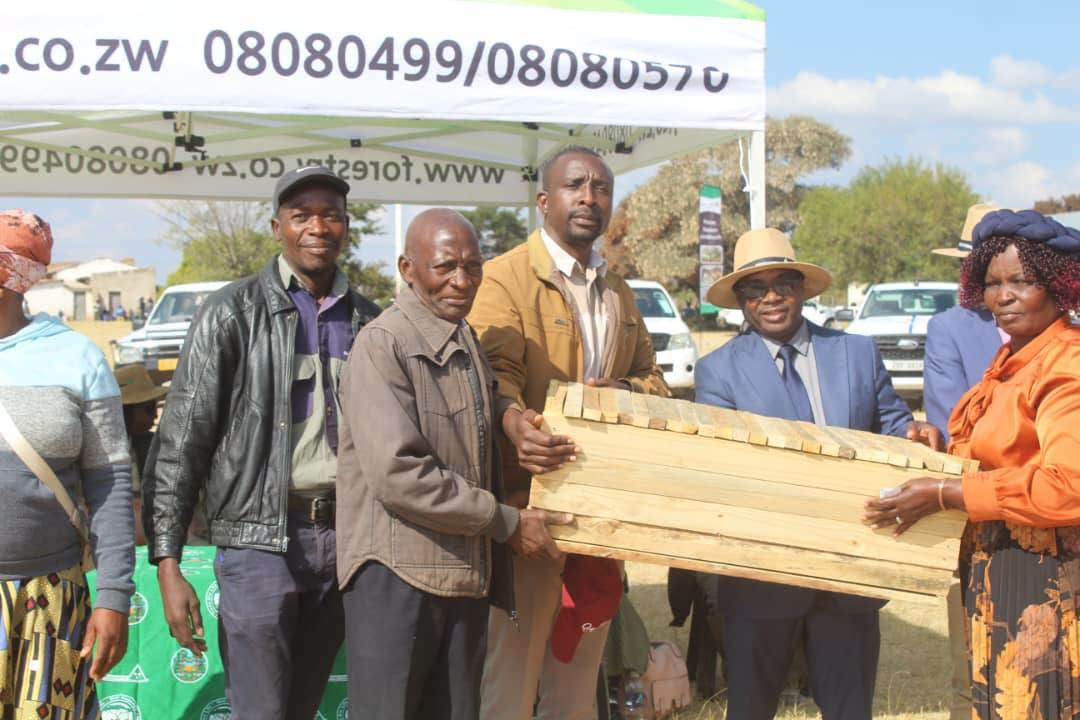
Godwin Gumbo, [email protected]
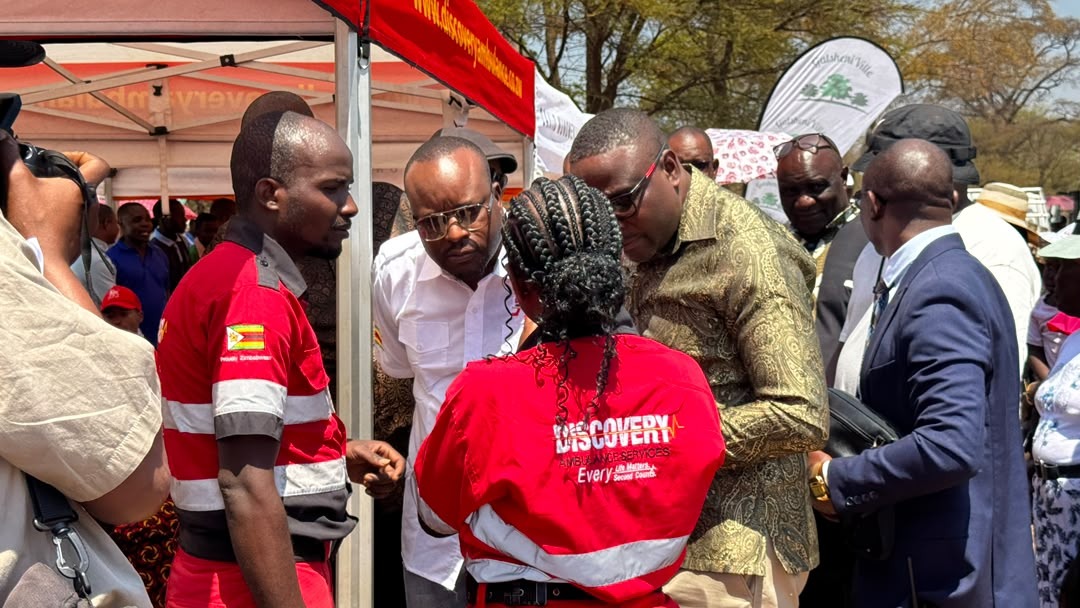
THE usually quiet Gwambe Ward 2 showgrounds were a hive of activity last Friday as farmers, schoolchildren, government officials and development partners gathered for the Ward Agricultural Show.
Held under the theme, “Cultivating Resilience in Changing Times,” the event was more than just an exhibition of crops and livestock. It was a celebration of hard work, innovation and the determination of local farmers to adapt to the growing challenges posed by climate change.
From the early hours of the morning, farmers began arriving with the fruits of their labour. Stands were filled with impressive displays of maize, sorghum, millet and fresh vegetables, reflecting a productive farming season. Livestock farmers proudly showcased healthy cattle, goats and poultry, while learners from nearby schools exhibited garden projects that demonstrated the growing interest in agriculture among young people.

The show brought together people from all walks of life, including traditional leaders, government officials, agricultural extension officers, development partners and community members. Despite their different backgrounds, they shared a common goal — strengthening food security and building communities that can withstand the effects of a changing climate.
Leading the proceedings was Ward 2 Councillor, Ambassador Mabed Ngulani, who described agricultural shows as important platforms for learning and exchange.
He said such gatherings allow farmers to showcase their achievements, learn from one another and gain exposure to new farming methods and technologies.
“When farmers meet, knowledge moves. When knowledge moves, production grows,” he said.
Clr Ngulani said Government support programmes were already making a positive difference in the ward, with many farmers now having improved access to machinery, fertilisers and technical support from agricultural extension officers.
According to him, these interventions are helping to boost productivity while reducing the burden of labour-intensive farming methods.
The importance of preparing for future climate challenges was also highlighted during the event.
District Agricultural Extension Officer, Mr Jonathan Silas Makaranga, commended farmers for their commitment and hard work, describing the show as evidence that Bulilima District is taking food security seriously.
He noted that during the last summer cropping season, Bulilima received approximately 1,000 millimetres of rainfall, significantly higher than the district’s average of about 450 millimetres.
While the abundant rainfall contributed to good crop performance in many areas, it was not without challenges.
“The good rains helped many crops to grow well although in some instances too much water also caused problems. Some fields suffered from waterlogging and excess moisture,” he said.
Mr Makaranga urged farmers not to become complacent because weather patterns can change quickly.
He encouraged them to begin preparing for the next cropping season well in advance, warning that forecasts were pointing to a possible El Niño weather pattern, which is often associated with dry spells and erratic rainfall.
To reduce the risks associated with unpredictable weather, he encouraged farmers to adopt Intwasa climate-proof farming methods. These include early planting, water and soil conservation techniques, increased production of small grains and proper crop rotation.
“We must farm with the weather, not against it,” he said.
The message of climate resilience was echoed by the Minister of Environment, Climate and Wildlife, Dr Evelyn Ndlovu, who was represented by Forestry Commission Director-General Mr George Manyumwa.
In her speech, Dr Ndlovu said agricultural shows play a critical role in driving innovation, learning and sustainable development in rural communities.
She said such events give farmers an opportunity to see practical solutions, exchange experiences and take new ideas back to their own farms.
The minister described the Gwambe Ward Agricultural Show as a strong example of how communities can take the lead in improving their own livelihoods.
“This is community participation in action. When communities lead, food security and sustainable livelihoods grow from the ground up,” said Dr Ndlovu.
She added that Government agricultural programmes are closely linked to national development objectives aimed at ensuring that every district is able to feed its population while protecting natural resources and the environment.
As part of efforts to empower communities and encourage sustainable income-generating projects, the minister donated 20 beehives. Some of the beehives were awarded to outstanding exhibitors, while others will be used to support new beekeeping initiatives within the ward.
One of the farmers who attracted significant attention during the show was Mr Alfred Setheli of Mabungwe Village.
A retired teacher who has turned his attention to full-time farming, Mr Setheli emerged as one of the event’s top exhibitors. His stand impressed judges and visitors alike, particularly for the quality of his crops and his excellent storage practices.
Mr Setheli said Government support had played a key role in improving his farming operations.
“Tractors and planters cut down hard labour. I can plant more land in less time. My yields are better, and my back is not as sore,” said Mr Sitheli.
His success story resonated with many younger farmers who visited his stand, proving that modern farming methods and the effective use of available support can lead to improved productivity and better incomes.
The show also recognised other outstanding farmers whose efforts have contributed to agricultural development in the ward. Winners received a variety of prizes, including household utensils, beehives, hoes and axes.
While the prizes themselves were appreciated, they also symbolised recognition of the dedication, innovation and perseverance demonstrated by local farmers throughout the season.
As climate change continues to affect farming communities across the country, events such as the Gwambe Ward Agricultural Show are becoming increasingly important. They provide farmers with opportunities to learn new skills, share experiences and develop practical solutions to the challenges they face.
For Bulilima, where weather conditions can vary dramatically from one season to the next, the message from the show was clear: resilience is not built overnight. It is built through knowledge sharing, community cooperation, adoption of climate-smart farming practices and continued support from Government and development partners.
And judging by the enthusiasm displayed at Gwambe Ward 2, local farmers are determined to rise to that challenge and secure a more food-secure future for their families and communities.