Online Reporter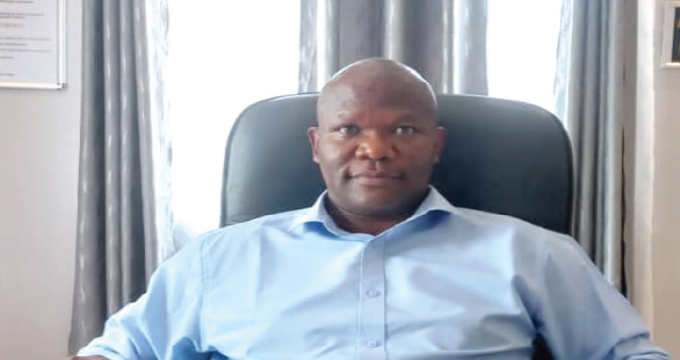
Danisa Masuku, [email protected]
GWANDA Municipality, which is battling a crippling ZWG200 million debt, is now banking on the reintroduction of prepaid water meters as a key measure to restore financial stability and improve service delivery.
City mayor Councillor Thulani Moyo told Zimpapers yesterday that the local authority is struggling to recover outstanding payments, a situation that continues to weaken its capacity to deliver essential services.
“We have started the process of recovering ZWG200 million through legal channels, but we don’t believe this is a viable long-term solution, and it’s not encouraged by Government. We once used prepaid water meters from 2013 until 2019, but we stopped because those meters were tampered with and some residents managed to escape paying for water they had consumed.
“In our budget planning, we agreed to reintroduce prepaid water meters as this is the most effective method of revenue collection. The company, which was awarded the tender conducted a pilot project, and we did due diligence in verifying the durability and functionality of their meters and found that they are durable and effective. Residents are in support of the move as they will pay only for what they consume,” he said.
Due to weak revenue inflows, the municipality is facing serious service delivery challenges and is at present in arrears on workers’ salaries.
“Because of poor cash inflows, we are failing to provide quality service to our residents and we are owing our workers three months’ salary. We have also failed to meet the minimum service delivery standards set by President Mnangagwa. The municipality is now awaiting the Ministry of Local Government to give the go-ahead to the company, which won the tender through the Procurement Regulatory Authority of Zimbabwe (Praz) to start rolling out the prepaid water meter project.”
The mayor said the company awarded the tender is ready to begin the rollout once approval is granted.
“The company has indicated it is ready for the rollout and they have already bought 5 000 metres for the first phase, along with other materials. We had hoped the ministry would have granted approval by now. We are eager to begin implementing this solution for the benefit of Gwanda residents,” he said.
Ward 3 councillor, Alderman Knowledge Ndlovu, said residents are largely supportive of the initiative, drawing parallels with the prepaid electricity system introduced by Zesa.
“If you look at Zesa, the introduction of prepaid meters led to improved debt recovery. People are now more conscious of their electricity usage because they pay upfront. We believe prepaid water meters will also promote responsible consumption and reduce wastage,” said Alderman Ndlovu.
He added that the municipality is engaging the Ministry of Local Government to expedite the approval process.
“We are not certain why the programme has been put on hold, but the delay is affecting our ability to collect the mounting debt. We want this matter finalised urgently so that implementation can begin,” said Alderman Ndlovu.
Gwanda Progressive Residents Association chairperson Mr Methusi Moyo said most residents support the move, mainly due to widespread dissatisfaction with the current billing system.
“While I don’t have exact figures, consultations with residents show that the majority are in favour of prepaid water meters. According to our estimates, only about an eighth of households are paying their bills.
“In some cases, landlords collect rent but fail to settle utility bills because they don’t reside on the properties, which is unfair to other ratepayers.”
Authorities say the system, which is already being introduced in cities such as Harare, allows consumers to pay only for what they use, while enabling municipalities to collect revenue upfront and reduce disputes associated with estimated billing.