Online Reporter
Sukulwenkosi Dube-Matutu [email protected]
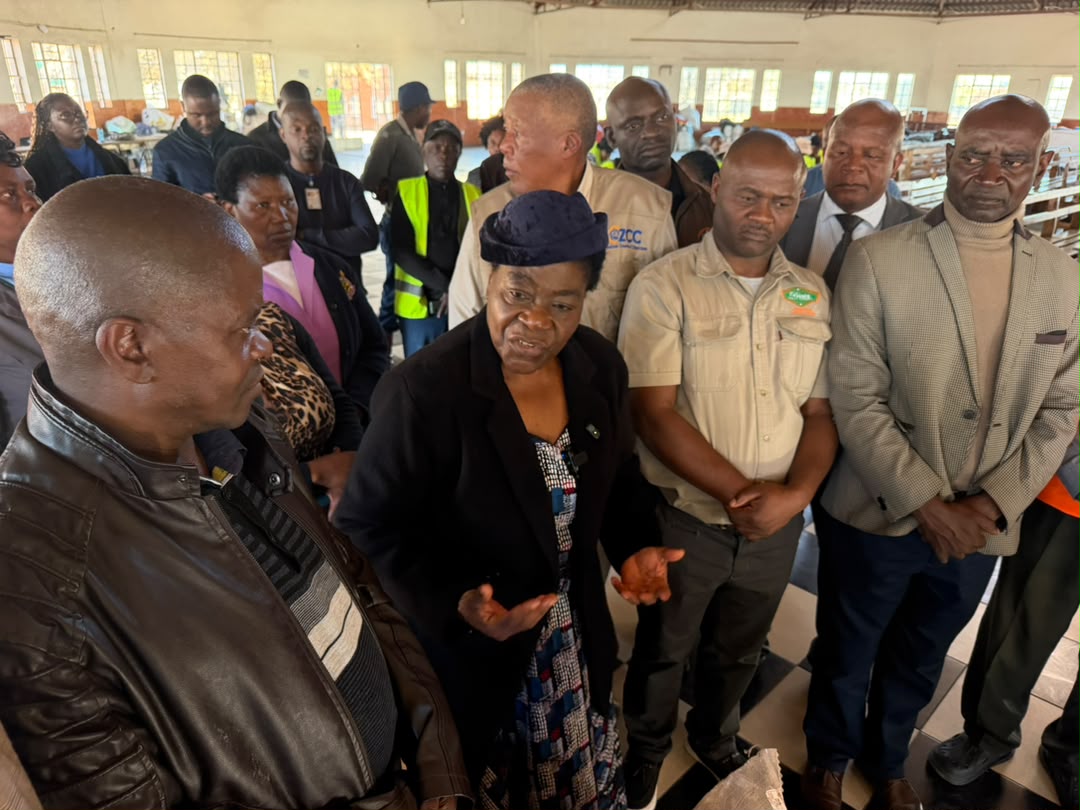
FOR 70-year-old Ms Josephine Nkala of Nyandeni Village in Gwanda District, service to her community is not just a duty, but a lifelong calling that has seen her dedicate more than two decades to improving health outcomes in her area.
At an age when many would have retired from active work, Ms Nkala continues to walk long distances across her village, providing essential health services and education as a village health worker, a role she has faithfully carried out for the past 23 years.
Operating within a 10km radius and reporting to Stanmore Clinic, Ms Nkala is among the many frontline community health workers who form the backbone of Zimbabwe’s rural healthcare system, bridging the gap between formal health institutions and hard-to-reach communities.
She said her journey into community health work was driven by the realisation that lack of information and limited access to health facilities were major barriers to the adoption of proper health practices.
“As village health workers, we are responsible for people’s health at the community level, that is, from children under five, pregnant women and lactating mothers to general household hygiene. We are also the voice of the Ministry of Health as we spread crucial health messages across the community,” said Ms Nkala.
Over the years, Ms Nkala has undergone continuous training to enhance her skills, including initial training in 2003 and a refresher course in 2010, which helped her adapt to evolving health demands.
Her work involves monitoring children under five to ensure they follow vaccination and immunisation schedules, conducting growth monitoring through weighing and promoting hygiene practices such as proper sanitation, waste disposal and handwashing at household level.
“We also inform communities about outreach programmes, immunisation campaigns and disease outbreaks that people should be aware of,” she said.
In recent years, her role has expanded beyond maternal and child health to include a wider, integrated approach covering all age groups.
“We now focus on everyone. We test for non-communicable diseases such as blood pressure and diabetes. During outbreaks like Covid-19, we played a big role in educating communities and helping to contain the spread,” said Ms Nkala. She recalled how village health workers were also at the forefront during the height of the HIV and Aids pandemic, helping to raise awareness and support affected families.
Despite her passion and commitment, Ms Nkala said limited resources continue to be a major challenge.
“At the moment, we are operating with limited supplies such as medication and other tools. It is painful when people come to us for help and we cannot assist as we used to,” she said.
Ms Nkala, however, acknowledged Government efforts to support village health workers, including training programmes and initiatives aimed at improving mobility and service delivery.
Gwanda District nursing officer, Mrs Filter Sibanda, said the district has 350 village health workers, each responsible for about 100 households, highlighting their critical role in the healthcare delivery system.
“Village health workers are a vital link between health institutions and communities. They carry information both ways, treat minor ailments and conduct disease surveillance for conditions such as diarrhoea and measles,” she said.
“They also follow up on patients with TB, HIV and chronic illnesses and refer cases to health facilities, ensuring early diagnosis and treatment.”
Across Zimbabwe, village health workers are increasingly recognised as key players in achieving universal health coverage, particularly in rural and underserved areas where access to healthcare remains limited.
The Government has stepped up efforts to capacitate these frontline workers, including the distribution of bicycles to improve mobility in remote communities where long distances often delay access to care.
The initiative forms part of broader health sector reforms under the National Development Strategy 2 (NDS2), which prioritises improved maternal health, disease prevention and strengthening of primary healthcare systems.
Village health workers are also instrumental in delivering community-based health education, supporting HIV and TB treatment adherence, promoting sanitation and driving early uptake of medical services, effectively reaching the “last mile” in healthcare delivery.
For Ms Nkala, the work is far from over.
“I have come to realise that we are an integral part of the country’s health system. I will continue for as long as I am able because I want to help my community live healthier lives,” she said.
—@DubeMatutu