admin
admin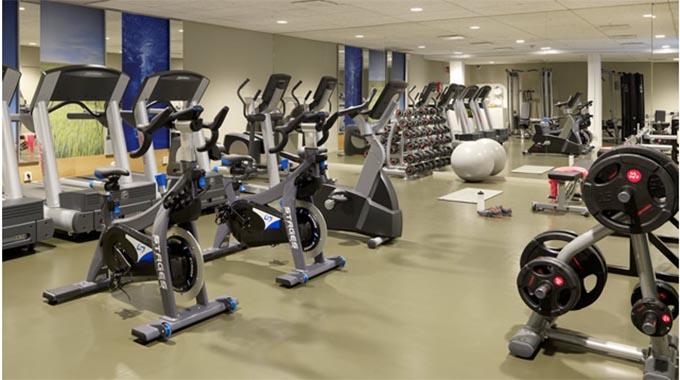
Coach Ngoni (Foreign Guy)
Fitness Correspondent
What to do when its your first time at the gym?
How do you handle the pain, and how do you recover?
To determine which exercises to do, consider the following steps:
Define your goals
Weight loss, muscle gain, increased endurance, improved flexibility, enhanced athletic performance
Assess your fitness level
Beginner, intermediate, advanced
Identify your needs
Injury rehabilitation, posture correction
Core strengthening, balance improvement
Choose exercises
Upper body
Push-ups, pull-ups, dumbbell rows
Shoulder press, bicep curls
Lower body
Squats, lunges, leg press, calf raises
Dead lifts,
Core
Planks, Russian twists, leg raises
Bicycle crunches, pall-of press
Cardio
Running, swimming, cycling, high-intensity interval training (HIIT), dancing
Consult Resources
Fitness professionals (trainers, coaches)
Online workout plans (eg Nike Training
Club)
Mobile apps (eg MyFitnessPal)
Fitness books and magazines
YouTube fitness channels
Consider your lifestyle
Schedule (time available for exercise)
Equipment availability (home, gym, or bodyweight)
Health concerns (doctor’s recommendations)
Sample workout routines
Beginner
Brisk walking (30 minutes, 3 times a week)
Bodyweight exercises (push-ups, squats,
lunges)
Yoga or pilates (2 times a week)
Intermediate
Weightlifting (3 times a week)
HIIT workouts (2 times a week)
Cardio exercises (jogging, cycling)
Advanced
Strength training (4 times a week)
Plyometric exercises (jump squats, box
jumps)
Endurance training (long-distance running, swimming)
Remember to
Start slowly and progress gradually.
Warm up and cool down properly.
Listen to your body and rest when needed.
Consult a healthcare professional before beginning any new exercise programme.
Recovery is essential to allow your body to repair and adapt to the physical demands of exercise.
Here’s a comprehensive recovery plan
Immediate post-workout recovery (0-60 minutes)
Stretching: Focus on major muscle groups.
Foam rolling or self-myofascial release.
Hydrate: Drink water or sports drinks.
Refuel: Consume protein and complex carbohydrates.
Rest: Take a 10-15 minute break.
Short-term recovery (1-24 hours)
Sleep: Aim for 7-9 hours.
Nutrition: Balanced meals with protein, complex carbohydrates, and healthy fats.
Relaxation: Engage in calming activities (eg meditation, reading).
Gentle exercise: Yoga, walking, or light cardio.
Compression garments or wraps
Long-term recovery (24-72 hours)
Active recovery days: Light exercise or cross-training.
Massage therapy, contrast showers (hot-cold), epsom salt baths, proper nutrition and hydration.
Recovery techniques
Foam rolling, Self-myofascial release
Massage, Acupuncture
Electrical stimulation (eg TENS)
Cryotherapy, Heat therapy (eg sauna)
Cold therapy (e.g., ice baths)
Nutrition for Recovery
Protein shakes or bars
Complex carbohydrates (eg whole grains)
Healthy fats (eg nuts, seeds)
Antioxidants (eg berries, leafy greens)
Electrolyte-rich foods (eg bananas, dates)
Supplements for recovery
Protein powder, creatine,
Branched-chain amino acids (BCAAs)
Glutamine, omega-3 fatty acids
Listen to your body
Rest when needed.
Adjust intensity and volume.
Prioritise sleep and nutrition.
Seek professional help if experiencing persistent pain or fatigue.
The time it takes to get used to the gym varies depending on several factors, including:
Prior fitness experience
Frequency of visits
Individual comfort level
Gym environment and layout
Here’s a general outline:
Initial adjustment phase (1-2 weeks)
Familiarise yourself with the gym’s layout, equipment, and rules.
Get comfortable with the atmosphere and other gym-goers.
Start with short sessions (30-45 minutes) and gradually increase duration.
Building confidence phase (2-4 weeks)
Develop a routine and stick to it.
Learn proper form and technique for exercises.
Begin to recognise familiar faces and feel more at ease.
Comfort zone phase (4-6 weeks)
Feel confident navigating the gym and using equipment.
Develop a sense of belonging and familiarity.
Start to focus on progress and fitness goals.
Long-term habituation phase (6-12 weeks and beyond)
Establish a consistent workout routine.
See noticeable improvements in physical fitness.
Feel motivated to continue and explore new exercises and challenges.
Tips to speed pp the adjustment process:
Schedule regular visits (3-4 times a week).
Find a workout buddy or accountability partner.
Take guided tours or group fitness classes.
Focus on your goals and progress.
Be patient and kind to yourself.
Common milestones:
First month: Feel comfortable with basic equipment and exercises.
2-3 months: Notice improvements in physical fitness and energy levels.
6 months: Develop a consistent workout routine and see significant progress.
1 year: Feel like a seasoned gym-goer and continue to challenge yourself.
Remember, everyone’s journey is unique, and the time it takes to get used to the gym varies.
Invictus Fitness Centre, a state of the art facility, your go to gym, offering a wide range of classes and programmes designed to help you achieve your fitness goals.



 Online Reporter