admin
admin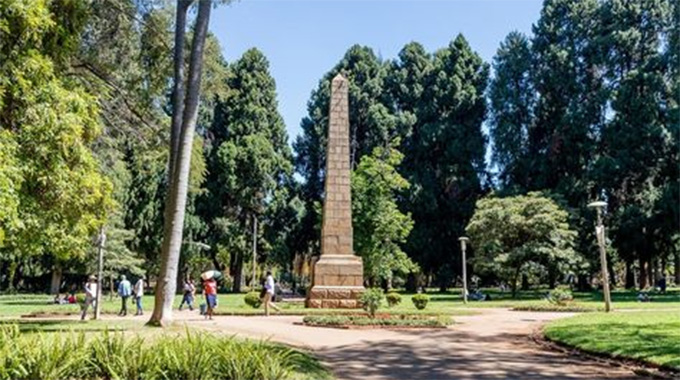
Herald Correspondent
Slowly but surely, a piece of history is being erased.
Over 100 years of memories are being decimated as the once-vibrant Harare Gardens, where families picnicked, children played, and lovers strolled hand-in-hand, has devolved into a deadly trap.
One wrong step can be your last, and the beauty of nature is eclipsed by the lurking threat of violence and death.
Today, this iconic park wears a different face — a face of fear, crime, and shame.
This small, yet densely populated park has become a haven for thugs, thieves, drug abusers, and prostitutes, making it a perilous place to visit, especially after dark.
As the sun dips below the horizon, a sense of unease settles over the grounds.
The laughter of children is replaced by the whispers of thieves, the rustle of leaves by the shuffle of footsteps, and the sweet scent of blooming flowers by the stench of decay.
This is Harare Gardens after dark — a world where the desperate and the depraved roam free, where the rule of law is almost fiction, and where the innocent are preyed upon by the ruthless.
Street kids, orphans, and runaways call Harare Gardens home, surviving on scraps and handouts.
But as night falls, they transform into a different breed — a breed of thieves, muggers, and pickpockets, so does the story go.
They are not just street kids, as many assume.
When night falls, a more sinister crowd emerges.
Some individuals, masquerading as respectable citizens, deceive their families by claiming they are heading out for night duty.
But their true occupation is far more nefarious: they are on the prowl to rob unsuspecting victims, disguised as street kids.
“If you want to get killed, cross here after 6pm,” a City Council worker who requested anonymity said while sprucing the floors in the park. “After dark, it immediately becomes a red zone.”
“If they spot you, all they are after is your wallet, phone, and valuables – anything they can get their hands on.
“They know you will likely have a cellphone, and if they suspect you have money, it becomes even more perilous,’ she warned.
“It’s actually safer to be found with some notes, so if they rob you, they will leave you without inflicting further harm.'”
Another worker recalled a chilling incident in which a woman was stabbed to death by a thief who attempted to snatch her cellphone in Harare Gardens.
“It’s risky walking here at night,’ she said. “Last year, someone lost her life. We woke up to find blood stains and a lifeless body. She had reportedly refused to hand over her phone to the thief.”
The worker also noted that even if someone cries out for help, no one dares to intervene.
“Someone admitted to hearing the woman’s cries, but he was too afraid to act. Only later did he realise that someone had lost their life.'”
A vendor who sells her wares near the Harare Gardens, Ms Ivy Khumalo said even during the day, women were losing their wigs.
“These street kids grab women’s wigs or sun glasses and dash into these huge trees and it would be difficult to track them.”
She also revealed that it’s a daily occurrence to see someone in tears after having their cellphone snatched.
“We are now used to it,” she admitted. “People often pass through here crying after being robbed, but we always warn those who use this entrance to avoid the garden, especially after 6 pm.”
When contacted for comment, Harare City Council spokesperson Mr Stanley Gama said: “I’m not sure about the particular reference to Harare Gardens and muggings. What we know is that muggings are happening every day in Harare and indeed the whole country.”
He however said, the situation needed all stakeholders to address.
“There is need for a holistic approach to the issue of muggings and street kids who are mostly accused of these muggings. We need to work together with the ZRP to make sure we fight criminality in our streets. In terms of street kids, you need to contact the department of social welfare. Otherwise, we do our best to keep our residents safe. We will also improve lighting in the gardens so that it doesn’t become a haven for criminals. ”
Mr Stanley Gama also denied that the Garden had been neglected saying the city was working flat out to restore it.
“When it comes to restoring the Harare Gardens to its former glory, I’m sure you noticed we have planted new trees, we water the gardens daily and the fountain is working properly.”
However, a snap survey conducted by The Herald revealed that Harare Gardens has fallen into disrepair.
The garden, once a thriving recreational spot, is now characterised by overgrown grass, scattered belongings of street children, and empty ponds that once housed fish, which reportedly died years ago.
By press time yesterday, Harare provincial police spokesperson Inspector Luckmore Chakanza had not yet compiled the number of criminal activities occurring in Harare Gardens, but noted that many incidents in the area go unreported.



 Online Reporter