admin
admin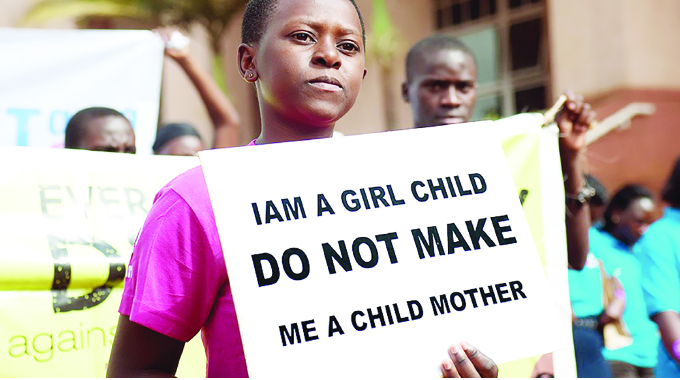
Rumbidzayi Zinyuke, Health Buzz
March is women’s month—a time to celebrate women’s achievements and advocate for gender equality.
However, amid the celebrations, there is an urgent issue that must not be ignored: child marriages.
In many parts of the world, including here in Africa, young girls are still being married off before they reach adulthood, robbing them of their childhood, education, and opportunities.
This practice, often driven by lack, cultural norms, and gender inequality, continues to trap millions of girls in a cycle of poverty, abuse, and lost potential.
Addressing child marriages is not just about protecting young girls; it is about securing a better future for entire communities and nations.
As we celebrate women this month, we must also confront the barriers that prevent them from reaching their full potential—starting with ending child marriages.
Globally, UNICEF estimates that over 12 million girls are married before the age of 18 each year. This means one in five girls worldwide is married off as a child, with rates significantly higher in some regions.
In Africa, the prevalence of child marriage varies by region, but it’s estimated that 41,5 percent of girls in West Africa are married before the age of 18.
In Zimbabwe, the statistics are equally concerning. According to UNICEF, one in three young women in the country were married in childhood, with over one million child brides.
An estimated 21 percent of children in Zimbabwe, mostly girls, are married before the age of 18. The Girl Child Network estimates that around 8 000 girls have been forced into early marriages or were held as sex slaves since 2008.
While progress has been made in reducing child marriages, the Covid-19 pandemic, economic downturns, and conflicts have caused setbacks, putting millions more children at risk.
In countries where child marriage is prevalent, it is often justified by tradition, religion, or economic hardship. Families struggling to survive may see marriage as a way to reduce their financial burden or ensure their daughter’s security. However, the long-term consequences of child marriage far outweigh any short-term relief.
Loss of education, future opportunities
One of the most immediate effects of child marriage is the end of a girl’s formal education. Once married, most girls are expected to drop out of school to fulfil household duties or become mothers.
Although the Government has allowed girls to come back to school after falling pregnant, not many take up that opportunity, mostly due to the stigma surrounding pregnancy at a young age. So, they stay at home.
Without education, they have little chance of finding meaningful employment or becoming financially independent.
According to the World Bank, each year of secondary education can reduce the likelihood of child marriage by at least five percentage points. Educated girls are more likely to make informed decisions about their lives, delay marriage, and contribute to their economies.
Increased health risks
Child brides face severe health risks, including complications during pregnancy and childbirth.
The body of a young girl is often not fully developed to carry and deliver a child safely, leading to higher rates of maternal mortality, obstetric fistula, and infant mortality. In fact, complications from pregnancy and childbirth are the leading cause of death among girls aged 15–19 globally.
Furthermore, child brides are at a higher risk of experiencing domestic violence, sexual abuse, and mental health issues. Many suffer from depression, anxiety, and post-traumatic stress due to forced sexual relations, isolation, and lack of agency in their lives.
Economic dependence and poverty
Marrying young almost always means economic dependence.
With little or no formal education, child brides often remain financially reliant on their husbands, reinforcing the cycle of poverty. In cases of widowhood or abandonment, these young women are left without skills or resources to support themselves and their children, increasing the burden on already struggling communities.
The scourge of child marriage has a significant impact on communities and countries as a whole.
It often leads to slower economic growth.
A 2017 study by the World Bank and the International Centre for Research on Women (ICRW) found that ending child marriage could add trillions of dollars to the global economy.
Girls who complete their education contribute to the workforce, start businesses, and support economic growth.
Child marriage also leads to increased health costs. This is because the health complications associated with child marriages place a significant burden on public health systems.
High rates of adolescent pregnancies, maternal mortality, and childhood malnutrition lead to increased healthcare costs. Governments that fail to address child marriages often find themselves spending more on healthcare interventions rather than investing in preventive measures like education and empowerment programmes.
We cannot forget about the continued perpetuating of gender inequalities.
Child marriages reinforce patriarchal systems that keep women in subordinate roles. They strip girls of their autonomy, limiting their ability to make decisions about their bodies, education, and careers.
When young girls are denied opportunities, gender inequality persists, making it harder for societies to progress toward true gender parity.
Governments, communities and indeed, every individual have a role to play to address this scourge. For governments, strengthening laws and enforcement would be a vital step.
Many countries, including Zimbabwe, have laws prohibiting child marriages, yet enforcement remains weak.
In Zimbabwe, while the law stipulates that it is a crime to marry a child below the age of 18, many are still being married off with little or no consequences.
It is, therefore, imperative that governments strengthen legal frameworks, close loopholes that allow child marriages under “special circumstances”, and ensure that perpetrators—whether parents, religious leaders, or community elders—face consequences.
Providing education and economic support towards girls is also a good start.
Keeping girls in school is one of the most effective ways to prevent child marriage. Girls should have the necessary skills needed to become self-sufficient.
Most importantly, changing social norms and raising awareness is critical.
Ending child marriage requires a cultural shift. Communities need to recognise the harmful effects of the practice and embrace alternative rites of passage for girls.
Religious and community leaders must be engaged in awareness campaigns, and young girls themselves should be empowered to advocate for their rights.
Why does this discussion matter this women’s month?
Women’s month is a time to celebrate progress and highlight the battles that still need to be fought.
If we are to truly honour women and their achievements, we must ensure that future generations of girls are not shackled by outdated customs and economic desperation.
A world free of child marriage is a world where girls can dream, learn, and achieve their full potential. It is a world where gender equality is not just an aspiration but a reality. As we celebrate women’s month, let us commit to ending child marriages and building a future where every girl can thrive.
Feedback: [email protected]



 Online Reporter