Online Reporter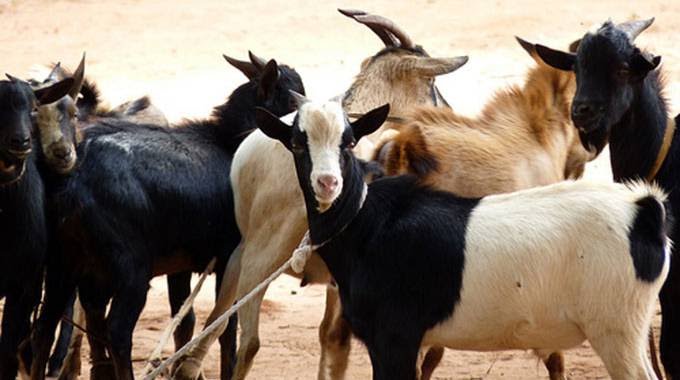
Patience Maturure
Agriculture Reporter
Livestock experts have urged goat farmers to consider indigenous Mashona goat breeds renowned for their drought resistance and adaptability to harsh environmental conditions amid escalating climate challenges.
To bolster their claims, the experts have cited the breeds’ resistance to drought and ability to thrive in harsh climate conditions, which makes them a sustainable alternative that could help secure livelihoods while combating the impacts of climate change.
Lands, Agriculture, Fisheries, Water and Rural Development research officer Mr Victor Mandimutsa said this at the ongoing 115th edition of the Zimbabwe Agriculture Show in Harare on Wednesday.
“We are showcasing Mashona goats, also known as small East African goats. Our advice to farmers is that they should consider adopting these local breeds due to their numerous advantages,” he said.
Mr Mandimutsa said indigenous Mashona goats can tolerate drought and climate change and even produce their offspring throughout the year.
“These breeds are highly resistant to drought, making them an ideal choice for Zimbabwe in the wake of the changing climate,” he said.
“By adopting Mashona goats, farmers can maintain a steady supply of meat protein throughout the year, unaffected by food or water scarcity.”
Mr Mandimutsa further explained that adopting local breeds would help prevent problems associated with crossbreeding, such as dystocia and food shortages.
“So this year, we are expecting farmers to take this message home and consider starting to use local breeds,” he said.
“This can ensure that they have many goats in their respective areas, and we also expect them to make sure they give the goats minimal supplementary feeding.”
Additionally, Mr Mandimutsa said by using locally available feeds, farmers can raise the hardy goats with minimal supplementary feeding, increasing their numbers and resilience to climate change in the process.
“Goat farmers can utilise locally available feeds that fit seamlessly into their farming routines,” he said.
In recent times, the country’s goat industry is enjoying a lot of support from a local organisation, Mash Goats, that is training farmers on proper goat farming practices.
The national goat population currently stands at five million and Mash Goats is ramping up efforts to position Zimbabwe as a global player in the goat industry by promoting increased production and adoption of improved genetics.
Goat farming has become a lucrative business for farmers on the back of growing demand for chevon both in Zimbabwe and globally.
And given that most farmers find it difficult to invest in foreign breeds such as Savanna and Boer goats, the call to invest in the local Matabele and Mashona breeds, among others that are resilient to drought and disease, is essentially coming at the right time.