Online Reporter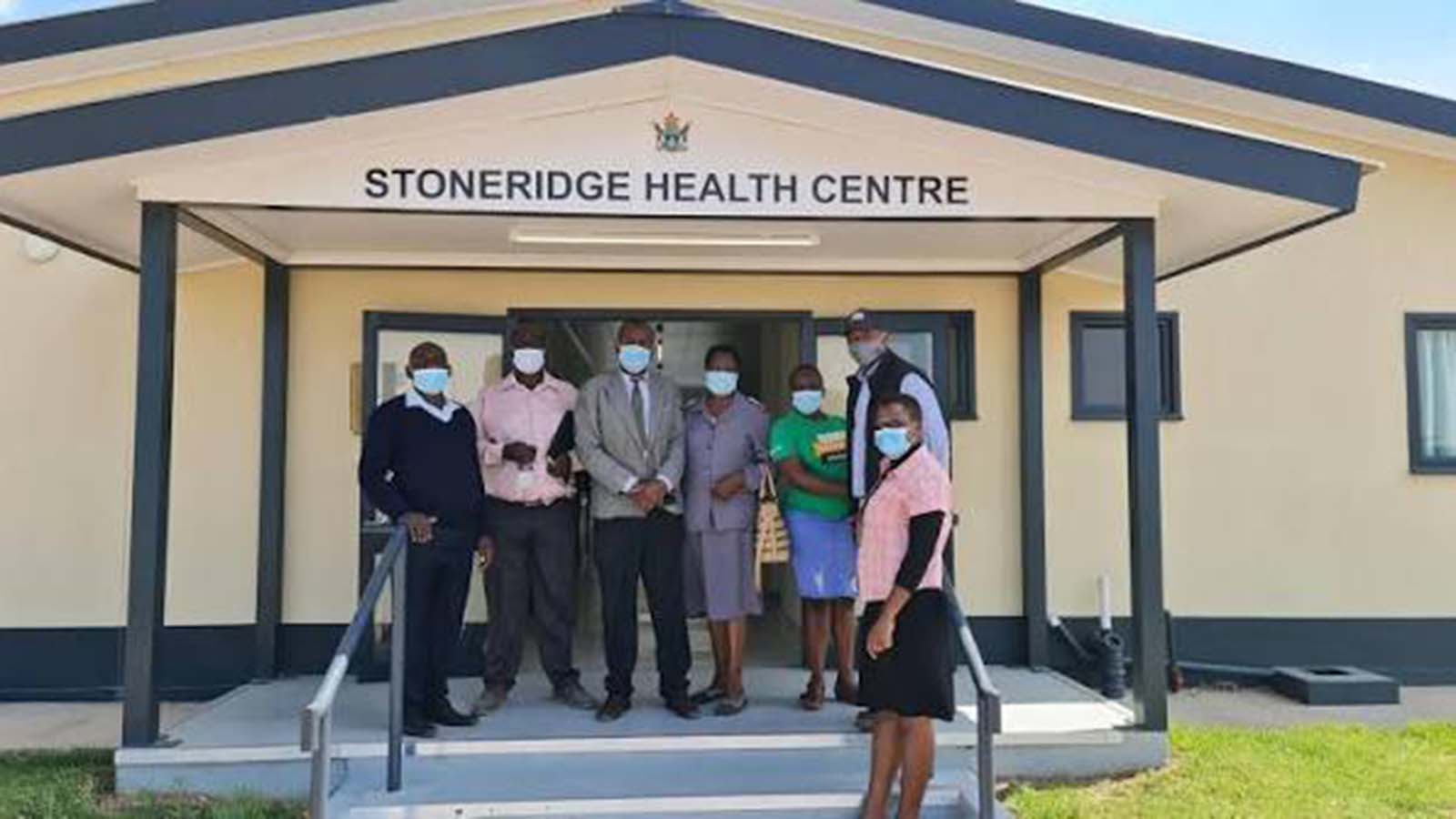
Rumbidzayi Zinyuke
Senior Health Reporter
THE Stoneridge Health Centre has become an anchor of the Second Republic’s investment in primary healthcare, with thousands of residents in Harare South now accessing quality health services closer to their homes, as Government intensifies efforts to achieve Universal Health Coverage.
The growing demand for services at the facility reflects a shift towards strengthening primary healthcare, the first point of contact between communities and the health system.
By bringing essential services such as maternal and child healthcare, outpatient consultations, laboratory testing, X-rays and minor surgical procedures closer to where people live, Government is reducing pressure on central hospitals while improving access to timely and affordable healthcare.
Commissioned by President Mnangagwa in 2023, Stoneridge Health Centre was established to serve the rapidly expanding communities in Harare South, improve access to quality healthcare and decongest major referral hospitals.
For residents, the health centre has transformed access to healthcare.
Mr Innocent Pasuwa said the facility has spared many patients the inconvenience and costs associated with travelling long distances to seek treatment at referral hospitals.
“This hospital has really been helping us. I have had several health challenges but whenever I come here, I receive good treatment,” he said.
“We have doctors who attend to us and, in most cases, we get all the treatment we need here. Only a few patients are referred to bigger hospitals.
“Today, I came with my wife after the doctor requested an X-ray and we are expecting that once we see the doctor with the results, we will be going home in no time.”
Mr Tonderai Mutizwa said the health centre had brought quality healthcare within reach of vulnerable groups, including the elderly.
“I am thankful for this hospital that was built by our Government. My mother is 95 years old and stays in the rural areas.
“She almost died last year but doctors at this facility saved her. Whenever she comes to Harare, she is treated here with love and care.
“The doctors and nurses are always cheerful and they prioritise elderly patients. The service is excellent and we are now referring other people here because we know they will receive quality treatment,” he said.
Ms Tariro Chirimba, who recently gave birth at the facility, said the quality of maternal healthcare exceeded her expectations.
“The service we receive here is excellent. From the time I started attending antenatal classes until I delivered my baby, I was treated very well.
“My baby is now six weeks old and I want to appreciate the staff for the care they gave us.”
Since opening its doors, the facility has continued to expand its services, including the introduction of elective Caesarean section deliveries last month, allowing expectant mothers to receive specialist care within their community.
To date, seven elective cesarean sections have been performed.
Health and Child Care Minister Dr Douglas Mombeshora, who recently toured the facility, said the increasing number of patients seeking treatment at Stoneridge Health Centre demonstrates the growing need for more modern primary healthcare facilities across the country.
“As you can see, this is one of our quality primary healthcare facilities in an urban area,” he said. “Previously we relied mainly on polyclinics run by the City of Harare, but this centre has shown that there is need to establish more facilities like this.
“One doctor is seeing about 60 patients every day, which clearly shows that the demand is there.”
Stoneridge Health Centre is one of four functional facilities built by Government under a US$210 million investment, which also saw the construction of Cowdray Park Health Centre in Bulawayo, Mataga Health Post in Mberengwa and Runyararo Health Centre in Chimanimani.
Construction of four more facilities is at various stages at Manhize, Chivi, Zaka and Bulilima.
“So far, four more are under construction, but we plan to build about 30 of these mini-hospitals across the country.
“Here in Harare, we also intend to build larger facilities equivalent to district hospitals. We want to thank President Mnangagwa for the support he has given us to ensure healthcare is accessible to the general population,” Dr Mombeshora said.
The expansion of modern primary healthcare facilities is central to the Second Republic’s vision of delivering equitable healthcare services to every citizen while reducing pressure on central hospitals.
The facility also received international recognition from World Health Organisation Regional Director for Africa Dr Mohamed Yakub Janabi, who said Zimbabwe was setting a strong example in strengthening primary healthcare.
Zimbabwe’s investment in health, he added, was consistent with the global drive towards Universal Health Coverage.
“The direction agreed by WHO member States is to strengthen primary healthcare because it is the backbone of Universal Health Coverage.
“What we have seen here at Stoneridge Health Centre shows that Zimbabwe is making primary healthcare a priority by bringing services closer to where people live,” he said.
Dr Janabi said the introduction of elective Caesarean section services had already enabled seven mothers to safely deliver their babies within weeks of the service being introduced.
“Without facilities such as this, some of those mothers could have faced delays in accessing life-saving care. This is why bringing healthcare closer to communities is so important,” he said.
He also commended the frequent use of the facility as evidence that communities have embraced the services.
“When communities make use of a health facility, it shows they have confidence in the services being provided.
“This is how resilient health systems are built, and Zimbabwe is demonstrating an approach that other countries in the WHO African Region can learn from,” Dr Janabi added.
Stoneridge Health Centre is one of several modern health facilities being developed under the Second Republic’s health infrastructure programme, which seeks to strengthen primary healthcare as the foundation of the country’s health system.
The programme is expected to improve access to essential health services, particularly in underserved communities, while advancing Zimbabwe’s goal of achieving Universal Health Coverage by ensuring that no one is left behind.