admin
admin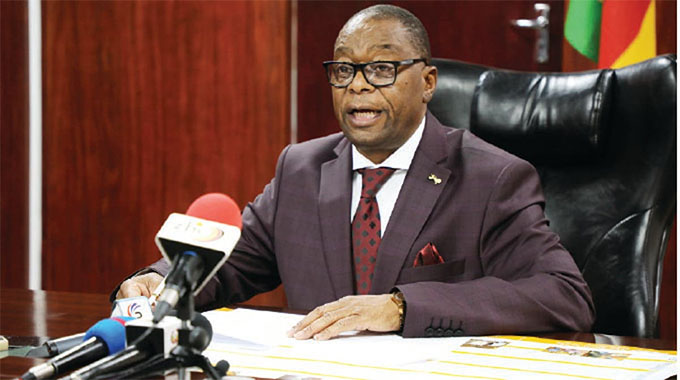
Rumbidzai Mushonga
Herald Correspondent
Remote areas of Zimbabwe should now receive better health services after the Ministry of Health and Child Care yesterday received 136 utility vehicles from the Global Fund to Fight AIDS, Tuberculosis and Malaria acting in partnership with the United Nations Development Programme (UNDP).
The handover ceremony, presided over by Health and Child Care Minister Dr Douglas Mombeshora, highlighted the Government’s commitment to expanding access to quality healthcare services, particularly in remote and hard-to-reach areas. UNDP will be monitoring the usage and other reports of how the vehicles are deployed.
“These vehicles will go a long way in enhancing access to healthcare services, facilitating the transport of medical supplies, equipment, and health workers, and strengthening our emergency and outbreak response capabilities,” said Dr Mombeshora.
The vehicles were provided as part of the Global Fund’s ongoing support to Zimbabwe, which has reached over US$2,8 billion since 2003.
This support has complemented the Government’s efforts in the fight against the three major infectious diseases HIV/AIDS, tuberculosis and malaria.
“With the help of the Global Fund and UNDP, Zimbabwe has made significant progress in achieving the UNAIDS 95-95-95 targets, reducing HIV-related deaths by 65 percent and new infections by 78 percent in the past decade,” said Dr Mombeshora.
The 95-95-95 means that at least 95 percent of those infected with HIV know their status, that 95 percent of those are now on ARVs, and that 95 percent of those on the treatment have reached the stage of virus suppression, meaning they are no longer infectious.
The Minister said that on the malaria front, the country is on track to meet the Global Technical Strategy’s target of reducing malaria incidence by 75 percent by 2025, with incidence dropping from 32 cases per 1 000 to 9 per 1 000 between 2020 and 2022.
Dr Ayodele Odusola, a representative from UNDP, detailed the organisation’s commitment to supporting the country’s Ministry of Health with vehicle resources for vaccine distribution.
As part of the agreement, UNDP will be providing a fleet of vehicles to the Ministry on a long-term basis, with the vehicles to be used through 2026. This move is aimed at enabling the effective and timely delivery of vaccines across the country, a crucial effort as the nation works to bolster its healthcare infrastructure.
“The handing over of these vehicles is not just a formality, but a testament to UNDP’s dedication to the development aspirations of our country and the mandate of the Ministry of Health,” said Dr Odusola.
Dr Odusola added that the agreement outlines comprehensive asset management requirements, including the provision of monthly vehicle information, location data, and maintenance records to UNDP.
Additionally, the Ministry must submit quarterly reports on vehicle usage and effectiveness to the UNDP, which will then be transmitted to the Global Fund Secretariat.
He emphasised the importance of this collaborative effort.
“UNDP is committed to working hand-in-hand with the ministries to achieve not only national, but also global health objectives,” he said.
This initiative is seen as a significant step in strengthening the country’s capacity to distribute vaccines and improve overall healthcare outcomes. As the nation continues its efforts to combat the ongoing health crisis, the UNDP’s support through this vehicle program is expected to play a crucial role in driving progress.
Dr Mombeshora also acknowledged the dedication and resilience of healthcare workers and urged them to use the vehicles responsibly, prioritising the needs of the citizens.
The handover of the vehicles is a testament to the Government’s and its partners’ commitment to achieving universal health coverage and improving the quality of life for all Zimbabweans.



 Online Reporter