Chronicle Editor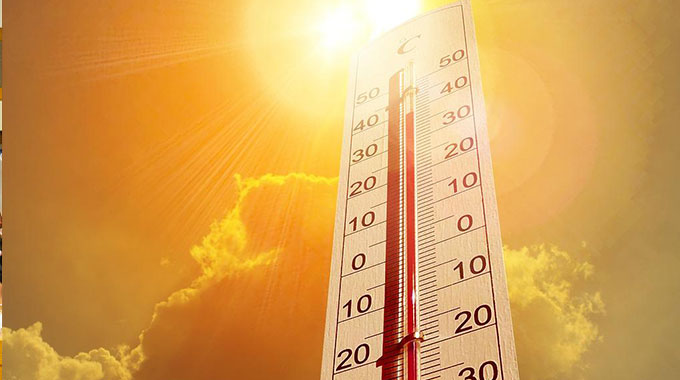
Ronald Mpofu & Tarisiro Tafirenyika
Zimbabweans are bracing for extreme heat as temperatures soar to 37.7°C in areas like Bulawayo, Harare, Gweru, and Lupane.
The Meteorological Services Department has urged citizens to take necessary precautions to avoid heat-related illnesses such as dehydration, heat exhaustion, dizziness, and even heatstroke. Heatwaves, defined as prolonged periods of abnormally high temperatures, can pose serious health risks, especially to vulnerable populations.
Such weather events have led to tragic outcomes in the past, underscoring the importance of adhering to safety guidelines.
Zimbabwe’s heatwaves have had severe and occasionally fatal consequences in recent years, particularly during periods of extreme heat. Specific cases include:
- 2016 Lupane Heatwave Deaths
Several individuals in Lupane succumbed to extreme heat when temperatures soared above 40°C. Vulnerable groups, including the elderly and those with pre-existing health conditions, were most affected. Health officials attributed the deaths to a lack of hydration and prolonged exposure to direct sunlight - 2017 Heatwave in Kariba and Chirundu
During this heatwave, several residents suffered health complications such as nosebleeds and fainting. In one incident, children were rushed to health centres in Gweru after collapsing from heat exhaustion during outdoor activities. While there were no reported fatalities, health professionals raised concerns about the heightened risk for infants and the elderly - 2019 Harare Heatstroke Cases
A spike in hospital admissions was recorded in Harare during a severe heatwave. Cases of heatstroke were prevalent, particularly among school children and outdoor workers. Although no precise mortality figures were confirmed, the event prompted widespread warnings from the Meteorological Services Department and health authorities
These incidents underscore the critical need for robust public awareness campaigns during heatwaves. Vulnerable communities, especially in rural areas, require targeted interventions such as access to drinking water and shaded spaces.
To mitigate the risks of heat-related illnesses:
- Stay Hydrated: Consume at least two litres of water daily and avoid sugary or caffeinated beverages.
- Seek Cool Environments: Stay indoors between 11 am and 3 pm and utilise cooling devices or water-based cooling methods.
- Limit Strenuous Activities: Postpone outdoor work or exercise to cooler parts of the day.
- Protect Against Sun Exposure: Wear loose, lightweight clothing, wide-brimmed hats, and sunscreen (SPF 30+).
- Support Vulnerable Groups: Check on elderly neighbours, children, and those with chronic conditions to ensure their well-being.
Ongoing Awareness
Authorities and meteorologists continue to monitor the situation, urging communities to prioritise their safety during this period of extreme heat. Residents are advised to follow official updates and take precautionary measures to avoid preventable tragedies.



 Online Reporter