malvernmugadzikwa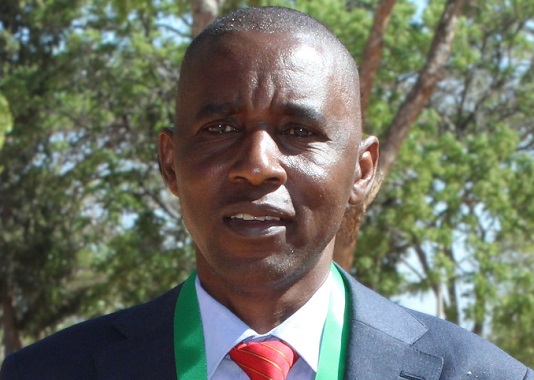
Rainos Mukanya
Zimbabwe’s education landscape is undergoing significant transformation, marked by the introduction of the Heritage-Based Curriculum (HBC).
This innovative curriculum framework, which is deeply rooted in Zimbabwe’s cultural and historical context, is aimed at nurturing well-rounded learners, equipped with knowledge, skills and values that are relevant to both local and global contexts.
At the heart of the HBC are specific learning areas, each designed to achieve clearly defined outcomes that align with the broader educational goals of the nation.
Early childhood development (ECD)
The foundation of the HBC begins at the early childhood development level, where focus is on developing foundational skills in language, mathematics and environmental science.
These early learning areas are vital as they lay the groundwork for cognitive and social development.
The outcomes at this stage emphasise the development of basic literacy and numeracy skills, as well as an understanding of the immediate environment, fostering curiosity and a love for learning among young children.
Junior school level
As learners transition into primary education, the HBC expands to include a broader range of learning areas.
These include mathematics, science, social studies, and languages, with a strong emphasis on indigenous languages.
The HBC rationalised the junior school curriculum from the previous 11 to six learning areas, which include an indigenous language, English language, science and technology, mathematics, social sciences, and physical education and arts.
The curriculum is designed to promote critical thinking, problem-solving and creativity.
Learning outcomes at this stage are focused on the application of knowledge in practical situations, encouraging learners to explore and interact with their environment meaningfully.
The integration of technology and the arts ensures that learners are not only academically proficient but also culturally aware and technologically savvy.
Secondary education
At the secondary level, the HBC becomes more specialised, with learners being exposed to subjects that prepare them for specific career paths.
Core subjects like mathematics, science and languages continue to be emphasised, but there is also a strong focus on vocational and technical education.
This includes areas such as agriculture, physical education and information technology.
Learners can be categorised according to preferred areas of proficiency when they enrol for secondary education.
At the lower secondary
level, the three compulsory learning areas are mathematics, combined science and heritage studies, with learners allowed a maximum of six electives from diverse categories, including sciences, humanities, physical education and arts, languages, commercials and technical and vocational education.
The learning outcomes at this stage are geared towards preparing learners for the world of work, higher education and responsible citizenship.
The curriculum encourages independent thinking, research skills and the ability to
apply knowledge in real-world contexts.
The learning areas in Forms Five and Six prepare learners for options such as tertiary and university education, as well as self-employment.
Learners at this level are encouraged to study three learning areas from a specified pathway.
Learners can choose learning area combinations across pathways, in line with their career aspirations.
Cross-cutting themes
A unique aspect of the HBC is the incorporation of cross-cutting themes across all learning areas and levels.
These themes include environmental sustainability, gender equity, health and wellness, and entrepreneurship.
By embedding these themes in the curriculum, the HBC ensures that learners develop a holistic understanding of the world around them and are prepared to address the complex challenges of the 21st century.
For instance, environmental education is integrated into science and social studies, promoting awareness and action towards sustainable development.
Similarly, gender equity is addressed through discussions and activities that challenge stereotypes and promote inclusivity.
Analysing learning outcomes
The learning outcomes under the HBC are carefully designed to be measurable and aligned with both national and international standards.
At each learning level,
outcomes are tailored to ensure that learners acquire the competencies necessary for success in their personal and professional lives.
For example, at the ECD level, outcomes focus on basic skills and attitudes, such as the ability to express ideas verbally and non-verbally.
At the primary level, outcomes expand to include analytical skills and the ability to work collaboratively with others.
By the secondary level, outcomes are more advanced, emphasising critical thinking, innovation and the ability to conduct independent research.
In focusing on learning areas that are directly linked to desired outcomes, the HBC ensures that learners are not only academically prepared but also culturally grounded and ready to contribute positively to society.
As the HBC continues to be implemented and refined, it holds the promise of transforming education in Zimbabwe, producing a generation of learners
who are knowledgeable, skilled and equipped to navigate the complexities of the modern
world.
Rainos Mukanya is a communications and advocacy officer in the Ministry of Primary and Secondary Education.



 Online Reporter