Online Reporter
Ryan Sibanda, [email protected]
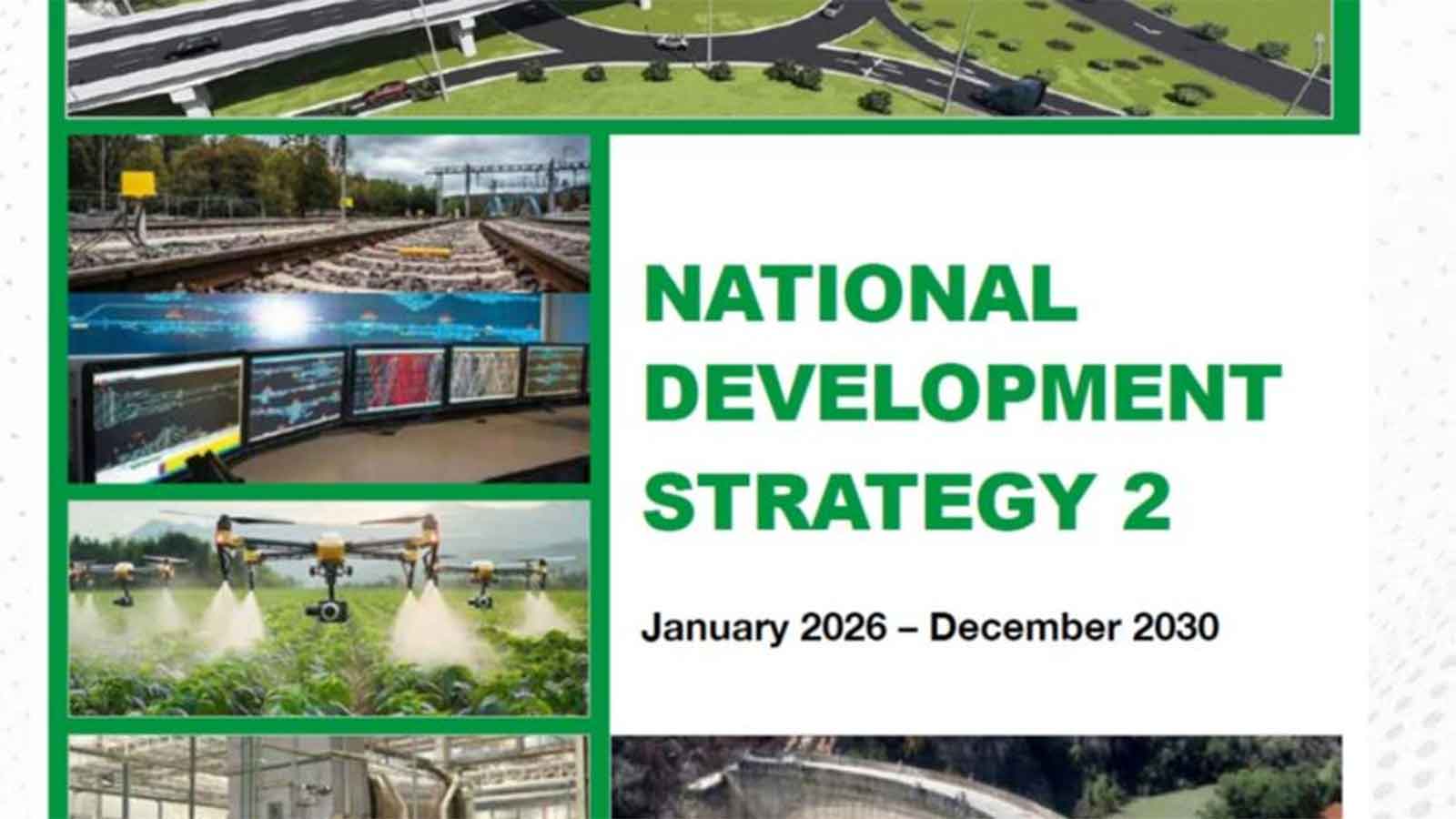
ZIMBABWE’S Heritage-Based Curriculum (HBC) is increasingly being positioned as the catalyst towards achieving Vision 2030 with its emphasis on practical skills, innovation, indigenous knowledge and community development aligning closely with the country’s Education 5.0 philosophy and the National Development Strategy 2 (NDS2).
The model is designed to move education beyond producing job seekers by equipping learners with skills they can apply to their communities and the economy.
Education 5.0 places emphasis on teaching, research, community service, innovation and industrialisation.
The model extends these principles to younger learners by encouraging them to connect classroom knowledge with Zimbabwe’s environment, culture, resources and everyday challenges.
Government has noted that schools such as Somvubu High in Bubi District have demonstrated the potential of rural institutions to produce talent when learners are given opportunities to develop practical abilities.
Where learners participate in conservation activities designed around local environmental challenges, the
Government has commended schools that have linked such activities to its curriculum and long-term environmental awareness goals.
The transformation is intended to produce learners who can become “job creators” rather than simply job seekers, Primary and Secondary Schools Permanent Secretary Mr Moses Mhike, has said.
He was speaking at Somvubu High on Friday where he presented the school with a Secretary’s Merit Award.
Somvubu High School and AMR Sisters Primary School based Lupane are the 2026 Secretary’s Merit Award champions in recognition of excellence in implementing the Heritage-Based Curriculum, strong academic results and viable commercial projects.
The success of Somvubu illustrates how heritage-based learning can combine academic knowledge with practical skills while grounding children in their national identity, said Mr Mhike.
“The Heritage-Based Curriculum, which the ministry is implementing, is crucial to realising national aspirations as we progress towards an Upper-Middle-Income Economy by 2030,” he said.
Mr Mhike noted that the school has embraced ‘experiential learning’ through production, establishing poultry, rabbitry, horticulture, greenhouse farming, and an orchard.
“These projects equip pupils with practical agricultural and entrepreneurial skills while generating resources to support vulnerable pupils and enhance school programmes,” he said.
The Permanent Secretary commended how learners are exposed not only to science and technology but also to Zimbabwean culture, traditional practices, indigenous knowledge, languages and local resources.
Mr Mhike said HBC also help’s learners understand where they come from while preparing them to participate confidently in the modern economy.
This comes as the Government has emphasized that the future of Zimbabwe will increasingly depend on science, technology, innovation and problem-solving.
As NDS2 drives the country towards Vision 2030, education experts have said the success of Heritage-Based Education will ultimately depend on how effectively schools turn local knowledge into practical skills, innovation, entrepreneurship and responsible citizens.