Online Reporter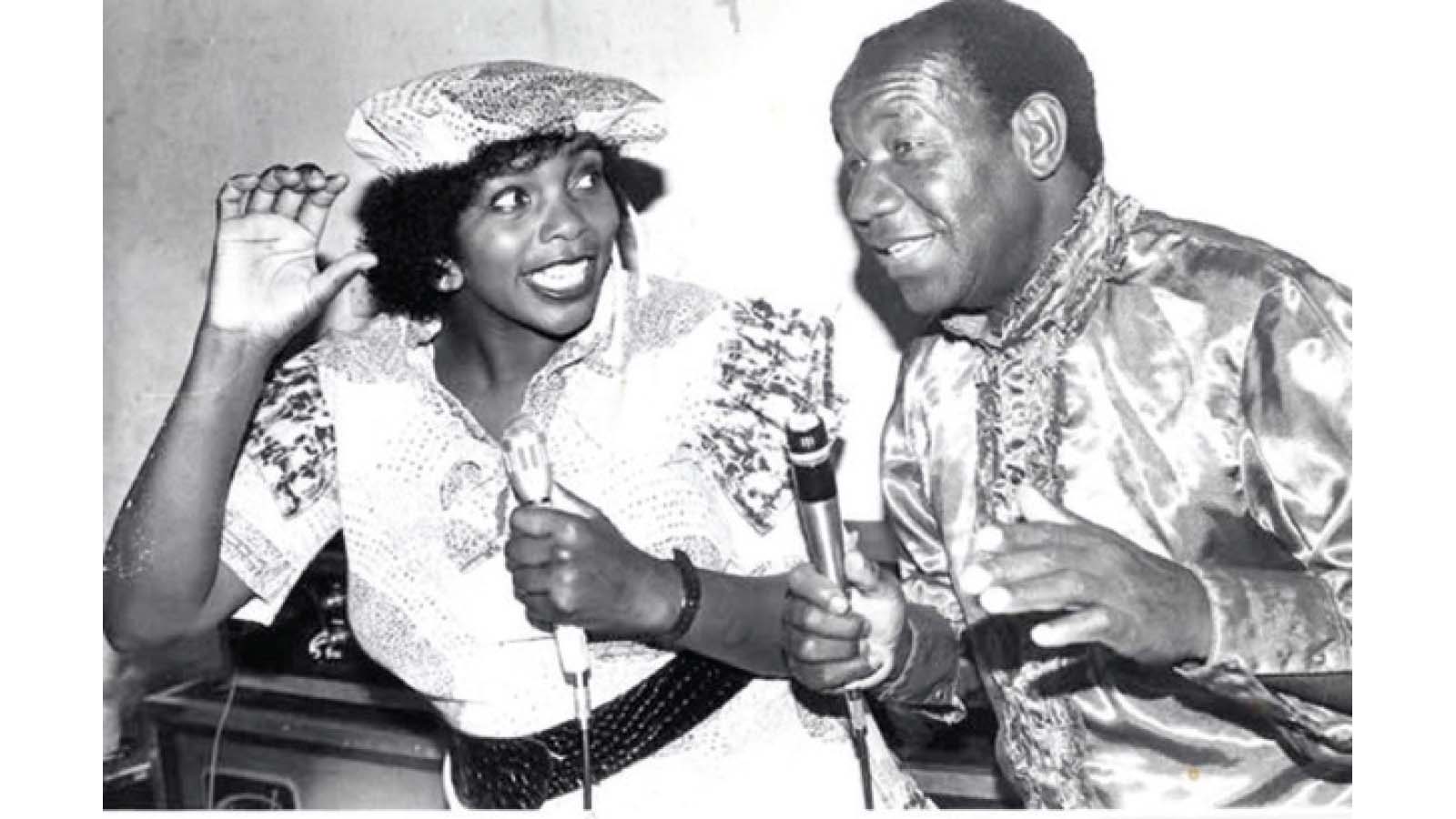
Trust Khosa
AS Zimbabwe commemorates Heroes Day, which is running under the theme “Lest We Forget”, tomorrow, the nation pauses to honour the men and women whose sacrifices, dedication and achievements have shaped its history and identity.
While the day is generally associated with the country’s liberation heroes and heroines, it is also an opportunity to celebrate individuals from various sectors whose contributions have left an indelible mark on society.
From sports, business and entrepreneurship to science, medicine, mining and the arts, Zimbabwe has produced remarkable sons and daughters whose legacies continue to inspire generations.
The arts and entertainment industry has played a pivotal role in preserving the country’s heritage, telling its stories and promoting its culture both locally and internationally.
Through music, film, theatre, literature, dance and visual arts, generations of creatives have helped define Zimbabwe’s identity and projected it onto the global stage. In recognition of these invaluable contributions, the Zimpapers Arts and Entertainment Hub today pays tribute to some of the country’s greatest showbiz icons. These are the men and women whose talent, passion and commitment transformed the country’s cultural landscape and whose influence continues to resonate long after many of them have taken their final bow.
The reality, however, is that no list can adequately capture every iconic figure who has contributed to Zimbabwe’s entertainment industry since independence in 1980.
We, however, deliberately spotlight departed arts and entertainment heroes and heroines.
While many living legends continue to fly the Zimbabwean flag high, it is equally important to honour those whose foundations made today’s thriving creative industry possible.
Remembering these pioneers is more than an act of nostalgia — it is an acknowledgement of the enduring value of the arts. Their work continues to educate, entertain and unite communities while preserving Zimbabwe’s rich cultural heritage for future generations. Art remains an integral part of society because it reflects who we are, where we come from and where we aspire to go. The National Arts Council of Zimbabwe (NACZ), which superintends over all artistic genres, believes the time has come for both living and departed creatives to be honoured on a much larger scale.
“To be honest, we are proud of our Government, which respects the creative community for the role it plays in shaping the nation,” said NACZ spokesperson Agga Nyabinde.
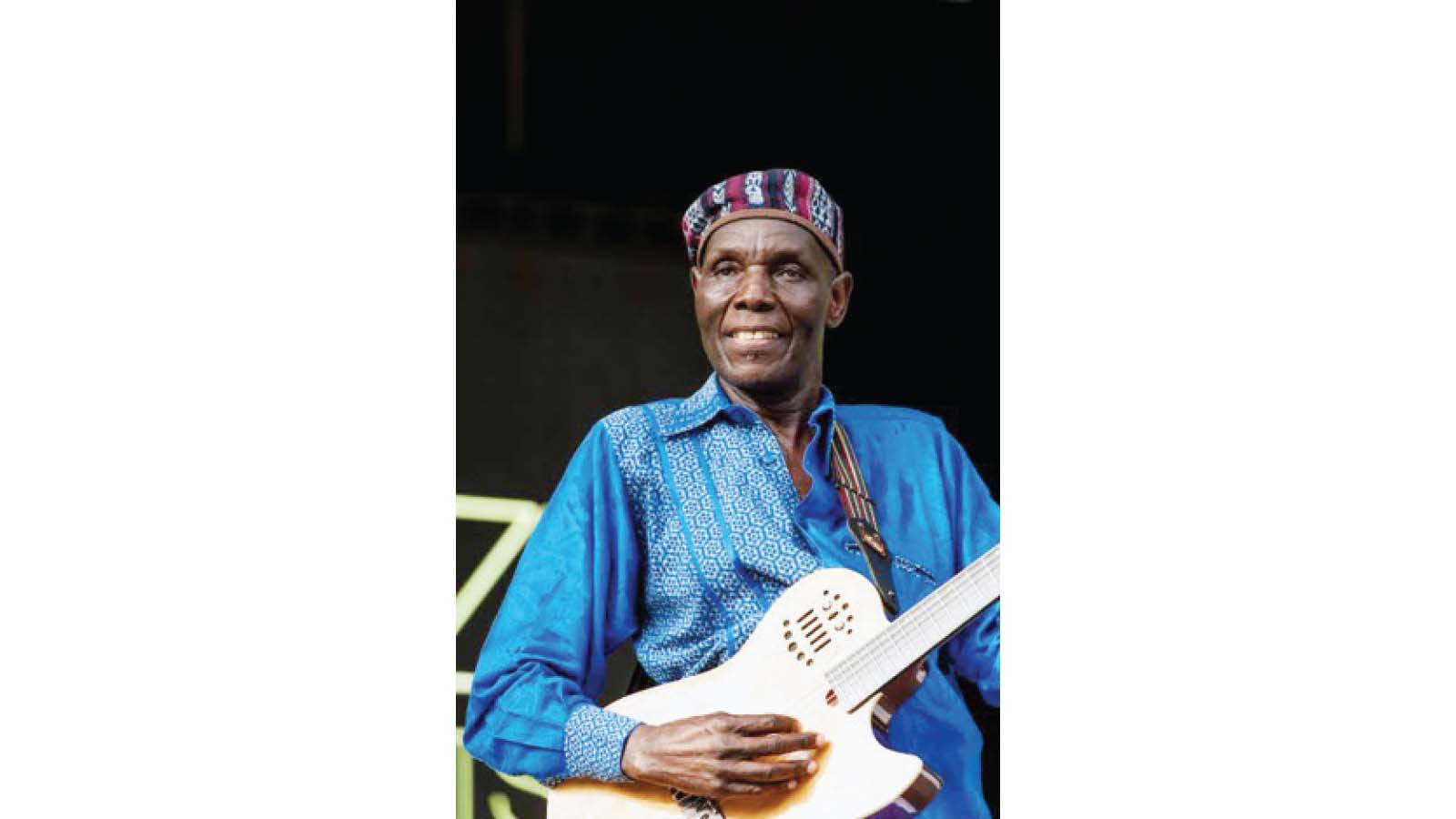
“For instance, we now have musical galas that honour our departed legends, and that is commendable. This is what we have been yearning for over the years. As the arts community, we were also honoured when the late Oliver Mtukudzi was declared a national hero.”
Nyabinde also advocated for greater recognition of living legends.
“We have also noted that there is a growing need to honour our living legends. If you recall, we honoured several living legends during the NAMA@40 awards ceremony. That was one of our proudest initiatives and we still cherish it.”
Beyond celebrating artistic achievements, recognising these icons ensures that their stories, values and works are documented for future generations.
Their contributions have become part of Zimbabwe’s national memory and deserve to be preserved through museums, archives, educational programmes and annual commemorative events.
Equally important is supporting living legends while they are still able to mentor emerging talent.
Many of today’s celebrated artistes attribute their success to pioneers who laid the foundation for a thriving creative industry. Honouring them in their lifetime not only shows gratitude but also inspires younger generations to pursue excellence.
Music
Music remains one of the most vibrant artistic disciplines.
New stars emerge almost every week, with some enjoying lasting success while others fade away.
However, there are trailblazers whose influence continues to inspire generations long after passing away, making them cultural heroes who cannot be forgotten.
Among the departed music legends who left an indelible mark are national hero Oliver Mtukudzi, whose music touched millions across the globe, and revolutionary musician Dickson Chingaira Makoni, popularly known as Cde Chinx. Gifted composers Leonard Dembo, Simon Chimbetu, Tongai Moyo, Solomon Skuza, Paul Matavire, Nicholas Zakaria and System Tazvida are also among the country’s musical heroes.
The list would be incomplete without mentioning mbira queen Stella Chiweshe, Dumisani Maraire and his daughter Chiwoniso Maraire.
In jazz circles, the void left by Harare Mambos founder Greenford Jangano and Bob “Headmaster” Nyabinde remains difficult to fill. For the current generation, Soul Jah Love (born Soul Musaka), who was declared a liberation hero, will forever remain in the hearts of many.
Film and television
The film and television industry has produced remarkable legends whose works continue to entertain audiences years after they passed away.
Among them are Safirio “Mukadota” Madzikatire, Lazarus “Gringo” Boora, Susan “Mai Rwizi” Chenjerai, Rhoda “Mai Sorobhi” Mtembe, Fanuel “Firimoni” Tonganayi and Aleck “Skoro” Zulu.
Theatre
The theatre sector has lost towering figures whose contributions transformed the local performing arts.
Who cannot forget Stephen Chifunyise, Cont Mhlanga, Walter Mparutsa and Beater Mangethe, whose works continue to inspire current theatre practitioners?
Literary arts
At 46 years of independence, Zimbabwe still mourns some of its finest writers whose literary masterpieces were produced long before the advent of artificial intelligence.
Among them are Dambudzo Marechera, Charles Mungoshi, Chenjerai Hove, Yvonne Vera, Alexander Kanengoni and Patrick Chakaipa.
Visual arts
In the visual arts, locals continue to cherish the legacy of gifted artists who have since passed away, including Henry Munyaradzi, Fanizani Akuda, Nicholas Mukomberanwa, John Ndandarika and Joram Mariga.
The country has also lost remarkable pioneers in dance, the spoken word and other creative disciplines.
As Zimbabwe commemorates Heroes Day, the nation should remember that heroism is not confined to the battlefield alone.
Cultural icons have also fought to preserve the country’s identity through music, literature, theatre, film and visual arts.