Online Reporter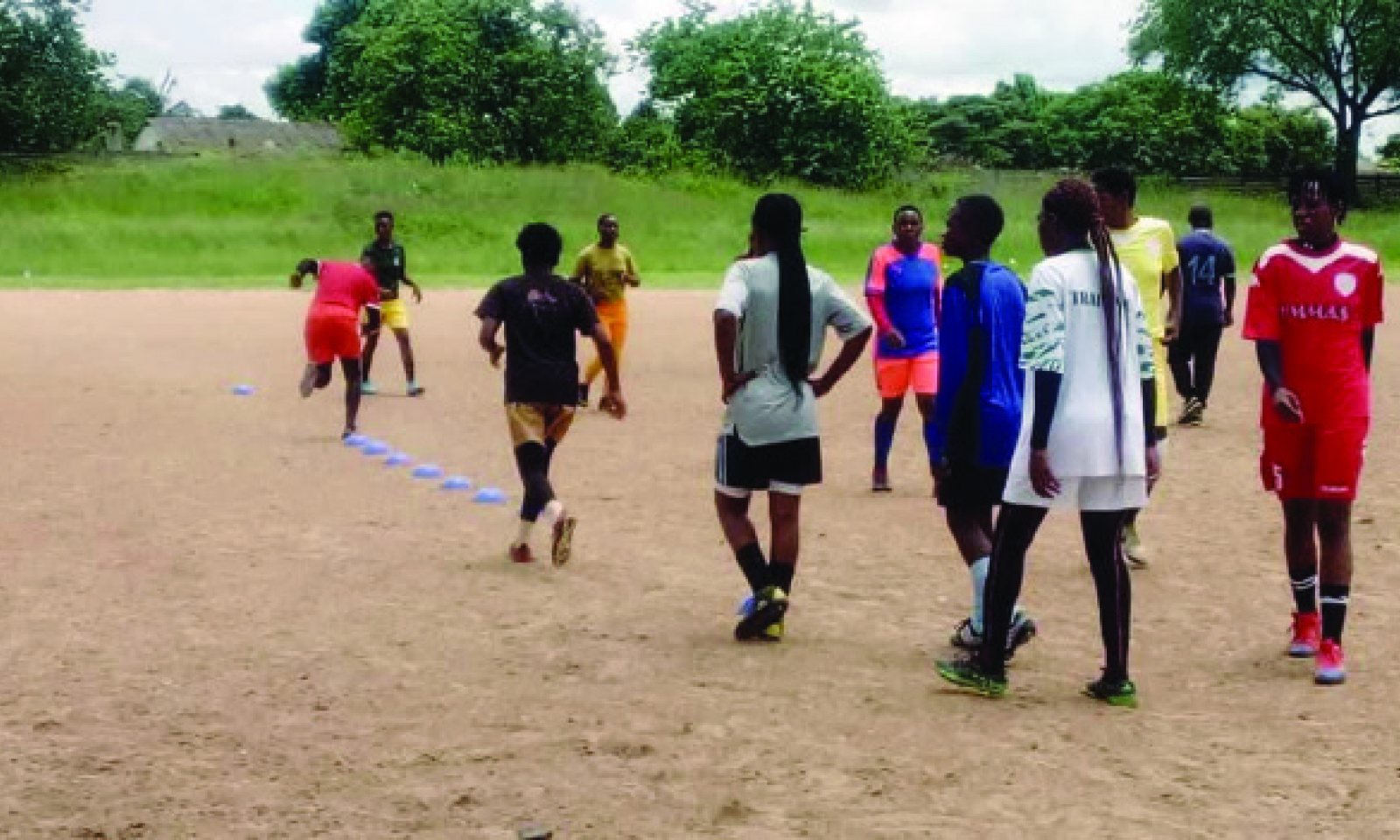
Veronica Gwaze
Zimpapers Sports Hub
IF walls could talk, Highfield’s old houses would sing their memories.
This Harare high-density suburb, the cradle of Zimbabwe’s liberation struggle, still carries whispers of clandestine meetings and anxious farewells that shaped the birth of a nation.
But Highfield has another soul.
Long after independence, the suburb pulsed with a different kind of energy — football — and its heartbeat were the Zimbabwe Grounds, or Mazigo, as the locals affectionately call it.
For decades, Mazigo was more than a football pitch.
It was a facility where barefoot kids turned into national heroes. Every weekend, dust clouds rose as young hopefuls chased dreams and scouts scoured for rough diamonds.
The roll of alumni is staggering.
Laban Kandi, Emmanuel Nyahuma, George Mandizvidza and Tendai Tanyanyiwa blazed the trail.
Then came goalkeeper Tapiwa Kapini, who started off in Mazigo, then joined Highlanders and had a decorated career in South Africa, sharing those early battles with brothers Noah and Itai.
Former Young Warriors captain David Sengu and his sibling Ronald learned the trade on the same rugged soil.
The Kadewere family added another glittering thread; international striker Tinotenda, his brother Prosper, the late Prince and their late father Onias all came through Mazigo.
Tinotenda now plies his trade with Aris in Greece, after stints in Sweden, France and Spain.
The list keeps unfolding — Ashley Rambanapasi, Alan Mapila, Victor and Tendai Mwanasanga, Roy Muchuchu, Brian Badza, Johane Mangiza, Leeroy Mavhunga and many more.
Their journeys stretched from Harare’s dusty lanes to Belgium and beyond.
Defenders like Nyasha Kanogoiwa, Magarika “Maga Dogg” Dzvairo, Canny Tongesayi, Oliver “Monitoring Force” Kateya and John Mbidzo gave local football its steel.
“As young boys, we used to play at Zimbabwe Grounds. It was an oasis of talent because teams converged here and we showcased skill,” recalls Sengu. “Players were made and toughened here while scouts and coaches flocked the grounds because this is a platform where they could get talent.”
Coaches and scouts such as Lloyd “Mablanyo” Chigowe, Kalisto Pasuwa, Lloyd Mutasa, Prince Kadewere, Expense Chitukutuku, Victor Mwanasanga, Takaendesa Jongwe and Newton Chitewe made Mazigo their hunting ground.
On a good weekend, the touchlines were crowded with talent spotters. To get noticed was simple: Play hard, play well and do it where the best eyes were watching. That system worked. Players were evaluated in real games where strength, composure and decision-making mattered as much as ball skills.
“We rarely missed,” says Chitewe. “Watching a youngster in the heat of competition told you more than any stats sheet could.”
Today, the famous grounds are almost unrecognisable.
The main pitch is pocked with weeds and bare patches. Some goalposts are gone, were stolen or left to rust. The terraces where hundreds once jostled for a view are empty most weekends.
“This isn’t just a blip,” Sengu says grimly. “It shows a huge deviation from the foundations that once nurtured exceptional skill and tactical discipline. I believe a lot of talent is still here, but most clubs no longer scout in the same manner. Coaches are now handed players at their doorstep, while others just sign for benefits, not talent.”
Former national team star Moses Chunga is equally blunt.
“Mazigo used to be a stage for young potential players to shine and convince clubs and academies. We used to go there in search of talent, but now we’ve shut that door, preferring easier scouting methods like videos or mere connections,” he said.
The consequences ripple beyond Highfield.
Zimbabwe’s early exit from the COSAFA Under-17 tournament last week underscored how far the grassroots system has fallen.
In the glory years, a teenage Kapini or Sengu would have been spotted and fast-tracked long before such tournaments.
Despite the decay, pride endures.
Highfield resident Farai Zinyemba remembers setting up a vending stall at the grounds in his youth.
“Most players went on to play in the PSL (Premier Soccer League), so I would follow them to Rufaro or National Sports Stadium,” he says. “It’s sad to see the grounds now in such a state. Local talent is dying. Reviving Mazigo could also help fight drug and substance abuse among the youth.”
The nostalgia is powerful because Mazigo was never just about sport.
It was where communities gathered, where rival suburbs clashed in fierce derbies, where dreams of Europe or South Africa were first whispered.
The roar of a Saturday crowd carried through the township, binding neighbours and inspiring younger kids to pick up a ball.
Several factors converged to dim that light. Economic hardships starved the Harare City Council of funds for maintenance.
Clubs began to rely on agents and video clips instead of live scouting.
There are other factors that have seen the youth being distracted — from internet cafes to street drugs.
“Most coaches are now handed players at their doorstep,” says Sengu. “Others just sign players for benefits, not talent.”
The result is a closed circle where familiar names rotate through clubs while unknown prospects languish.
Technology, while useful, has played a double role.
“Artificial intelligence has led to many unconvincing signings,” says Newton Chitewe. “We need to revisit some of the old methods. Watching players live, let us judge speed, strength, agility, ball control, tactical understanding, decision-making and work ethic, things statistics can miss.”
There is no shortage of ideas for revival.
ZIFA administrator Nicholas Zifa calls for joint maintenance programmes between clubs, local authorities and the corporate world.
“By establishing clear maintenance partnerships and a system for reporting and fixing issues, Zimbabwe Grounds can be revived,” he argues. “Many clubs and national teams benefitted from Mazigo, which makes it everyone’s responsibility to bring it back.”
Grassroots organisers want structured youth leagues and weekend tournaments to pull young players back to the pitch.
They believe restoring Mazigo could help fight drug abuse and rebuild community pride.
Some of Mazigo’s alumni are ready to help.
Coaches like Tutani and Chitewe speak of mentorship clinics and talent days.
“The ground itself is part of football history,” Chitewe says. “If we lose it, we lose a vital piece of our identity.”
The decline of Zimbabwe Grounds is more than a local tragedy.
It reflects a national pattern in which traditional breeding grounds for football talent, from Mufakose to Mabvuku, have been left to crumble.
Without them, the pipeline that once delivered teenage prodigies to the PSL and beyond dries up.