Online Reporter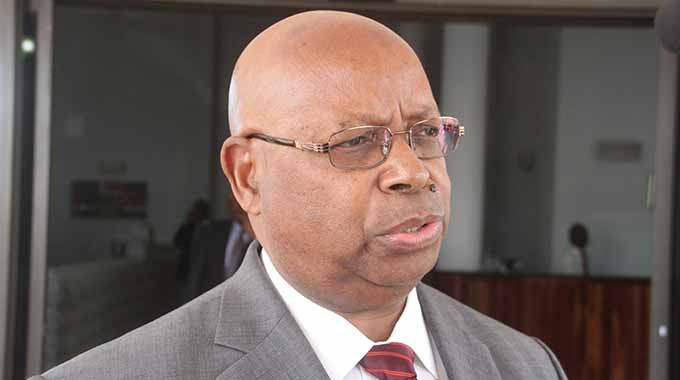
Nqobile Bhebhe, Zimpapers Business Hub
THE long-awaited Mines and Minerals Bill, which has been in the pipeline for the past nine years, finally had its first reading in Parliament on Thursday, marking a significant milestone in the country’s efforts to reform mining legislation.
The Bill, which was gazetted in June, has since been referred to the Parliamentary Legal Committee for further scrutiny.
It seeks to overhaul the colonial-era Mines and Minerals Act, which has guided the mining sector since 1961.
Speaker of Parliament Advocate Jacob Mudenda commended the Ministry of Mines and Mining Development for finally steering the legislation to the floor of the National Assembly.
“I must express my gratitude that, at last, after nine years of waiting since 2016, it has now happened. Well done, Ministry of Mines and Mining Development,” said Advocate Mudenda.
The Bill was presented by Deputy Minister of Mines and Mining Development, Dr Caleb Makwiranzou, who oversees oil and gas research along with the exploration of other strategic minerals.
The Bill, which has faced repeated delays over the past decade, introduces a comprehensive overhaul of the legal framework guiding the sector.
Key reforms include the establishment of a Mining Affairs Board, improved governance and transparency in the allocation of mining rights, enhanced environmental safeguards and formal recognition of small-scale miners.
The bill also addresses the acquisition and Registration of Mining Rights, prospecting and pegging on ground reserved against prospecting and pegging, exclusive exploration licence, mining leases, payments to local authorities and special grants among other key issues.
The bills also focus on strategic minerals, which are defined as any nuclear energy source material or other mineral deemed strategic by virtue of its importance to the economic, social, industrial or security interests of Zimbabwe.
Strategic minerals are defined as any nuclear energy source material or other mineral deemed essential to Zimbabwe’s economic, social, industrial, or security interests.
The tabling of the Bill signals renewed momentum in aligning Zimbabwe’s mining sector with international best practices while promoting inclusive and sustainable exploitation of its vast mineral resources.