Online Reporter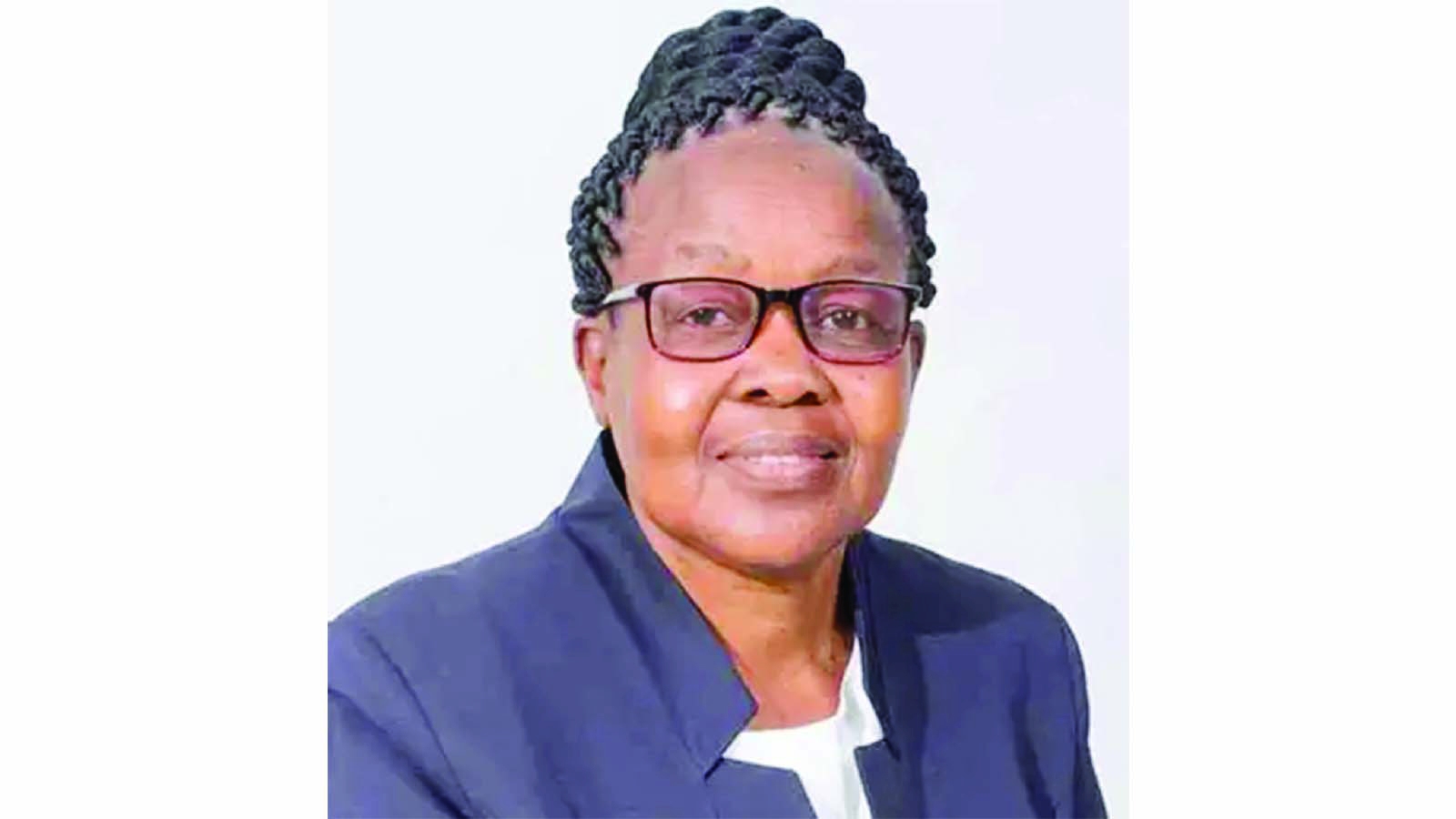
THE first reference to the audit of public monies was contained in the Southern Rhodesia Order in Council 1898 — Article 46 — which stated: “Provision shall be made for a full and sufficient audit once in every year of the accounts of the Company (British South Africa) relating to all sums received and monies expended by the company in connection with the administration of Southern Rhodesia.”
No indication was given as to who would do the audit and to whom he or she would report.
The Southern Rhodesia Order in Council of 1915 made provision for the appointment — by the Secretary of State — of the First Auditor-General of Southern Rhodesia.
The order clearly established his independence and conferred on him full powers of examination of all administrative revenue and expenditure, the disallowing of payments made without proper authority and of criticism after examination of accounts.
He did not, however, control issues from the Exchequer Account.
This is reflected in the report for the year ended March 31, 1915.
In 1924, to be exact, on August 22, following the granting of self-governing status to the colony, the Audit and Exchequer Act (6/24) was promulgated.
The Act provided for the independence of the Auditor-General (his appointment and dismissal by the Governor in Council), the annual examination of the Public Accounts, the duty to report to Parliament within nine months of the end of the financial year, his power to search all records, call upon officers to provide information, the power of surcharge and the control of issues from the Exchequer Account
From 1924 to 1947, all Auditors-General were military people.
In 1948, a new Audit and Exchequer Act (Chapter 144) was promulgated without major changes of principle affecting the audit function.
It did, however, introduce discretionary powers as to the degree of audits to be performed.
It also defined that with effect from April 1, 1949, all references to Auditors-General would be read as Controller and Auditor-General.
Second reference
The year 1953 saw the inception of the Federation of Rhodesia and Nyasaland.
The Audit Office assumed the role of state auditor of the federation.
It was now overseeing the audit of four territorial legislatures — namely, the Federal audit, Southern Rhodesia, Northern Rhodesia and the Nyasaland Legislative Council.
On January 1, 1964, the audit office reverted to being the Supreme Audit Institution of Rhodesia.
The unilateral declaration of independence in 1965 did not affect any major structural changes.
The word Controller was changed to Comptroller to include the function of the authorisation of issuance of money from the Exchequer Account to the Paymaster-General’s Account, referred to as the Grant of credit.
Up to September 30, 1978, the office was an all-white organisation.
On October 1, 1978, the first blacks were recruited. One of the members of the group was Mr S. A. Mzondo, who held the post of Deputy Auditor-General on his retirement in 2009.
In 1979, for the first time, the appointment, functions and powers of the Comptroller and Auditor-General were incorporated into the Zimbabwe-Rhodesia Constitution and remain in the Zimbabwe Constitution.
Independence
The independence of the Comptroller and Auditor-General is specifically provided for by Section 106(6), which states: “In the exercise of his functions under subsections (1), (2), (3) and (4), the Comptroller and Auditor-General shall not be subject to the direction or control of any person or authority other than the Parliament of Zimbabwe.”
With the advent of Zimbabwe’s independence, there were no major structural changes in the audit setup, with Mr J. A. Dean, who was the Comptroller and Auditor-General, continuing in office up to 1981.
In 1981, Mr J. A. K. Prowse succeeded Mr J. A. Dean and Mr J. N. Hilligan succeeded Mr Prowse in 1983. In 1987, the first black Comptroller and Auditor-General, Mr A. E. Harid, was appointed and he remained in office until 2004.
In 1993, the Office of the Comptroller and Auditor-General successfully hosted the VIII Commonwealth Auditors’-General Conference.
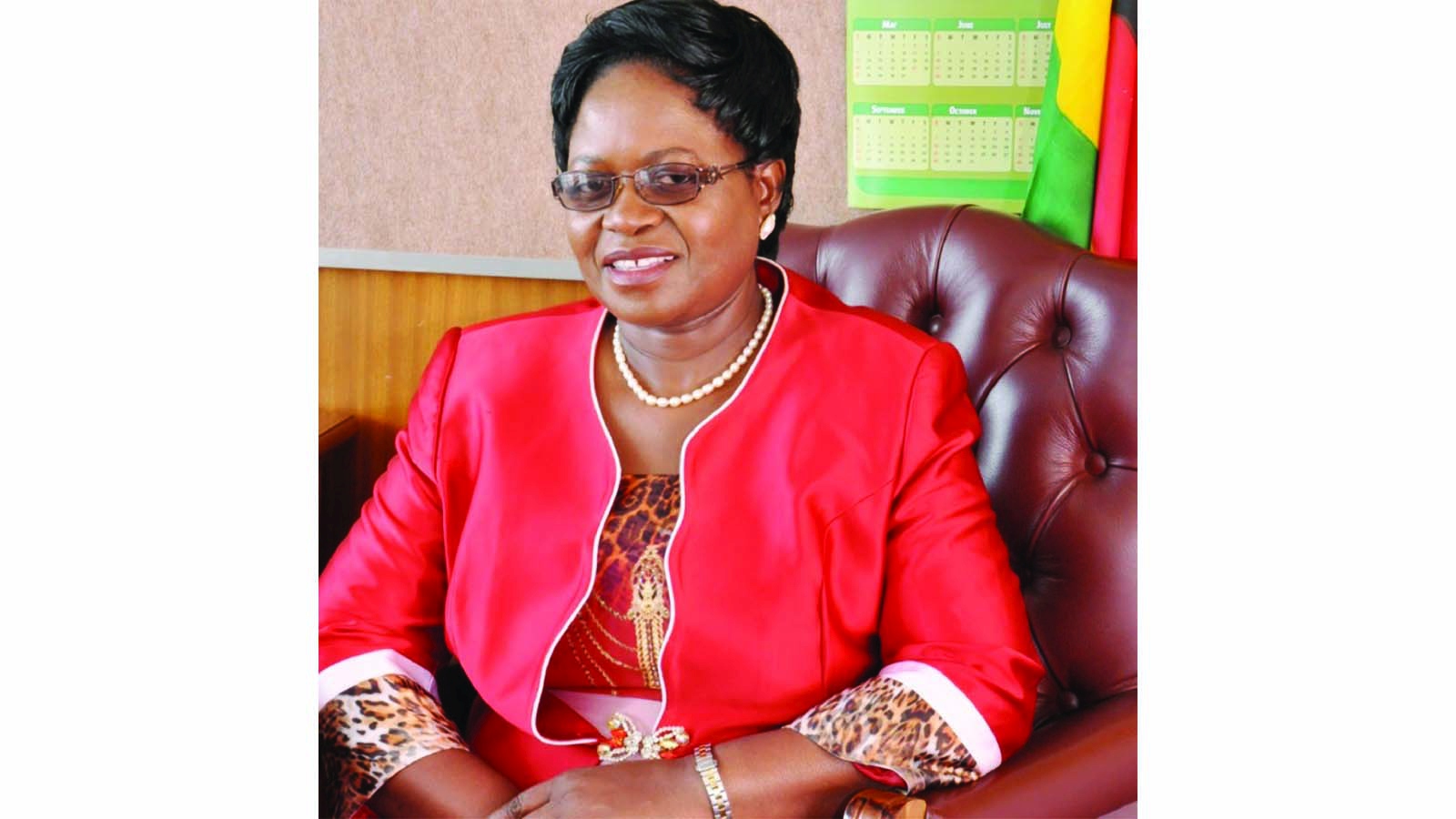
The first female black Comptroller and Auditor-General, Mrs M. Chiri, was appointed in 2004 and Ms Rheah Kujinga was appointed acting Auditor-General until Mrs Vimbai Chikwenhere was appointed Auditor-General in May 2026.

Legislative milestones
Legislative milestones after Zimbabwe’s independence:
In 1989, there was an amendment to the Audit and Exchequer Act Chapter to allow Value for Money (VFM) audits focusing on the 3 Es, which are economy, efficiency and effectiveness.
In 1993, there was an amendment number 5 to the Audit and Exchequer Act (Chapter 22:04) conferring the authority to the Comptroller and Auditor-General to be the auditor of every designated corporate body.
In 2006, a draft Audit Office Bill was submitted to the Minister of Finance after examination by the Ministry of Justice, Legal and Parliamentary Affairs. The draft Bill included the provision for the Office of the Comptroller and Auditor-General to attain an autonomous status.
The Bill was gazetted on October 2, 2009. On December 8, 2009, the Bill was passed by the House of Assembly.
On December 16, 2009, the Bill was passed by the Senate, ready for Presidential assent.
In March 2010, the Bill was given assent by His Excellency to become an Act of Parliament, Audit Office Act.
On April 1, 2011, the Audit Office Act came into operation.
On April 20, 2011, the Comptroller and Auditor-General launched the coming into operation of the Audit Office Act (Chapter 22:18).


 Bongani Ndlovu