Online Reporter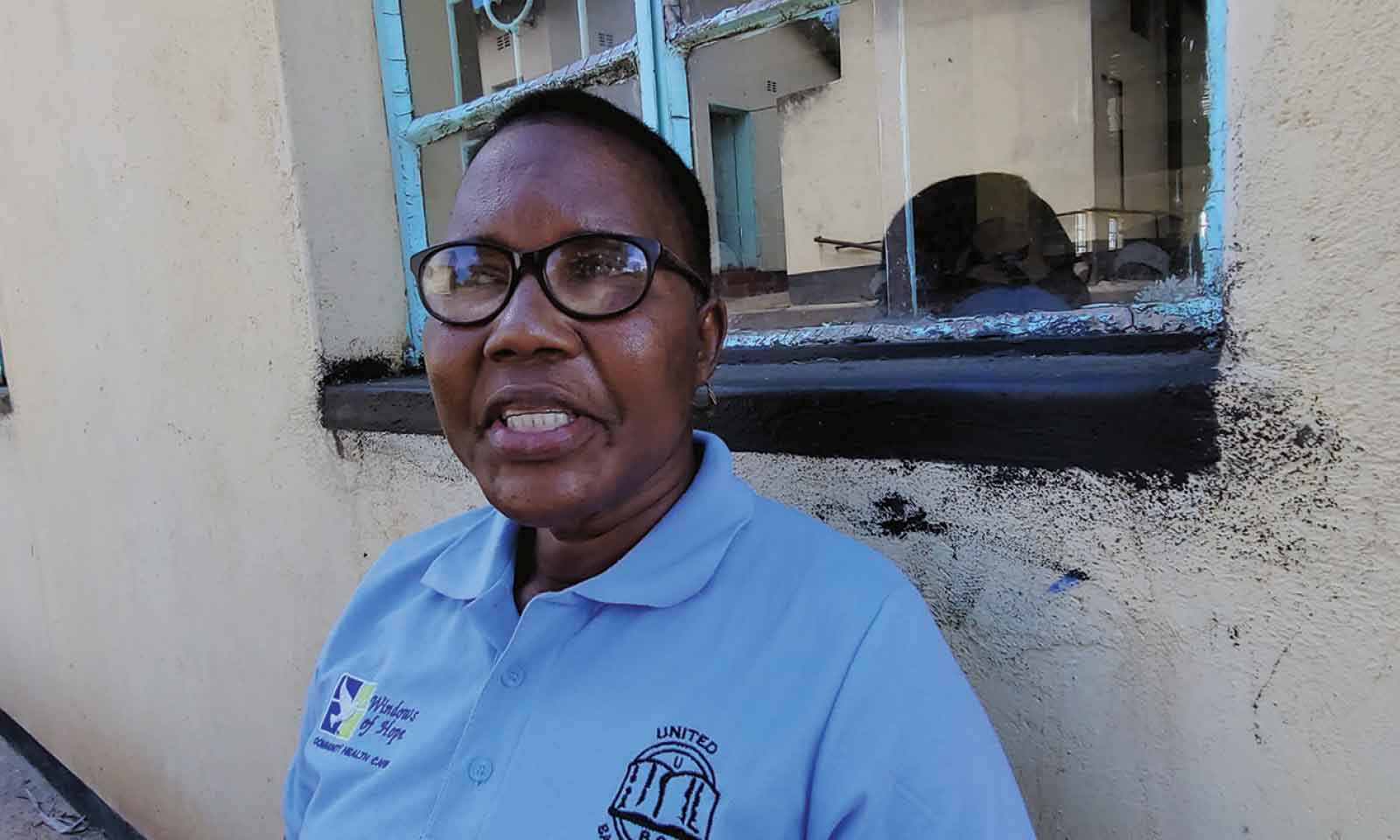
Tendai Gukutikwa
Health Reporter
TO improve food security, household stability and adherence to antiretroviral therapy, women living with HIV in the city have resorted to forming a Internal Savings and Lending (ISAL) group.
With support from Windows of Hope, a faith-based organisation operating under the Ministry of Health and Child Care, the initiative brings together HIV-positive women who contribute savings regularly and later share groceries, food, household utensils or cash, depending on the group’s needs at the end of the saving cycle.
In an interview, Sister Barbra Mtisi of Windows of Hope, said the programme addresses socio-economic challenges that often undermine HIV treatment outcomes.
She said the ISAL model was introduced as part of broader HIV support programmes being implemented across Manicaland Province.
“We have support groups of people living with HIV across the province where we meet regularly to empower them. The women meet and run ISAL savings where they save money and later share groceries, food, utensils or sometimes cash at the end of the year,” Sister Mtisi said.
She said the programme was designed to reduce dependency and promote self-sufficiency among women living with HIV.
“We are empowering them so that they are not reduced to beggars in the eyes of society. They must be able to work for themselves and take care of their families,” she said.
Sister Mtisi said Windows of Hope works in close collaboration with the Ministry of Health and Child Care, and operates HIV-positive support groups in Sakubva, Dangamvura and Hobhouse, among other areas across the province.
“Our role is to complement Government efforts by addressing issues that affect treatment adherence,” she said.
She said food insecurity remains a major challenge among people living with HIV, particularly women who shoulder most household responsibilities.
“When people do not have adequate food, adherence becomes a challenge. Now that these women are saving together, they can afford the food they want, including healthy food, which supports proper adherence to medication,” said Sister Mtisi.
She said improved access to food has resulted in better health outcomes among group members.
“They are now able to take their medication on time because they are eating properly,” she said.
Sister Mtisi added that the organisation also supports members who suffer from other chronic conditions.
“Some of the women have conditions like hypertension and other chronic illnesses. As Windows of Hope, we assist them by providing free medication for some of these diseases and linking them to health facilities,” she said.
She said such community-based economic initiatives play a critical role in HIV management.
“Research has shown that food insecurity and poverty are linked to missed doses, defaulting on treatment and increased vulnerability to opportunistic infections. The ISAL approach aligns with national HIV strategies that emphasise community involvement.
“The Ministry of Health and Child Care recognises that health outcomes are influenced by social and economic factors. That is why programmes like these are important,” she said.
Sister Mtisi said faith-based organisations remain key partners in reaching vulnerable communities.
“We operate at grassroots level, where challenges are most visible. People are more open to discussing issues like stigma, disclosure and adherence in support group settings,” Sister Mtisi said.
Windows of Hope said it intends to strengthen and expand ISAL initiatives within existing HIV support groups in the province.
“Our focus is sustainability. When women are economically empowered, their health improves,” said Sister Mtisi.
Mrs Gladys Mudzingenyama, a caregiver with the Dangamvura HIV support group, said the ISAL initiative has helped stabilise households that were previously struggling.
“Before we started this savings group, many women had serious challenges. Some could not afford food, and that affected how they took their medication,” said Mrs Mudzingenyama.
She said the group meets regularly to collect savings and discuss issues affecting members.
“We save small amounts consistently, and at the end of the year we share groceries or money. This helps families survive, especially during difficult times,” she said.
Mrs Mudzingenyama said the initiative had also reduced reliance on external assistance.
“We are no longer waiting for hand-outs. We are helping ourselves,” she said.
She said participation in the ISAL group had improved members’ confidence and decision-making.
“Women are now able to plan for their households. They can buy food, basic household items and meet some school-related expenses,” she said.
Mrs Mudzingenyama said the Dangamvura group also uses its meetings to encourage members to seek medical care early and follow treatment guidelines.
“We remind each other to attend clinic appointments and to take medication correctly,” she said.
She said stigma remains an issue, but group support has helped members cope.
“Being in a group gives strength. Women feel supported and encouraged,” said Mrs Mudzingenyama.