admin
admin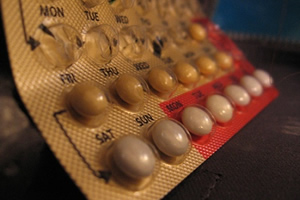
feared the contraceptive was likely to expose users to HIV infection.
South African researcher Dr Helen Rees said in countries where maternal mortality is high and the use of hormonal contraceptives is also high; they should be cautious in making a decision on stopping or continuing with the use of hormonal contraceptives as they might do more harm than good.
Dr Rees, who is the executive director of Wits Reproductive Health and HIV Institute, however, said for countries where maternal mortality is low but the use of hormonal contraceptive use is high, there will not be any point to continue using an intervention that is likely to increase the risk of women to contracting HIV.
“Contraceptives are just like any other medicines with side effects but for hormonal contraceptives I think its time to move away from the high dose hormonal contraceptive to low dose contraceptives,” Dr Rees said.
Dr Rees said in South Africa, they are planning to cautiously phase out depo provera and introduce other alternatives of contraceptives with lower doses.
Some of the alternatives include re-introduction of (Intrauterine device) IUDs and promotion of condom use.
According to a research study published in The Lancet, a medical journal, the use of hormonal contraceptives such as injectables, doubled the risk of uninfected women acquiring HIV.
In Zimbabwe, hormonal contraceptives including the pill and injectables are used by between 150 000 to 200 000 women annually.
The most common injectable contraceptive method is Depo Provera, a hormone administered every three months.
The study also revealed that the chances of males contracting HIV doubled if their partners were HIV positive and on these injectables.
However, the World Health Organisation with experts advice recommended that women continue using hormonal contraceptives as the benefits outweighs the fears.
Following this announcement from WHO, microbicides researchers looked at the contraception and HIV risk among their participants.
“If there is one conclusion to be made from our analysis, as well as the other studies to date, it is that there are no clear answers about hormonal contraception and HIV risk,” Dr Zvavahera Mike Chirenje said.
Dr Chirenje said, according to a review of data from one of their studies, use of hormonal contraceptives coupled with diagnosis of either gonorrhea or chlamydia was associated with significant greater risk of HIV infection.
According to the Joint United Nations Programme on HIV and Aids (UNAids) people who are sexually active should have full access to information and counselling about their sexual and reproductive health needs.
The level of unmet family planning needs among the 1.18 billion women aged 15–49 worldwide is estimated to be 11 percent.
While a range of contraceptives protects against unintended pregnancies, only condoms, male and female, provide dual protection by stopping HIV transmission and preventing unintended pregnancies.



 Online Reporter