Online Reporter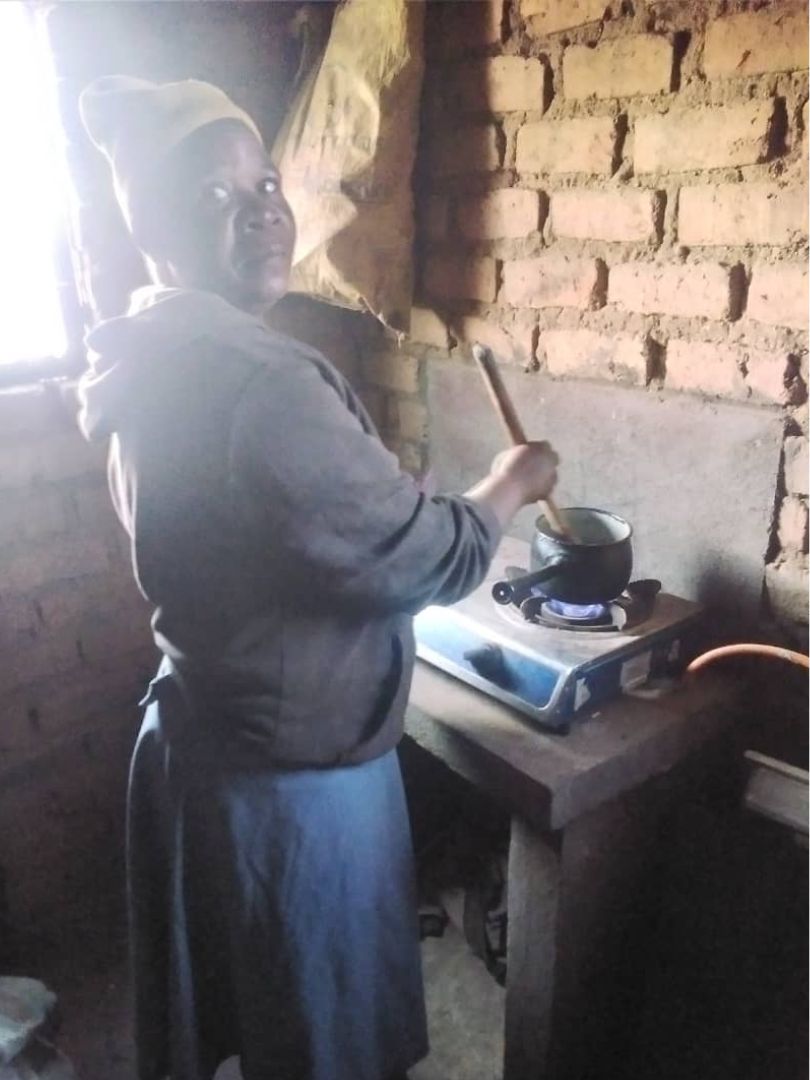
Gibson Mhaka Senior Features Writer
EVERY day, scores of women and girls in Wanezi’s Ward 9, under Chief Maduna in Insiza District, Matabeleland South Province, embark on the same arduous journey, driven not by choice but by necessity.
For generations, the rhythm of daily life has been defined by a chore as old as the village itself — the search for firewood.
It is a gruelling task that falls overwhelmingly on the shoulders of women and girls, who must secure fuel for cooking while juggling a host of other household responsibilities.
As nearby woodlands have steadily receded, the burden has become even more severe.
What was once a relatively short walk has evolved into hours of trekking across rugged terrain, forcing women and girls deeper into isolated mountains, dense forests and remote grazing lands in search of dwindling supplies of firewood.
The longer journeys come at a heavy cost. Beyond the physical exhaustion of carrying heavy bundles over long distances, they expose women and girls to heightened risks of violence, harassment and other forms of abuse in secluded areas.
“Every day, together with our daughters, we walk long distances into isolated mountains, dense forests and remote grazing lands. We have to go because we have no choice,” said Mrs Chambika Nyamungana, wiping beads of sweat from her face after returning from yet another exhausting search for firewood.
Her experience reflects the reality confronting scores of rural women across Zimbabwe, where dependence on firewood continues to drive deforestation while trapping families in energy poverty.
The daily search for firewood is far more than a household chore, it is an invisible burden that consumes valuable time, drains physical strength and exposes women and girls to dangers that often go unnoticed.
It is the hidden price many rural families continue to pay just to prepare a meal.
A quiet energy revolution is however beginning to change that story in Wanezi.
For Mrs Nyamungana, the turning point came when her household was among the 33 households selected to benefit from a biogas digester installed under the Climate Adaptation, Water and Energy Project (CAWEP), funded by the United Kingdom Government and implemented by the United Nations Development Programme (UNDP) in partnership with the Government of Zimbabwe.
Today, the smoke-filled kitchen that once defined her daily life has been replaced by the clean blue flame of a biogas stove.
More importantly, the long and often dangerous journeys in search of firewood have become a thing of the past.
“I no longer have to send my children to collect firewood,” she said.
“That alone gives me peace. I know they are safe at home, and I no longer spend every day worrying whether they will return safely.”
Another beneficiary, Mrs Ellen Dube, recalls spending up to four hours each day with her daughter collecting firewood from nearby hills before preparing meals for her family.
Since receiving a biogas digester, those long, exhausting journeys have become a thing of the past.
“Now it is much easier. When I wake up in the morning, I simply light a match and start cooking,” she said.
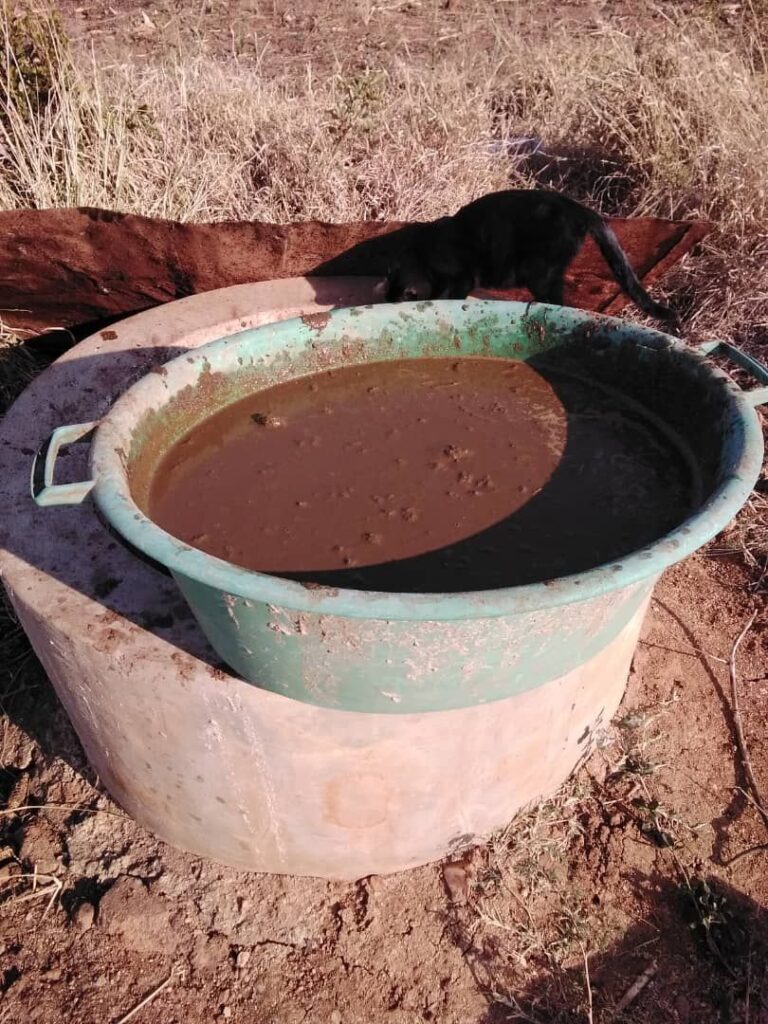
Using livestock manure, the biogas digester produces methane gas for cooking while generating nutrient-rich organic slurry used as fertiliser.
What began as an environmental intervention has evolved into a powerful tool for improving rural livelihoods.
Families spend less time collecting firewood, save money previously spent on fuel, enjoy cleaner kitchens with less indoor air pollution and crucially, reduce pressure on forests that have long supplied household energy.
According to the Forestry Commission, Zimbabwe loses an estimated 262 000 hectares of forest annually, with household demand for firewood remaining one of the principal drivers of deforestation.
For rural households, which account for 67 percent of the population, access to electricity remains limited, making wood fuel the primary source of household energy.
As forests shrink, communities are forced to travel even further in search of firewood, creating a destructive cycle that threatens biodiversity, accelerates land degradation and worsens the effects of climate change. Biogas offers a practical way of breaking that cycle.
By converting livestock manure and other organic waste into clean cooking fuel, households significantly reduce their dependence on firewood, easing pressure on indigenous forests while promoting sustainable management of natural resources.
The CAWEP initiative recognises that clean energy is not simply an environmental issue.
It is equally a social and economic intervention.
Through practical training, communities learn how to operate and maintain biogas digesters while using the organic slurry to improve soil fertility and agricultural productivity.
The technology is helping build circular rural economies where livestock waste becomes a valuable resource rather than an environmental burden.
Women, in particular, are emerging as the biggest beneficiaries.
Freed from spending hours collecting firewood, many now have more time for farming, income-generating activities and caring for their families.
The reduction in indoor smoke also lowers the risk of respiratory illnesses associated with traditional cooking methods.
UNDP Zimbabwe Resident Representative Dr Ayodele Odusola said the project demonstrates how integrated investments in water, energy and agriculture can transform vulnerable communities while also advancing forest conservation.
“By strengthening access to climate-resilient infrastructure, we are enabling vulnerable populations to adapt, thrive and build sustainable livelihoods.
“By reducing dependence on firewood through clean energy technologies such as biogas, we are also protecting forests, strengthening climate resilience and safeguarding natural resources for future generations,” he said.
A similar initiative is also being spearheaded by the Rural Electrification Agency (REA) in Tshitulipasi, Beitbridge, where 26 biogas digesters have been constructed under the agency’s rural energy development programme.
The project is helping households transition to clean, renewable energy while easing pressure on forests and advancing sustainable natural resource management.
Speaking during the commissioning of 25 biogas digesters in Tshitulipasi, Energy and Power Development Minister July Moyo said the transition from firewood to renewable energy was critical to protecting Zimbabwe’s forests while improving rural livelihoods.
“Clean energy technologies offer practical alternatives that conserve the environment, strengthen household resilience and contribute to sustainable national development,” he said.
Research has shown that biogas supports sustainable forestry management by reducing dependence on firewood, thereby helping to conserve forests and promote cleaner, renewable energy.
Biogas expert and consultant Mr Blessing Jonga said communities that have embraced the technology were already recording significant environmental, economic and social benefits.
“The biggest impact has been a sharp reduction in firewood use, which eases pressure on forests while improving indoor air quality,” he said.
Beyond providing clean cooking energy, Mr Jonga said biogas digesters also produce nutrient-rich organic slurry that improves soil fertility and reduces farmers’ dependence on expensive chemical fertilisers.
“Women and children are spending far less time collecting firewood, allowing them to focus on education, farming and other income-generating activities,” he said. However, he said widespread adoption of biogas still faces obstacles.
“The biggest challenge remains the high initial installation cost and limited public awareness.
“Affordable financing, stronger extension services and supportive Government policies are essential if we are to scale up the technology,” said Mr Jonga.
The Forestry Commission of Zimbabwe believes expanding access to alternative energy technologies will play a critical role in safeguarding the country’s indigenous forests.
Forestry Commission Information and Communications Manager Ms Violet Makoto said demonstration projects had already shown that biogas could transform rural livelihoods while reducing dependence on firewood.
“We have seen communities benefiting almost immediately because households no longer have to travel long distances to collect firewood. At the same time, surrounding forests are beginning to regenerate,” she said.
Although energy supply falls outside the commission’s mandate, Ms Makoto said the institution remained an interested stakeholder as electricity shortages often force communities to depend on forests for fuel.
“When affordable alternatives such as biogas become available, pressure on forests declines significantly. We therefore support efforts by the Government and its partners to expand access to clean energy technologies,” she said.
Ms Makoto added that wider access to affordable alternative energy sources would allow Zimbabwe’s forests to continue performing their critical environmental functions while supporting sustainable development.
Environmentalist Mr Liberty Dube said the benefits of biogas extend well beyond forest conservation.
“Biogas captures methane that would otherwise escape into the atmosphere and converts it into clean energy, reducing greenhouse gas emissions,” he said.
“It also transforms organic waste into a valuable resource, improves sanitation, reduces pollution and produces organic fertiliser that enhances soil health.”
He said widespread adoption of biogas would significantly reduce dependence on firewood while lowering Zimbabwe’s environmental footprint.
For families in Wanezi and Tshitulipasi, biogas has become far more than an alternative source of energy.
It has restored time, improved health, strengthened household livelihoods and reduced pressure on forests that future generations depend upon.
In the process, a simple technology powered by livestock waste is quietly demonstrating that Zimbabwe’s fight against deforestation does not begin in the forest. It begins in the kitchen.