


 Vusumuzi Dube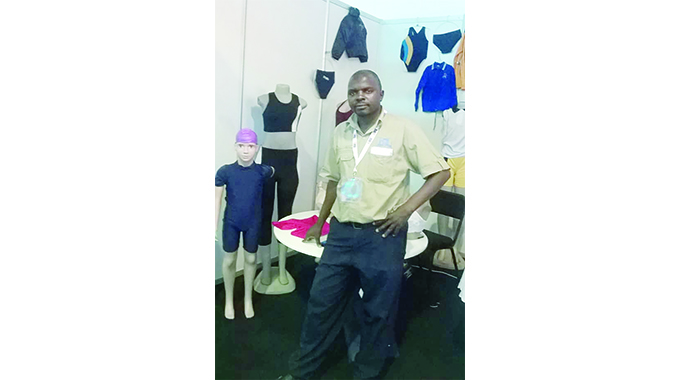
Robin Muchetu, Senior Reporter
SOMETIMES one needs to get out of a supposed comfort zone to be able to think outside the box, explore other opportunities around them and discover their full potential.
The false comfort of getting a salary every month has confined many to perpetual servitude of their employers who never give them enough and where they seldom rise above the constraints of poverty to leave a legacy for their families.
Stories of most successful people are, however, not a garden stroll. They are often dismissed as motivation fallacies that are divorced from reality mostly because a number of businesspeople never voluntarily went into their various ventures, they were forced by uncomfortable circumstances at some stage in their lives to start the enterprises.

This is true of a Bulawayo duo of Mr David Dube and Mr Herikanos Gwaindepi who after being retrenched from a clothing manufacturing company in 2003, where they made lingerie decided to start their own venture.
Theirs is a story of sacrifice, dedication, focus and patience.
The two colleagues were armed with the skills and experience gained over the years and were not ready to go back to the village and be idle. They were young and able and they had families that looked up to them for upkeep.
The duo manufactures lingerie mainly ladies’ brassieres (bras) and breast-feeding bras that they were initially selling around Bulawayo’s high-density areas before opening up an outlet.
“We started this business in 2003 after we were retrenched from the clothing industry, we were working for — Harven Manufacturers. In 2005 we decided to register a company, High Density Investments so that we could supply retail shops who were attracted to our products,” said Mr Gwaindepi in an interview.
Because the duo did not have any capital when they started their small business, they picked unwanted offcuts from the company that had retrenched them and joined them to make ladies underwear and bras using rented machines.

Just like many Small to Medium Enterprises (SMEs), Mr Gwaindepi and Mr Dube failed to secure loans for their start-up.
“We tried to get SMEs loans and youth development funds but failed, we even tried Kurera/Ukondla Youth Fund which was under Old Mutual, by then we were youths but we were unsuccessful.
“Banks wanted collateral in the form of movable assets which we did not have then. So, we just learned to plough back our little profits into the business to grow,” he said.
The two would travel to Gweru, Kwekwe, Kadoma, Chegutu up to Harare and sometimes crossed the border into Botswana looking for markets for their products.
“The demand for our products grew over time but with the small machines we were using it was difficult to meet the demand. It then became difficult to raise money to buy more machines due to inflation then, so we decided to leave the country for South Africa in 2007. There, we managed to get employment and started saving money to purchase industrial machines. We worked for five years buying machines and in 2012 we came back into the country and resuscitated the business,” said Mr Gwaindepi.
The main challenge besides funding which they failed to secure was experiencing an influx of cheap and substandard imported clothing.
“We are facing unfair competition from second-hand clothes that are imported illegally into the country.

There are a lot of these clothes that have flooded the market. People never used to prefer second-hand lingerie but now they no longer care, it’s the price that matter to many.
“The other challenge is high production cost, doing production with foreign currency makes our products so expensive to compete with goods made in other countries, mostly in Asia. Again, 95 percent of our materials are imported and that makes it difficult for us because of scarcity of foreign currency,” added Mr Gwaindepi.
He said small and even large clothing manufacturing companies would benefit if more textile industries were opened so that businesses could access their materials cheaper, locally.
Furthermore, he called on the Government to limit some imports as well as control the influx of second-hand clothing into the country since locals have the capacity to produce their own.
Mr Gwaindepi said the company started with two people who were doing all the work such as cutting, tailoring, ironing and packing but it has slowly grown to employ seven permanent staffers. He said they hire more people whenever there is a high workload since there are times when they get big orders.
The company has also diversified and now manufactures sports kits for schools such as soccer, cricket, and athletics kits together with swimming costumes, swimming trunks and tracksuits.
“We also manufacture active wear for gymnastics among other things, our aim is to grow a very big company that will manufacture for the country then continent and the world. We want our brand to compete on an international level and to achieve that we need to have some more modern machines,” added Mr Gwaindepi.
He said as part of their corporate social responsibility they have managed to sponsor a six school cricket tournament at Saint Thomas Aquinas Junior School among other small ways of giving back to the community that has supported them all the way.
@NyembeziMu


 Bongani Ndlovu
 Online Reporter