Online Reporter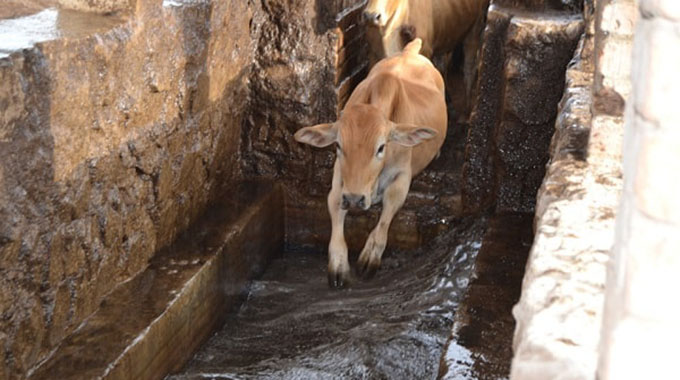
Faith Ndlovu, Sunday News Reporter
FARMERS in Hwange District, Matabeleland North Province are appealing to the Government for the construction of additional dip tanks to safeguard their livestock against tick-borne diseases, particularly during the rainy season.
Dip tanks play a critical role in maintaining livestock health, especially during the wet months when diseases like theileriosis, commonly known as January Disease, are most prevalent. However, villagers in areas such as Jambezi are struggling to access these essential facilities due to long travel distances to the nearest operational dip tanks.
A farmer from Chikandakubi village, Mr Fibion Nyoni, said the lack of nearby dip tanks poses a serious risk to livestock.
“The situation is disheartening. Some of the dip tanks in the area were built before 1980 and are now in a dilapidated state. The long distances we travel to access the few functioning dip tanks not only inconvenience farmers but also facilitate the spread of diseases,” he said.
Another communal farmer from Simadubwi village, who requested anonymity, echoed these concerns.
“We are forced to trek long distances weekly for dipping sessions. This strains the animals, reduces their condition and increases the likelihood of disease outbreaks. In some cases, livestock go missing or cause environmental damage along the way,” she said.
Hwange District Veterinary Officer, Dr Zanele Matatu, acknowledged the challenges faced by farmers.
“We currently have 51 dip tanks in Hwange District, with two more under construction. However, some areas remain underserved due to the distances cattle must travel. According to Government policy, the establishment of new dip tanks is subject to a minimum number of cattle in the area,” she said.
Dr Matatu said while some communities do not meet this threshold, they are making efforts to request exceptions in areas with dire needs.
She added that the two new dip tanks under construction are expected to be completed by mid-year.
Dr Matatu emphasised that disease prevention is just as important as increasing the number of livestock.
“Building the herd means not just breeding more cattle but ensuring they survive. Dipping, vaccinations and proper veterinary care are essential to reaching our national targets,” she said.
To combat tick-borne diseases, the Government has been rehabilitating dip tanks across the country. Between 2016 and 2019, such diseases claimed the lives of over 500 000 cattle. In response, more than 3000 of the country’s 4 000 dip tanks have since been repaired, with an additional 500 targeted for rehabilitation this year.
These efforts are part of the Second Republic’s broader strategy to rebuild the national beef herd, which has been adversely affected by disease outbreaks and the El Nino-induced drought.
Zimbabwe aims to grow the national herd to six million under the Agricultural Growth Recovery Plan to meet local demand for meat and dairy and eventually resume exports.
In addition to infrastructure development, the Government has rolled out a nationwide blitz tick-grease programme, under the Presidential Inputs Scheme, which has proven effective in controlling January Disease and will continue this season.