Online Reporter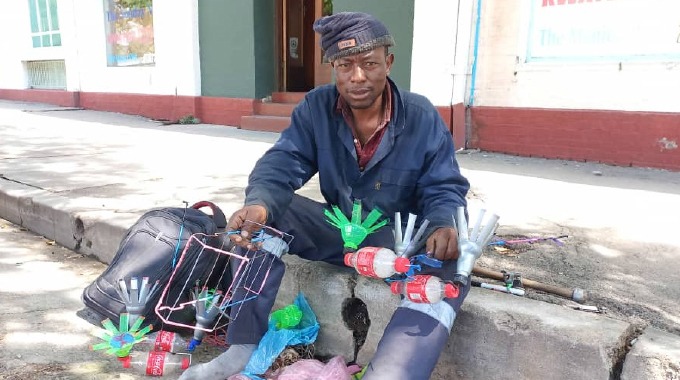
Langalakhe Mabena, Zimpapers Arts and Entertainment Hub
GROWING up in the thickets of Nkayi in Matabeleland North, a young Maqhawe Mpofu became known for his special gift — creating wire cars, a popular toy-making hobby, cherished by many Zimbabwean boys.
His family’s homestead was always buzzing with children from the community, either coming to play or to learn the craft from Maqhawe. Some even bought the toys from him.
“Growing up in Nkayi, I was a creative young man and I created cars using wires. In most cases, young boys in our area used to play at our homestead as I taught them how to build a car with wires. This is a natural talent I have possessed since I was a child,” said Mpofu.
As he got older, Mpofu moved to Bulawayo, diving into the hustle and bustle of city life in search of better opportunities. He soon found work as a tout at the eRenkini bus terminus, a gig that helped him earn some income, which he used to obtain his Class Four driver’s licence.
“When I relocated to Bulawayo, I got lucky to find a place (eRenkini) where I did my side hustle. As a man on a mission, I used the money I got from the part-time job and started practicing for my Class Four driver’s licence.
“When I became a qualified driver, I worked with various taxi companies as a driver. However, around 2023, I became seriously sick and I couldn’t drive anymore,” said Mpofu.
After recovering from his illness, Mpofu had a dream in which he was playing with children and making wire cars for them. Inspired by the dream, he began crafting motorbikes and cars using recyclable materials such as plastic bottles, plastic lids and wire, initially just to pass time.
What began as a simple pastime turned into a profitable small business, as children quickly took a liking for his creations and persuaded their parents to buy the toys.
“Young kids love the toys I make. I collect empty plastic bottles and get creative, turning them into motorbikes and cars. A motorbike costs US$1, while the cars range from US$3 to US$5. People buy these products, especially the motorbikes. I won’t lie, sometimes when parents are with their kids in town and they see me, they end up buying a motorbike ‘by force’ because the child won’t stop crying until they get one.”
“If the business is good, in a day, I can generate US$15 through selling these products, apart from repairing damaged ones,” he said.
Due to growing demand, Mpofu has set up a temporary base in the city where he fixes and sells his creations in different spots.
“The spots where my market frequents are by the City Hall, where most kids are dropped by buses from their respective schools before they connect to their homes. I also target fast food outlets, especially near TM Hyper and Tredgold Building,” said Mpofu.
Thanks to the work of his hands, Mpofu, now 43 years old, can provide for his wife and three children, two boys and a girl.
“I stay in Pumula South with my wife and our three children. She does piece jobs while I create and sell these products. Together, we complement each other with the little we have. We have a decent shelter, and we can take our kids to school,” said Mpofu.