Chronicle Editor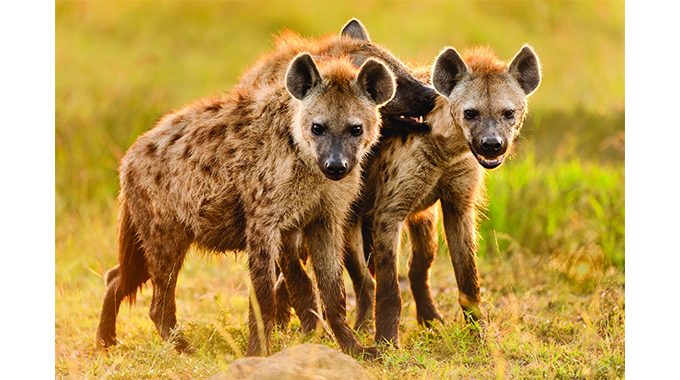
Yoliswa Dube-Moyo, Matabeleland South Bureau Chief
Hyenas that are on the prowl in Gwanda district are forcing some farmers to sell their livestock as human-wildlife conflict rages.
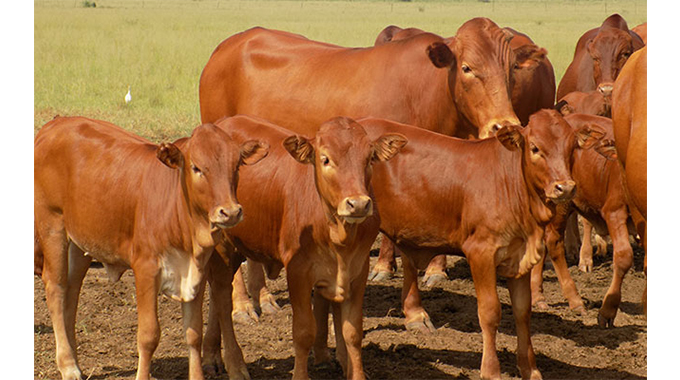
Farmers are losing cattle to hyenas, resulting in insurmountable losses.
Some farmers from Reata Farm said they had resorted to selling their livestock to avoid disappointment when hyenas pounce on their beasts.
“If one of your animals doesn’t return from grazing in the evening, you’re almost guaranteed that you’ll never see the animal alive again. Hyenas are attacking our beasts which is forcing us to sell them instead of suffering losses from their death,” said Mr Rapulana Ramakgopa.
He said he was now old and couldn’t handle the stress of dealing with missing cattle.
“The only solution for peace of mind is letting go of the cattle and getting money out of them. At least I would’ve benefitted something, instead of losing my investment to hyenas,” said Mr Ramakgopa.
Another farmer from the area, Mr Henry Nare said it was pointless to continue rearing livestock amid wildlife.
“We’ve been fighting a losing battle and there’s no other way out but selling the livestock. It is better to focus on cultivating crops and keeping chickens, rabbits and so forth, which are safely kept. Our cattle go missing every other day because of hyenas so it’s better to dispose of them instead of fighting against the tide,” said Mr Nare.
He said maize, sweet potatoes and sorghum grow well in the area and could be a more viable agricultural venture.
“We’ve called on a number of relevant authorities to assist to no avail. It seems the wildlife problem is here to stay so the only way to reduce the impact it to sell the livestock and focus on producing crops,” said Mr Nare.
A 250 000 euro fund is set to be released to support communities living within the Greater Mapungubwe Transfrontier Conservation Area (GMTCA) to cushion their livelihoods as efforts to manage human-wildlife conflict continue.
The GMTCA encompasses land in Botswana, South Africa and Zimbabwe.
In Zimbabwe, Gwanda and Beitbridge districts make up part of the GMTCA and surrounding communities rely on livestock rearing and agriculture for their livelihoods.
Competition between game and livestock has increased, contributing to an escalating level of human-wildlife conflict.
Climate change impacts have also resulted in significant decreases in crop yields and available grazing areas for livestock, linked to decreasing rainfall.
Gwanda Rural District Council environmental officer Mr Sijabuliso Masango said the fund focuses on communities which live around parks as they are encouraged to conserve wildlife.
“It’ll be focused on Wards 16, 19, 20 and 24 which surround the park. It’s going to cover both Gwanda and Beitbridge. The major beneficiaries are the local community because on a broader scale, the aim is to address the impact of climate change in and around parks, zeroing in on human-wildlife conflict,” said Mr Masango.
He said elephants destroy crops which makes agriculture in some areas futile.
“We’ve got a lot of elephants which destroy crops. People are trying to farm year in year out and elephants come and raid the crops. So, we want to come up with packages to ensure that there’s minimum loss of crops, minimum loss of human life and minimum loss of infrastructure.
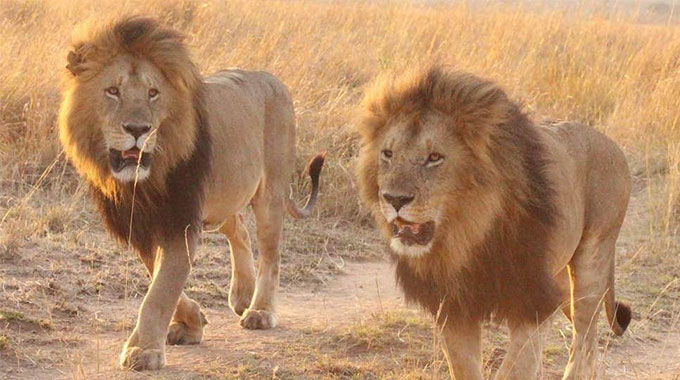
Look at water infrastructure and all that, elephants destroy that. On the other hand, there are hyenas, for those communities who live around parks, there’s always problems with hyenas, lions and sometimes hippos. We’re trying to address the issue of human-wildlife conflict and come up with cushions, or shock absorbers for such occurrences,” said Mr Masango.
He said efforts were being made to change perceptions about wildlife.
“We want to change the way wildlife is perceived in those areas because now you find that there’s animosity; the relations between humans and wildlife are strained because for a long-time people have been accusing councils saying wildlife belongs to councils; wildlife has destroyed crops, council should pay and all that. We want them to view wildlife as one of their resources to uplift their livelihoods,” said Mr Masango. – @Yolisswa


 Online Reporter