Online Reporter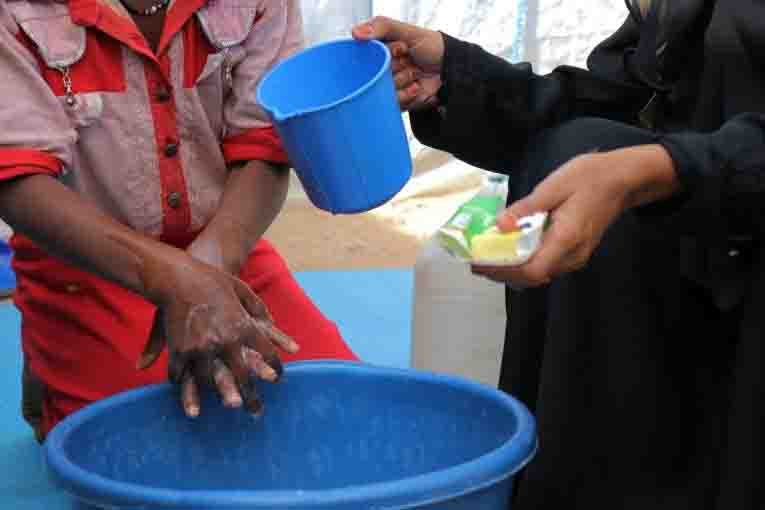
Dr Tendai Zuze
Health Matters
CHOLERA has recently been detected in our province, with at least 20 confirmed cases and fortunately no deaths reported so far.
Cholera is a serious but preventable disease. The good news is that with early treatment and proper hygiene measures, most people recover fully.
Cholera is caused by a germ called Vibrio cholerae. People get infected when they drink water or eat food that has been contaminated with human waste.
In our setting, this usually happens when there is unsafe water, burst sewer pipes, shallow wells near toilets, poor handwashing, or food prepared in unhygienic conditions.
During times of water shortages, when people rely on unprotected wells or stored water, the risk increases.
Cholera spreads very easily.
One sick person can infect many others if proper hygiene is not maintained. The germ is passed in stool. If hands are not washed properly after using the toilet, it can contaminate water, food, door handles, or anything touched afterwards. Flies can also spread contamination from open waste to food. In crowded areas, high-density suburbs, informal settlements, and places with poor sanitation, outbreaks can grow quickly.
The main symptom of cholera is sudden onset of very watery diarrhoea.
The stool may look like “rice water.” Vomiting can also occur. The biggest danger is dehydration.
A person can lose a lot of fluid in a short time. Signs of dehydration include thirst, dry mouth, sunken eyes, weakness, little or no urine, and in severe cases confusion or collapse. Children and the elderly are especially at risk.
Cholera can kill within hours if severe dehydration is not treated.
However, treatment is simple and effective if started early.
The most important treatment is replacing lost fluids. Oral Rehydration Solution (ORS) should be started immediately. If ORS is not available, a temporary solution can be made by mixing six level teaspoons of sugar and half a level teaspoon of salt in one litre of clean water.
Severe cases require intravenous fluids at a health facility. Antibiotics may be given in some cases to shorten the illness, but fluids are the main lifesaving treatment.
Anyone with sudden watery diarrhoea should go to the nearest clinic or hospital immediately. Do not wait. Early treatment saves lives.
Prevention is key.
Always drink safe water. Boil water for at least one minute if you are unsure of its safety. You can also use water purification tablets or add a small amount of household bleach as directed by health authorities. Store water in clean, covered containers and avoid dipping hands directly into stored water.
Wash hands with soap and clean water after using the toilet, after cleaning a child, before preparing food, and before eating.
Cook food thoroughly and eat it while it is still hot. Avoid raw or undercooked food. Wash fruits and vegetables with safe water. Keep toilets clean and ensure waste is disposed of properly. Do not defecate in open areas.
Communities should report burst sewer pipes, leaking water lines, and suspected cases early so that authorities can respond quickly. Public cooperation is essential to stop further spread.
Cholera is a disease of poor sanitation, but it is preventable and treatable. With safe water, proper hygiene, and early medical care, we can control this outbreak and protect our families.
For more on cholera, contact [email protected]