Chronicles from the 2nd Chimurenga
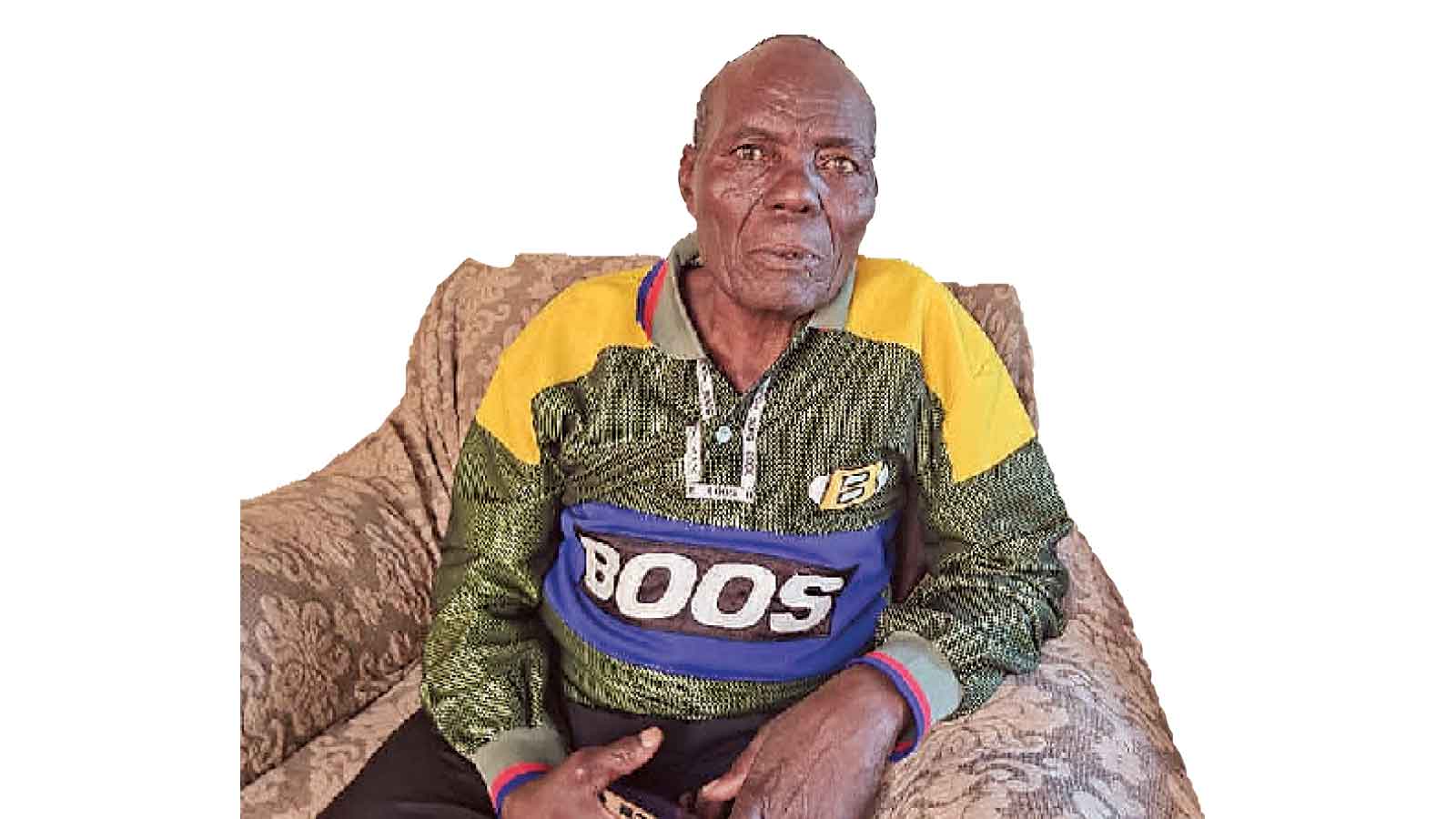
Last week, Lieutenant-Colonel (Retired) HARRISON DZUNGWA, who was known in the liberation struggle by his Chimurenga name Cde Cover Takurira, spoke about how he endured hardships at Chibawawa Camp in Mozambique, particularly hunger and jigger fleas. He described how the inordinate wait for military training, which kept on being deferred, also took a toll on them. In this week’s instalment, Lieutenant-Colonel (Retd) Dzungwa tells Zimpapers Politics Hub’s KUDA BWITITI about his time at Chimoio Camp, where comrades finally received military training.
***************
Q: After leaving Chibawawa Camp and arriving at Chimoio, what were the main differences?
A: The conditions at Chimoio were much better than at Chibawawa. It was indeed an upgrade from where we had come from. This was a proper camp with proper structures, as opposed to the makeshift barracks we had at Chibawawa. Chimoio didn’t just feel different — it felt like breathing again. Chimoio was a proper military installation.
Q: Do you mean there was comfort at Chimoio?
A: No, it was not comfortable. We never found comfort in those bushes, but it was orderly. And this order, after the chaos of Chibawawa, felt like victory.
The barracks stood solid, roofed and walled, a far cry from the makeshift shacks we had crouched in.
My group was placed in a camp called Mapinduzi. Cde Mike Nyambuya (now Deputy Senate President, Retired Lieutenant-General Nyambuya) was the Base Commander at the camp.
He did not mollycoddle us, but he drilled purpose into us from the first days. There was another barrack for those cadres who had been injured at the front.
We intermingled with them and learned from them. It was not long after we arrived at Chimoio that we started to receive military training.
Q: How did it feel to start receiving military training after you had spent several months waiting for this at Chibawawa Camp.
A: We were excited. Most importantly, we were more eager to do it because the time we had spent in limbo made us feel a strong urge to achieve our goal of going to war to fight the enemy and free our country from colonial rule.
The best way to describe it is that the limbo at Chibawawa had not broken us, but it had forged us and ignited a fire in us. The days at Chibawawa had only sharpened our resolve.
I had not crossed the border and left my pregnant wife to sit and wait but had come to fight to liberate my country from colonialism.
So, when the order finally came for training to start, we did not just participate. We consumed every lesson wilfully and lunged at every drill.
After all, the need for training was the very fire that had driven us from our homes and into the liberation fold.
The icing on the cake was that we had fairly adequate food supplies. Of course, it was not like we had feasts fit for a king, but we had enough to keep us going. Most importantly, we trained using proper weaponry, unlike at Chibawawa, where we created makeshift guns made from tree branches.
Q: Who were your instructors?
A: There were quite a few, but the names that quickly come to mind are Cdes Hondo, Keith and Kays.
Q: What did your training entail?
A: It was mostly infantry, cover and crawl, guerrilla tactics, running away from the enemy, attacking bases and retaliating after being ambushed.
Our trainers drilled guerrilla tactics into our sinews — how to melt into the bush, how to strike and vanish, how to read the enemy’s breath before he drew it.
We practised running not as retreat, but as survival — controlled, purposeful withdrawal that kept us alive to fight another day.
We rehearsed base assaults and storming mock positions. We drilled counter-ambush responses until they became reflex — spin, drop, return fire, shift, disappear.
The enemy would not catch us sleeping; we made certain of that. I specialised in small arms, rifles and sub-machines.
This was to be my expertise, later on, when we went to the front. But it all started with political orientation. Your mind had to be wired so that you had a clear and full understanding of why you joined the war.
We were not fighting for ourselves, but we were fighting for all the indigenous people who were being discriminated against by white minority rule.
The guns were just the tools, but the mind itself was a potent weapon, because it drove you to the limits.
Q: How long was the whole training programme?
A: We were trained for about five months, from February to June 1976. Then, from June to August, we were given new tasks. These tasks included training other recruits who were coming to the camp. Other tasks included guarding the camp.
At that time, the numbers were swelling fast. However, in August, an incident that happened away from our camp shook all our operations to the core.
This incident was the unfortunate massacre of comrades at Nyadzonya. As you know, it was caused by Morrison Nyathi — the sellout — on August 9, 1976.
Q: How did the incident at Nyadzonya affect you at Chimoio?
A: It caused sadness and anguish among the comrades that a sellout was amongst our fellow cadres and hundreds had died. Everybody now had to be careful. We had to be on the lookout for other sellouts that would have been in our midst.
A week after the attack at Nyadzonya, some reinforcements from Tanzania came to the camp.
I was then selected to be one of these cadres who would join these comrades from Tanzania to be deployed to avenge the Nyadzonya attack. We were placed under the Chiduku Detachment.
Next week, Cde Cover Takurira takes us into the fearsome battles that he fought while operating under the Chiduku Detachment as comrades set out to avenge the attacks at Nyadzonya and Doroi.