Chronicle Editor
Dr Norbert Hosho, [email protected]
PRESIDENT Mnangagwa’s leadership philosophy encapsulated in the phrase ”Ilizwe lakhiwa ngabaninilo/ Nyika inovakwa nevene vayo”, which translates to,
‘The country is built by its own people”, has seen Zimbabwe witness a significant shift in its socio-economic landscape. This philosophy emphasises self-reliance, national ownership and local empowerment.
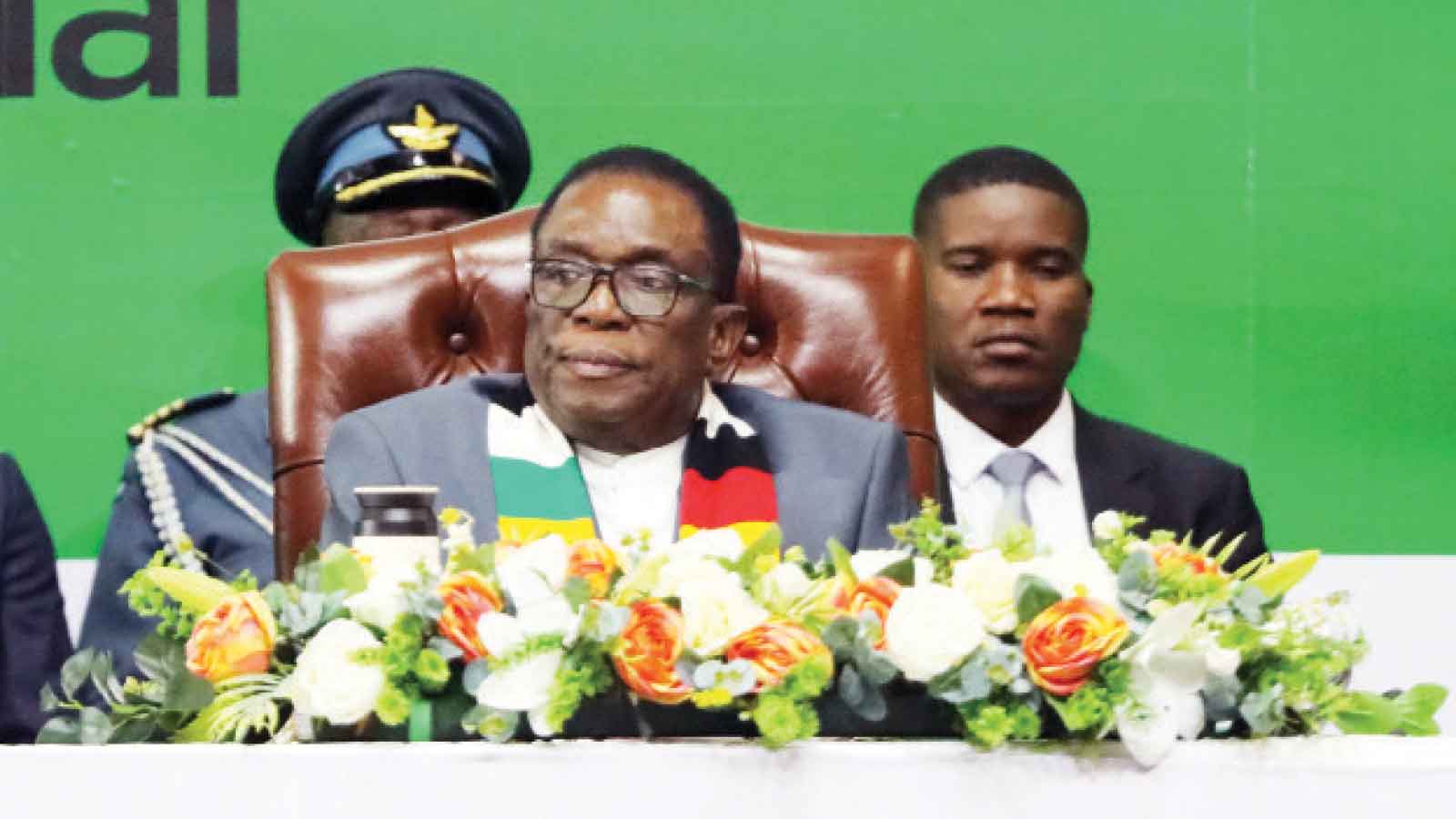
As President Mnangagwa steps into the role of Chairperson of the Southern African Development Community (SADC), this ideology is poised to have significant implications not only for Zimbabwe but for the entire SADC region. There is immense potential for strengthening regional co-operation across southern Africa. As he assumes the role of SADC Chairperson, this philosophy could significantly influence the organisation’s approach to addressing regional issues.
By focusing on self-reliance, political stability through citizen engagement and fostering regional integration through collaborative efforts, he can pave the way for sustainable development in the region. This approach not only empowers individual nations but also reinforces the collective strength of SADC as it navigates complex challenges ahead. Ultimately, embracing this philosophy may lead southern Africa towards a more prosperous future built by its own people where every nation contributes meaningfully to shared goals while respecting each other’s sovereignty.
Promoting Regional Self-Reliance
One of the core tenets of President Mnangagwa’s philosophy is self-reliance. This concept emphasises the importance of local solutions to local problems, encouraging SADC Member States to prioritise home-grown initiatives over foreign dependency. By advocating for self-reliance, President Mnangagwa aims to empower nations within the region to harness their own resources and capabilities thereby reducing vulnerability to external shocks and influences.
The shift towards self-reliance necessitates a re-evaluation of how regional economies operate. Under President Mnangagwa’s leadership, there is potential for SADC countries to collaborate on projects that utilise their own resources and expertise. For instance, agricultural co-operatives could be established across borders, allowing nations to share best practices while reducing reliance on imported food products. By pooling resources and knowledge, Member States can enhance food security and promote sustainable agricultural practices.
President Mnangagwa’s emphasis on self-reliance also encourages economic collaboration among SADC nations. By focusing on regional value chains, countries can work together to produce goods locally rather than relying on imports from outside the region. This approach not only strengthens economic ties but also creates jobs and stimulates local economies. For example, joint ventures in manufacturing or mining could lead to increased production capacity while ensuring that profits remain within the region.
In an increasingly globalised world, SADC countries are often susceptible to external economic shocks-be it fluctuations in commodity prices or disruptions in global supply chains. By adopting a self-reliant approach, Member States can build resilience against such shocks. Investing in local industries and infrastructure will enable countries to withstand external pressures more effectively. Moreover, by developing a robust internal market for goods and services, SADC nations can mitigate the impact of global economic downturns.
Another significant aspect of President Mnangagwa’s philosophy is community empowerment. By promoting local solutions and initiatives, communities are encouraged to take ownership of their development processes. This empowerment fosters innovation as individuals identify unique challenges within their contexts and devise tailored solutions. Furthermore, when communities are actively involved in decision-making processes regarding resource management or economic development projects, they are more likely to invest in sustainable practices that benefit both current and future generations.
President Mnangagwa’s leadership philosophy also aligns with the broader goals of SADC regarding economic integration. By emphasising that “the country is built by its own people,” there is a clear call for member states to work together in building robust economic frameworks that benefit all parties involved. This could manifest in increased trade agreements among SADC countries as they seek to bolster intra-regional trade and reduce barriers that have historically hindered economic collaboration.
Fostering Political Stability
In the context of Southern Africa, political stability is not merely a desirable outcome; it is an essential prerequisite for sustainable growth and development. As President Mnangagwa assumes the role of SADC Chairperson, his leadership philosophy encapsulated in the phrase ”Ilizwe lakhiwa ngabaninilo/Nyika inovakwa nevene vayo” holds significant implications for fostering political stability within the region.
President Mnangagwa’s emphasis on national ownership resonates deeply with the need for political accountability and transparency. By advocating that citizens take an active role in their governance, he encourages a paradigm shift where leaders are held accountable to their constituents. This philosophy can inspire other SADC leaders to adopt similar approaches, thereby creating a ripple effect across member states. When citizens feel empowered and engaged in the political process, they are more likely to hold their governments accountable, leading to improved governance practices.
Moreover, this focus on local ownership can mitigate feelings of disenfranchisement among populations. In many SADC countries, historical grievances and perceptions of exclusion have fuelled conflict and instability. By promoting a governance model that prioritises local values and priorities, President Mnangagwa’s philosophy has the potential to address these underlying issues. When people see their needs reflected in government policies, it fosters trust between citizens and their leaders-a crucial element for long-term political stability.


 Online Reporter