Chronicle Editor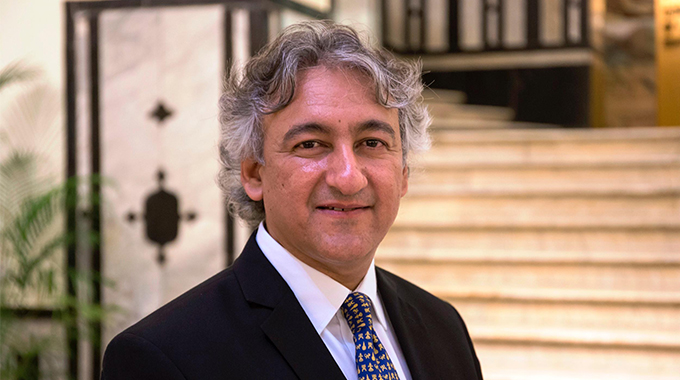
Mbulelo Mpofu [email protected]
Today, renowned Indian art conservationist Anupam Sah is set to deliver a public lecture at the National Gallery of Zimbabwe (NGZ) in Bulawayo, focusing on the theme, “Creation and Conservation of Art.”
This event is part of a broader initiative aimed at enhancing cultural heritage practices across the African continent.
Sah, the Director and Chief Art Conservator of the Anupam Heritage Lab (AHL) Private Limited in India, has gained international recognition for his work in cultural heritage conservation.
Last year, USA’s Yale Institute for the Preservation of Cultural Heritage (IPCH) launched its first global fellowship programme targeting leaders of museums and cultural institutions in Africa, engaging AHL to co-design a capacity-building programme.
This initiative aims to support African cultural institutions in developing effective collections management strategies that prioritise the preservation of their material heritage.
Sah’s visit has been facilitated by Yale’s IPCH through its Director of International Programmes, Charlotte Ashamu. Also integral was Yale fellow, Silenkosi Moyo who is also regional director of the NGZ in Bulawayo.
Ahead of the lecture, Sah shared insights on the importance of art conservation, particularly in the Zimbabwean context.
He emphasised the need for local artists to engage with art institutions, ensuring that the next generation understands the raw materials and processes involved in creating enduring art.
“They (local artists) must be educated on the ingredients that make up art objects,” Sah stated.
When discussing the role of cultural heritage in contemporary art, Sah noted, “Cultural heritage adds depth and sensitivity to the thinking process and eventual creations.”
He believes that understanding and respecting one’s heritage can significantly influence artistic practices.
Sah’s extensive experience has led him to advocate for early education in heritage conservation among younger generations.
He highlighted the significance of community involvement in these efforts, suggesting that heritage conservation can drive socio-economic development in marginalised areas.
His lecture will explore how integrating conservation with other sectors—such as infrastructure, tourism, and agriculture—can benefit local communities.
He also remarked on the value of an interdisciplinary approach for artists and conservators in Zimbabwe.
“By seeing the larger picture,” he said, “we can impact changes in the overall health of the system, leading to positive change and well-being.”
Reflecting on global trends in art conservation, Sah underscored the importance of preventive conservation and the necessity for Zimbabwean artists to embrace documentation practices.
“Basic documentation tools are essential for showcasing their work and potential future projects,” he advised.
Sah, who has restored numerous heritage properties and has been knighted by Italy for his outstanding contributions to restoration techniques, envisions a future where small conservation centres serve as engines for growth in the artistic community.
“Artists, scientists, craftspersons, and curators must identify what needs to be conserved and implement small, time-bound projects with visible results,” he concluded.
With his lecture at the NGZ in Bulawayo, Sah promises to inspire a new generation of Zimbabwean artists and conservators, fostering a deeper understanding of the intersection between art creation and heritage conservation. – Follow on X @MbuleloMpofu



 Online Reporter