admin
admin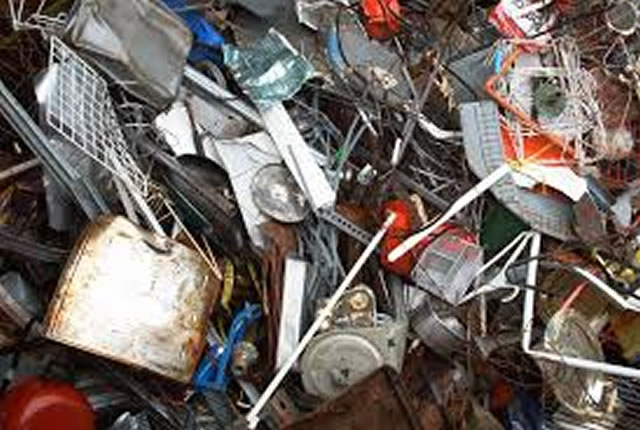
 Oliver Kazunga Business Reporter
INDUSTRIALISTS have expressed concern over the intent by Government to lift a ban on scrap metal export saying the move would negatively impact the economy. Exports of scrap metal were banned in August 2004 to encourage value-addition of locally available raw materials.
Early this month, the Minerals Marketing Corporation of Zimbabwe (MMCZ), invited bids from companies for the purchase of an estimated 32 700 tonnes of graded and ungraded scrap metal arising from railway operations.
National Railways of Zimbabwe (NRZ) scrap metal from wagons, locomotives, tank barrels, and rail and steel sleepers, among others was available in different parts of the country such as Bulawayo, Harare, Gweru and Mutare.
According to the tender document for the sale of scrap this paper is in possession of, MMCZ said payment for export scrap materials must be made from off-shore funds.
In separate interviews, the industrialists who preferred not to be named said this was an indication that the tender targeted foreign firms.
“There are local steel manufacturing companies including foundries which use scrap metal; now if scrap is exported this will further reduce capacity utilisation in local steel manufacturing firms and foundries because it will be exported by foreign companies who will come to set up shop in the country.
The conditions of the tender are set for foreigners to come and mop the scrap at the expense of local industries.
“In 2004, the Government imposed a ban on scrap exports and that ban is still there. If scrap starts being exported, it will mean that it has been lifted and this will see foreign companies setting up shop here at the expense of local industries that are already reeling under challenges,” said an industrialist.
MMCZ has indicated that the tender on scrap metal would close on 4 October.
“If the scrap starts being exported, this will see foreign companies setting up shop here because the scrap at NRZ is of high quality and this is also why the foreigners would be interested in participating.”
Another industrialist said if the scrap metal ban was lifted, domestic steel producers and industries which consume steel would scale-down operations leading to job losses due to shortage of the raw material locally.
“In addition, due to shortage of scrap, our products will be very expensive on the export markets and we will lose market share. Value addition is the way to go not to export raw materials; the President has also said this before,” the industrialist said.
The Confederation of Zimbabwe Industries (CZI) has expressed concern about the implications of lifting the scrap exports ban to local industries.
The industrial body said lifting of the ban would starve the industry of a vital raw material that was cheaper than iron which has to be mined and processed.
Zisco, now NewZim Steel, which at the moment is yet to resume operations, used to provide scrap metal to a number of local foundries.



 Online Reporter