admin
admin
with the March year-on year inflation figure reflecting a 0,3 percentage points decline to 2,7 percent.
Data released by the Zimbabwe National Statistical Agency last week, however, showed a marginal 0,3-percentage points gain in month on month inflation for March on the February rate of 0,5 percent.
This means that the rate of change in prices as measured by the all items consumer price index increased by an average of 0,8 percentage points from February to March this year.
However, the decline in annual inflation does not mean a decline in prices and consumers may not feel the effect of this positive development until they get a salary increment as inflation only depicts the rate at which prices would have risen over a month or year.
Analysts attributed the decrease in inflation to economic stability in the first quarter characterised by the use of stable currencies and improved commodity supply.
“Our inflation is imported and the stability of our major trading partners will have a positive impact on Zimbabwe. The prices are also in a self correction mode, further stabilising the rate of inflation,” said an analyst with a local stock broking firm.
The year on year food and non-food alcoholic beverages inflation prone to transitory shocks stood at 3,33 percent while non-food inflation stood at 2,38 percent.
The month on month food and non-alcoholic beverages inflation stood at 0,6 percent in March gaining 0,26 percentage points in the February rate of 0,37 percent.
Getting into the second half of the year, the rate of inflation is expected to slow down further as both regional and international financiers continue to unveil working capital to local industry.
The recent spate of price increases by retailers that was threatening to erode existing incomes has sparked another round of wage demands in both civil service and the private sector.
Production capacities in companies have remained stagnant due to a myriad of factors including lack of working capital resulting in employers failing to adjust salaries.
Retailers have continued to increase prices despite employers failing to award decent salaries in line with the prevailing economic environment.
The impact on already income-constrained consumers would further assist in lowering the prices of imported products, with adverse consequences for local production and employment.
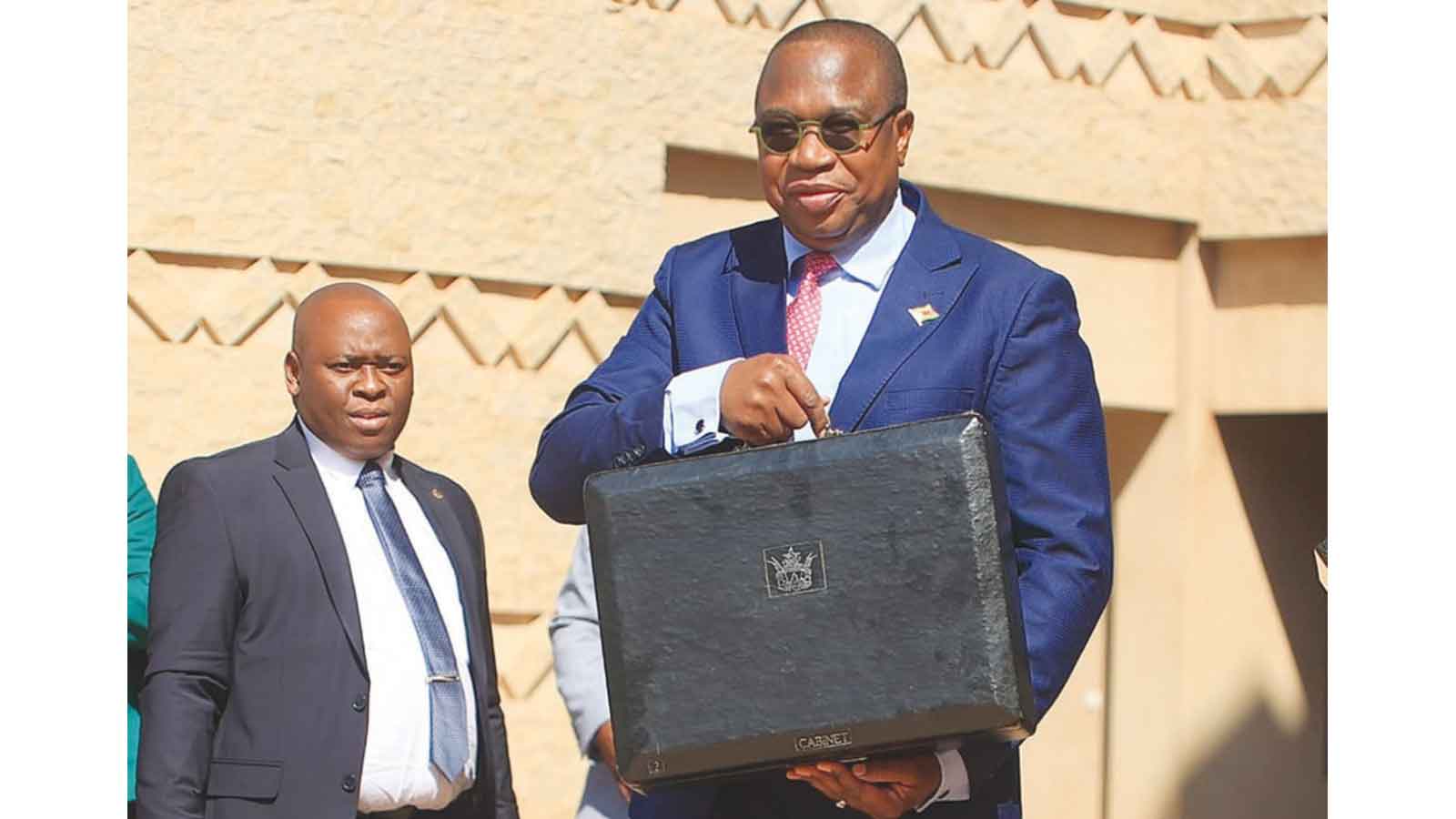
Tariff adjustments for public utilities, health care as well as the strengthening of the South African rand against the US dollar, are also expected to determine the country’s inflationary trends. Failure by Finance Minister, Tendai Biti to put a tight lid on the resurgence of domestic inflation would only serve to reduce the competitiveness of local goods in both the domestic and export markets.
However – pressures can only be reduced by increased agricultural output buoyed by tobacco, cotton and increased mineral sales.
The decrease in inflation comes at time when the country’s poverty datum line is at US$495 for last month.
The poverty datum line represents the cost of a given standard of living that must be attained if a person is deemed not to be poor.
Employers have failed to award salaries commensurate with the operating environment citing lack of working capital, depressed markets and constrained production levels.
Last month the food poverty line, which represents the minimum consumption expenditure necessary to ensure that each household member can consume a minimum food basket representing 2 100 kilo calories stood at US$151 for an average of five people.
The food poverty line increased by 7,5 percent when compared to the March 2010 figure that stood at US$28 per person.
This means that last month’s food poverty line for an average of five people stood at US$151, down 2,3 percent on a monthly basis and 7,5 percent on an annual basis.
However, the poverty line varies by province as prices vary from place to place. A family of five in Manicaland required an average of US$470 last month, while a similar family in Matabeleland North required US$552, making it the most expensive region in the country.


 Online Reporter