Online Reporter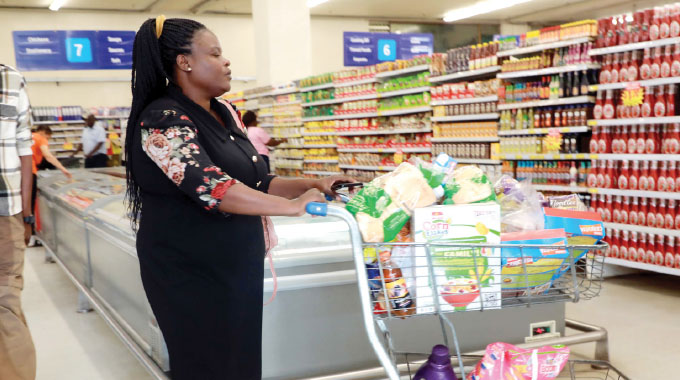
Tapiwanashe Mangwiro, Zimpapers Business Hub
ZIMBABWE recorded a notable slowdown in price growth in August, reinforcing official claims that currency reforms are beginning to stabilise the economy — even as year-on-year inflation figures remain elevated.
According to the Zimbabwe National Statistics Agency (ZimStat), the ZiG month-on-month inflation rate eased to 0.4 percent in August, a sharp decline from July’s 1.6 percent.
Food prices in local currency slipped into negative territory, while non-food inflation also softened. Officials and economists said the figures suggest growing momentum from tighter monetary discipline and structural reforms.
The ZiG Consumer Price Index (CPI) stood at 191,65 in August, compared with 190,89 in July and 98,90 in the same month of 2024. The deceleration follows efforts by the Reserve Bank of Zimbabwe (RBZ) to bolster ZiG’s credibility through exchange rate management and liquidity tightening.

“Month-on-month inflation has slowed consistently since mid-year, which is evidence that monetary reforms are having a positive impact. Of course, the annual figure remains high at 93,8 percent, but what matters is the downward trend, which shows policy traction. If maintained, this will help restore confidence in the ZiG over time,” said economist, Mr Tinevimbo Shava.
The US dollar-based Consumer Price Index, which covers a large share of urban spending, recorded 0,0 percent inflation in August, down from 0,3 percent in July. Food and non-food categories remained flat overall, offering relief to dollar earners.
On an annual basis, the USD index rose by 14,2 percent — much lower than ZiG inflation, but still reflecting imported price pressures. For policymakers, the stability of the USD index reinforces the argument that the country is moving away from the hyperinflation cycles that once defined it.
Officials say the dual-currency environment, though complex, has acted as a buffer for households and businesses. By allowing trade in both ZiG and US dollars, the Government has managed to cushion parts of the economy from exchange-rate shocks while ensuring the local currency retains a role in domestic transactions.
ZimStat’s Weighted Consumer Price Index — a combined measure of ZiG and USD inflation — showed no price growth month-on-month in August, compared with 0,6 percent in July.

Annual inflation under the weighted index stood at 27,6 percent, significantly lower than the ZiG-only measure. Analysts say this is the most relevant benchmark for economic planning, as it reflects the realities of Zimbabwe’s hybrid economy.
“This is where we see the strongest evidence of progress. The weighted index is what most households experience on the ground. A stable month-on-month outcome demonstrates that inflationary pressures are being tamed, even if the year-on-year figure is still elevated. It shows the economy is responding to reforms,” said economic analyst, Mr Namatai Maeresera.
ZiG-denominated food inflation fell by 0,1 percent month-on-month, while USD-based food prices edged up by 0,3 percent — effectively cancelling each other out in the weighted index.
Non-food items, including transport, utilities, and clothing, registered subdued increases across both measures. Analysts attributed this partly to restrained consumer demand and Government interventions to contain fuel price hikes.
The moderation in food inflation follows improvements in local supply chains and an uptick in agricultural output, particularly in maize and horticulture. Officials argue these developments demonstrate that domestic production can play a meaningful role in reducing reliance on imports, which are vulnerable to global price shifts.
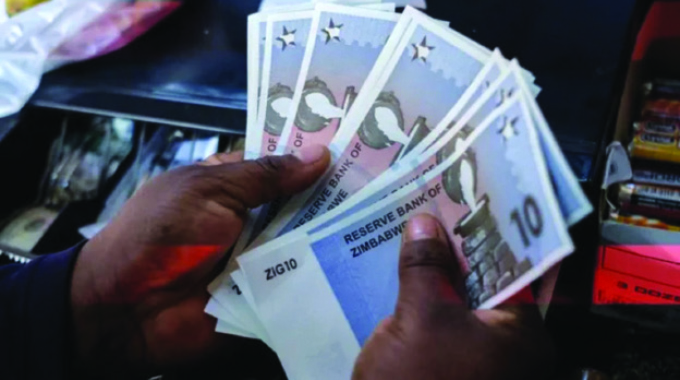
The Reserve Bank has maintained that the ZiG, introduced earlier last year, will prove resilient if fiscal and monetary discipline is upheld. The August figures, it argues, validate that position.
While critics point to the still-high annual inflation of 93,8 percent in ZiG terms, Government officials note that such figures partly reflect statistical overhang from earlier currency instability, rather than current market dynamics.
“The reality is that the pace of inflation is slowing, and that is the real test of whether reforms are working,” said Mr Maeresera.
Economists argue that if the current trajectory continues, Zimbabwe could enter 2026 with its most stable inflation profile in over a decade.
“Zimbabwe still faces structural challenges, but the reforms are beginning to show measurable impact. August’s figures demonstrate that policy stability, agricultural recovery, and currency management can bring inflation under control. What matters now is staying the course,” said Mr Shava.