Chronicle Editor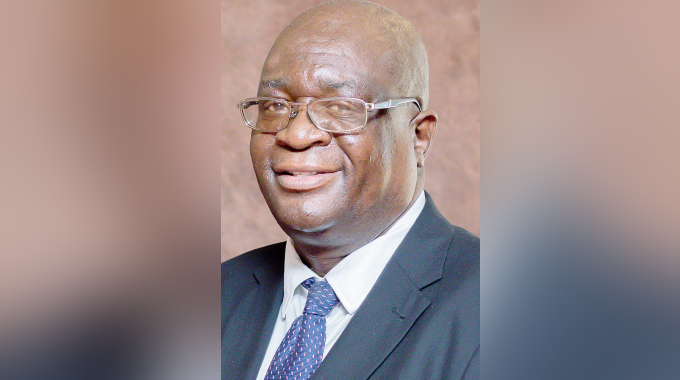
Leonard Ncube, [email protected]
ZIMBABWE Parks and Wildlife Management Authority (ZimParks) director-general, Dr Fulton Mangwanya has said there is a need for increased collaboration among conservation and wildlife management organisations to foster sustainable biodiversity and improve the well-being of local communities, businesses and the tourism sector.
In a speech read on his behalf by ZimParks director for commercial services, Ms Nomsa Chitsaka at the Kavango Zambezi Transfrontier Conservation Area (KAZA TFCA) stakeholders meeting in Victoria Falls, Dr Mangwanya said integrated conservation efforts in ensuring the long-term preservation of the country’s rich biodiversity and the prosperity of its people are critical.
“Today’s meeting is a testament to our collective vision and unwavering determination to preserve KAZA’s natural and cultural resources. We recognise the immense value of transfrontier conservation as it allows us to address the complex challenges faced by our shared ecosystems,” he said.
“Let us then collaborate in the rolling out of these strategic documents to realise the benefits of conservation.”
Dr Mangwanya said it is crucial to acknowledge the co-operation and collaboration among all key players.
“We understand the importance of transfrontier co-operation in protecting our biodiversity, mitigating habitat fragmentation and addressing socio-economic challenges that affect community livelihoods. Together, we have transcended political boundaries and fostered collaboration among countries,” he said.
Dr Mangwanya said there is a need to reflect on the achievements, success stories, best practices and challenges to see how best local communities can derive value from resources around them.
He said the KAZA region covering Angola, Botswana, Namibia and Zambia serves as a beacon of hope in light of inevitable and irreversible impacts of climate change.
The TFCA model demonstrates that the conservation of wildlife resources knows no boundaries and is not the responsibility of a single entity or organisation hence the need to collaborate.
He said the recently concluded KAZA Elephant Survey in 2022, which revealed that Zimbabwe has 65 028 elephants on Hwange National Park environs showed fruits of conservation efforts.
“They embody the recognition that the health of our ecosystems and the well-being of our communities are intrinsically linked. By embracing our shared responsibility and engaging in collaborative efforts, we can pave the way for a future where sustainable development in these marginalised but resource-rich areas harmonises with nature,” said Dr Mangwanya.
“I, therefore, implore all of us here to consider our local communities as we plan for our tourism, infrastructure development and conservation noting human-wildlife conflict on the negative end.”
Dr Mangwanya said there is a need to witness the fruits of collective efforts through the establishment of economic and ecological corridors, the protection of critical habitats and the promotion of different business ventures, including responsible tourism that benefits both people and wildlife.
“KAZA TFCA is not solely for wildlife conservation but is also an economic hub that we can leverage for our benefit. It has not been immune to challenges such as climate change, habitat loss, poaching, human-wildlife conflict and illegal wildlife trade,” he said.
“These threats pose risks to both development and livelihoods communities that bear the burden of living with wildlife.”
Dr Mangwanya said it is imperative to adapt, innovate and collaborate to effectively address these challenges.
“Our success lies in our ability to leverage our collective knowledge, resources and experiences and let us use this platform to forge partnerships for the betterment of our local communities, businesses, conservation and tourism,” he said.
Government, through the Ministry of Environment, Climate and Wildlife is in the process of consulting communities countrywide towards crafting the Parks and Wildlife Amendment Bill, another strategic policy document in terms of inclusive natural resources management.
The meeting was attended by representatives of Government ministries and departments, local authorities, private sector conservation players, community leaders, civil society organisations and development partners. —@ncubeleon



 Online Reporter