Coach Molly Chuma-Grooming
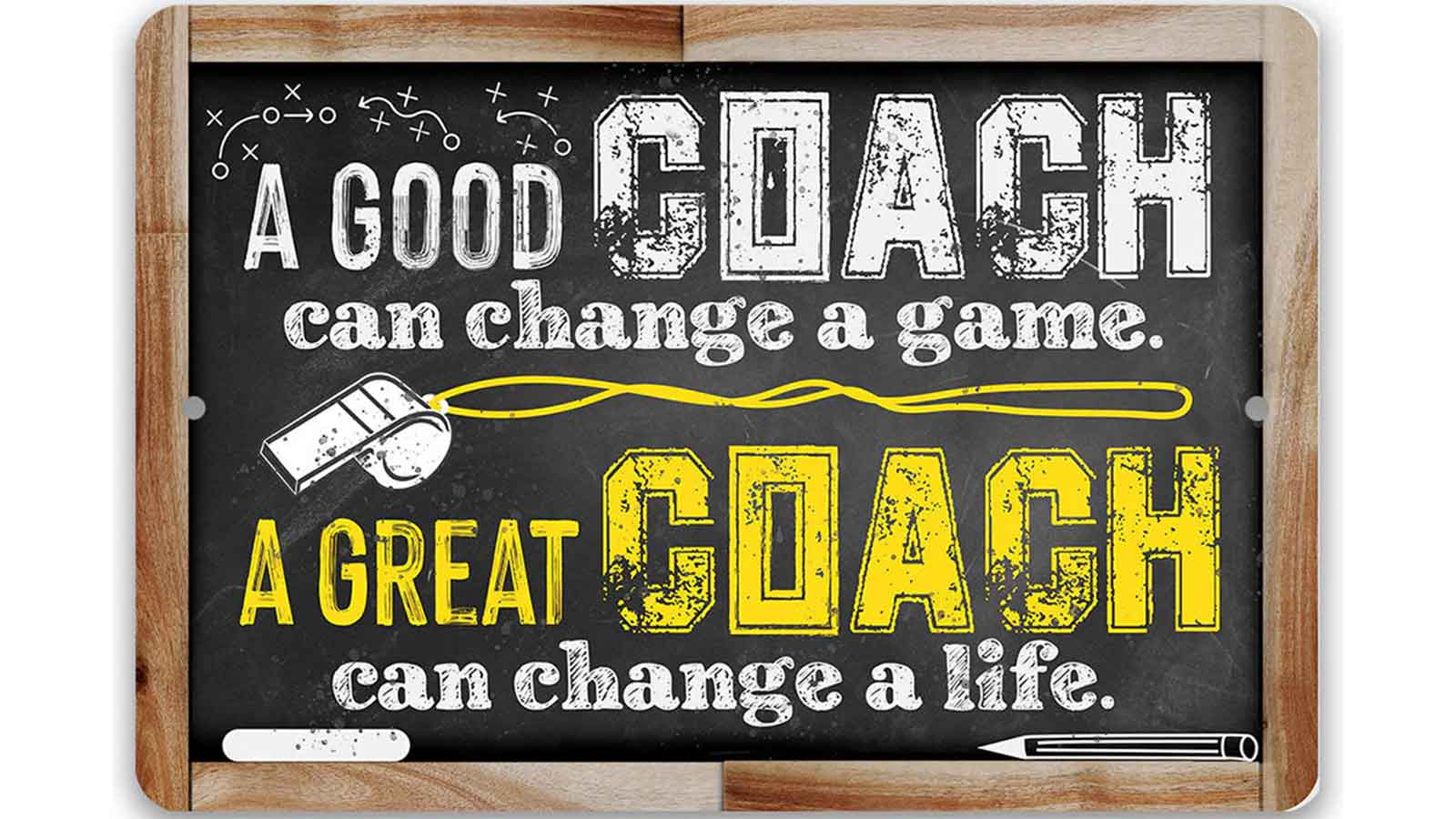
As the world celebrates International Coaching Week, it is important not only to appreciate the impact of coaching, but also to reflect on the character and etiquette of a good coach.
In an era where many people are stepping into mentorship, leadership, training and coaching spaces, skill alone is no longer enough. How a coach carries themselves, communicates, treats people, and handles responsibility matters greatly.
A coach is more than a motivator. A coach is a guide, a listener, a leader and sometimes even a source of hope during difficult seasons in someone’s life.
Because of this, coaching requires professionalism, emotional intelligence, discipline, humility and proper etiquette.
One of the first qualities of a good coach is the ability to listen.
Many people think coaching is about speaking all the time, yet some of the most effective coaches are excellent listeners.
A good coach listens to understand, not just to respond.
They create a safe environment where people feel heard, respected, and valued. Interrupting clients constantly, dismissing their concerns, or making every conversation about oneself is poor coaching etiquette.
Listening shows respect
Another important aspect of coaching etiquette is confidentiality. People often share personal struggles, fears, insecurities, business challenges, family issues, or career frustrations during coaching sessions.
A professional coach understands that trust is sacred. Discussing a client’s private matters publicly for entertainment, gossip, or social media content damages credibility and violates ethical standards.
Good coaches protect people’s dignity.
Respecting time is also part of coaching etiquette. Arriving late for sessions, cancelling appointments carelessly, ignoring messages for long periods, or being disorganised communicates a lack of professionalism.
A coach should model discipline and respect for commitments. Time management builds trust and shows clients that they are valued.
Professional presentation also matters.
Whether coaching takes place in boardrooms, schools, churches, online spaces, or conferences, appearance and conduct influence perception.
A coach does not need to be extravagant, but they should present themselves neatly, appropriately, and confidently.
Grooming, posture, communication style, and attitude all contribute to credibility. People are often inspired not only by what a coach says, but by how they carry themselves.
Communication etiquette is another key area many overlook.
A good coach knows how to correct without humiliating. There is a difference between constructive feedback and destructive criticism. Some people leave coaching spaces feeling broken, embarrassed, or intimidated because of harsh communication styles. True coaching should challenge people while still preserving their dignity and confidence.
Words have power
The etiquette of a good coach also includes humility. Coaching is not about superiority or creating unhealthy dependence. A wise coach understands they do not know everything.
They continue learning, growing, researching, and developing themselves. Humility allows coaches to admit mistakes, receive feedback, and remain teachable.
Unfortunately, some people become coaches but refuse accountability themselves.
Another important quality is emotional control. Coaches interact with different personalities and situations daily. Some clients may be difficult, emotional, fearful, defensive, or impatient.
A good coach remains calm, respectful, and professional even under pressure. Emotional maturity helps coaches respond wisely instead of reacting emotionally.
Boundaries are equally important in coaching etiquette.
A professional coach understands the importance of respecting personal space, communication boundaries, and professional relationships. Over familiarity, manipulation, emotional dependency, or inappropriate behaviour can damage trust and professionalism. Healthy boundaries protect both the coach and the client.
A good coach also celebrates people genuinely.
Sometimes insecurity causes leaders or coaches to compete with those they mentor. However, true coaching is about helping others grow, shine, and succeed. A mature coach is not threatened by the success of their students, clients, or mentees. Instead, they find joy in seeing others progress.
Good coaches inspire confidence, not fear.
International Coaching Week reminds us that coaching is a responsibility, not just a title. In today’s world, many people are watching before they listen.
Character, professionalism, integrity, and etiquette are becoming just as important as knowledge and experience.
People may forget motivational speeches, but they rarely forget how someone made them feel.
A good coach leaves people feeling empowered, respected, encouraged, and challenged to become better. They lead with wisdom, patience, excellence, and compassion. They understand that every interaction matters because coaching is ultimately about people.
As coaching continues to grow across different industries in Zimbabwe and beyond, there is a need for coaches who are not only skilled, but also ethical, polished, disciplined, and emotionally intelligent.
Coaching should uplift lives, restore confidence, build leaders, and create positive transformation in society.
The true power of coaching is not found in popularity or titles. It is found in the ability to guide others with integrity, wisdom, professionalism, and grace.
Coach Molly Chuma is a Grooming and Etiquette Coach, Confidence Coach, Leadership Development Mentor, Author, and Speaker. She is the founder of The Luminary Institute of Leadership and Etiquette.