admin
admin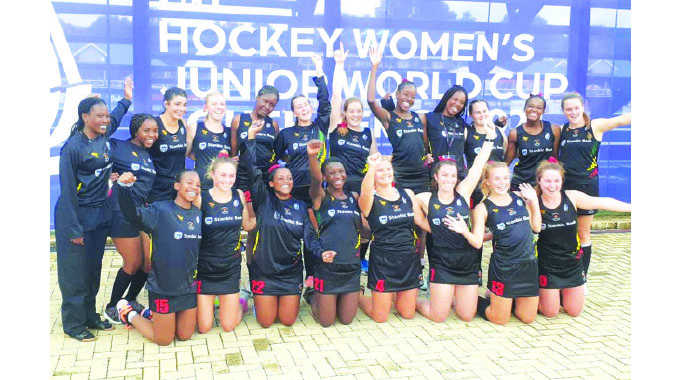
Ellina Mhlanga–Senior Sports Reporter
AFTER finishing on position 12 at the FIH Hockey Women’s Junior World Cup, Zimbabwe’s coach Tendayi Maredza, conceded the local game is lagging behind and more investment is needed if the country is to catch up with the rest of the countries at this level.
The tournament, which was held in Potchefstroom, South Africa, and ended yesterday, featured 16 countries and Zimbabwe were placed 12th overall.
Out of five matches, they won only one against Canada. They lost to the Netherlands and the United States to finish third in Pool A. They then lost to Austria and Malaysia in the classification phase.
Only the top two teams from each of the four Pools advanced to the quarter-finals.
As they return home, Maredza said it had been a great experience to be part of the competition but they could not meet some of their expectations.
“Great experience being part of this Junior World Cup. Obviously a first in Africa. I think we did well in our first game beating Canada. But then we didn’t do well in our last two Pool games and then we had a break and then we played Austria, losing narrowly 1-0, which I felt, we didn’t utilise our chances. We just didn’t play well as a team and then obviously we didn’t finish well and we finished 12th in the tournament.
“Not a bad result but we came with higher expectations. Obviously, things didn’t go as planned but we can take some positives out of this tournament and we can just look forward to the future,” said Maredza.
Playing with teams such as the Netherlands and losing with big margins exposed the extent to which the local game is lagging behind when it comes to international level.
And there is need for a holistic approach that include all stakeholders to improve the game, starting from grassroots, to the leagues, the national teams and funding.
Maredza said as they move forward, there is need to act on the lessons learnt from the tournament if the country’s fortunes are to change.
“Lots of lessons. We have learnt a lot from these different teams, their different cultures, their set-ups and all that. And we still got a long way to go in terms of maintaining that standard and creating players that can compete at this highest level.
“So we need to invest more in our grassroots programmes. We need to invest more in competitive leagues, we need to invest more in our players, the preparation, we need to invest more in our technology, our staff.
“Those are just major things that we need to invest in to be able to compete with these teams because we are still miles away.
“But those are lessons you learn when you come to these World Cups and it’s a good thing that we can here.
”We fought hard in each and every game, we didn’t give up. We competed and it’s a plus for us.
“So we take the positives, we take the negatives also and we learn from them.
“Hopefully, we can sit down and map a plan and hopefully we can also get the much-needed financial support that will help us in a long way to be able to achieve all these goals, and be able to create the next crop of players that can also compete at the highest level,” Maredza said.


 Online Reporter