Online Reporter
Judith Phiri, Zimpapers Business Hub
THE Insurance and Pensions Commission (IPEC) has expressed concern over the persistent data inconsistencies plaguing the pensions sector, emphasising the need for accurate reporting and correct calculation of member benefits.
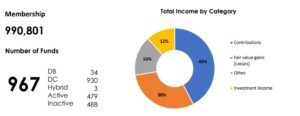
As the sector continues to grow, with a total of 967 registered occupational pension funds as of 31 March 2025 — the same number reported on 31 December 2024 — it has been highlighted that it is imperative that these issues are addressed.
In the 2025 first quarter (Q1) pensions sector report, the Commission said data inconsistencies within the pensions sector hinder effective oversight and accurate assessment of the industry’s performance.
“Persistent data inconsistencies remain a concern. The Commission is committed to resolving these and other related issues to enable accurate reporting and ensure the correct calculation of member benefits,” said IPEC.
“Going forward, the sector must prioritise improving contribution remittances by ensuring that employers consistently meet their obligations. This is essential to securing meaningful and sustainable benefits for pensioners.”
It said another major challenge facing the pensions sector was the widespread failure by many employers to remit pension contributions, leading to a serious shortfall in funds available for pensioners.
IPEC said this problem threatens the financial security of pensioners and demands urgent corrective action from sponsoring employers.
“The Commission urges all stakeholders within the pensions delivery chain to actively contribute to improving outcomes for pension scheme members, particularly by ensuring the timely payment of benefits that align with members’ reasonable expectations. The importance of comprehensive pension reforms, driven by a collaborative, multi-stakeholder approach, cannot be overstated.”
A closer look at the sector reveals that of the 967 registered funds, half of them were inactive, with 78 percent of these (372 funds) earmarked for dissolution.
IPEC said of the total funds, 34 were defined benefit schemes, while three were hybrid schemes and 930 were defined contribution schemes.