Online Reporter
Wallace Ruzvidzo
Herald Reporter
THE iron and steel industry is the fastest-growing sector in Zimbabwe, employing over 15 000 people, a figure that is expected to continue increasing, Industry and Commerce Minister Mangaliso Ndlovu has said.
In his presentation to students of the National Defence Course at the Zimbabwe National Defence University yesterday, the minister said the sector had “come alive” and was set to be the largest employing industry in a few years.
Zimbabwe produces between 50 000 tonnes and 60 000 tonnes of iron and steel products every month.
“This sector has come alive, now employing more than 15 000 workers. I think it is the fastest-growing.
“In the next few years, it will be the largest employer, overtaking the sugar industry, which is currently employing around 24 000 people in the entire value chain,” he said.
The Industry and Commerce Minister said export earnings from manufactured goods had increased by 18 per cent, from US$2,8 billion in 2017 to US$9,2 billion as at the end of October this year.
“Again, we are registering good numbers in terms of the growth of manufactured exports that have increased by 18 per cent. This is a very important mixture for me because we celebrate the growth of exports…so we need to measure what the level of manufactured exports is, because this is what really brings value and creates jobs in our economy.
“So again, the volume of the manufacturing index, again a critical indicator, increased from an average of 46,6 per cent in 2019 to an average of 540,5 per cent in 2024, again a cumulative growth of more than 200 per cent,” said Minister Ndlovu.
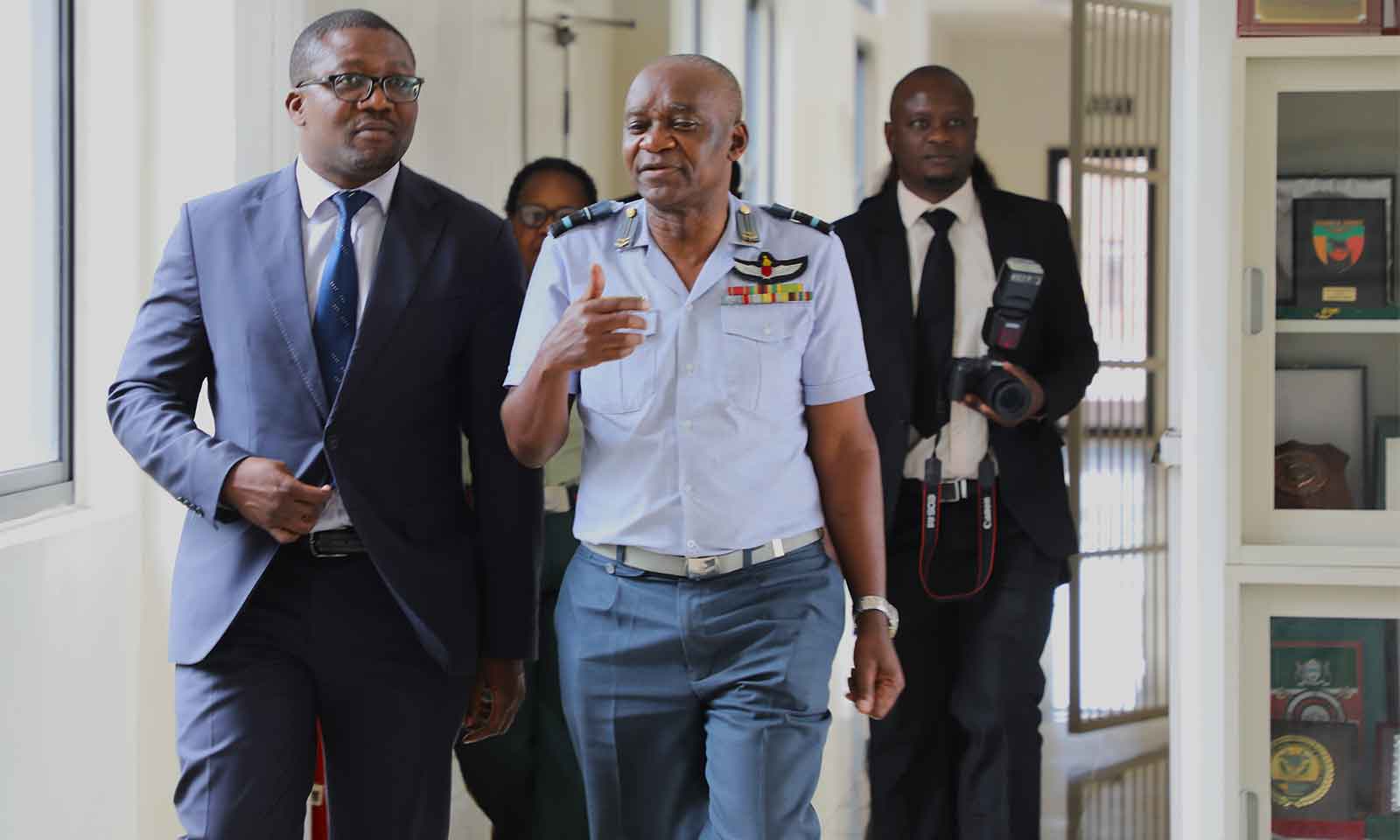
He also expressed gratitude for the opportunity to share insights with the ZNDU on some of the activities that are taking place within the economy and pursuing the attainment of upper-middle-class economic status by 2030.
“To highlight that, as Zimbabwe, we are very proud that the manufacturing sector is the largest contributor to GDP. This is not a common feature or phenomenon in Africa because Africa is largely a highly extractive continent, and what that essentially means is that we are exporting jobs to those who then validate and beneficiate our resources.
“But that said, it has been a journey fraught with a lot of hard work, decisive policy-making, and we are still experiencing some of the reforms taking place, especially through the ease of doing business reforms where the regulatory burden that has been confronting our businesses is being addressed,” said Minister Ndlovu.
In line with promoting the ease of doing business, the Government has continued scrapping licence requirements as part of broader reforms.
To date, the Government has announced reforms for the livestock, tourism, and transport sectors and is now moving on to the wholesale and retail sectors.