Online Reporter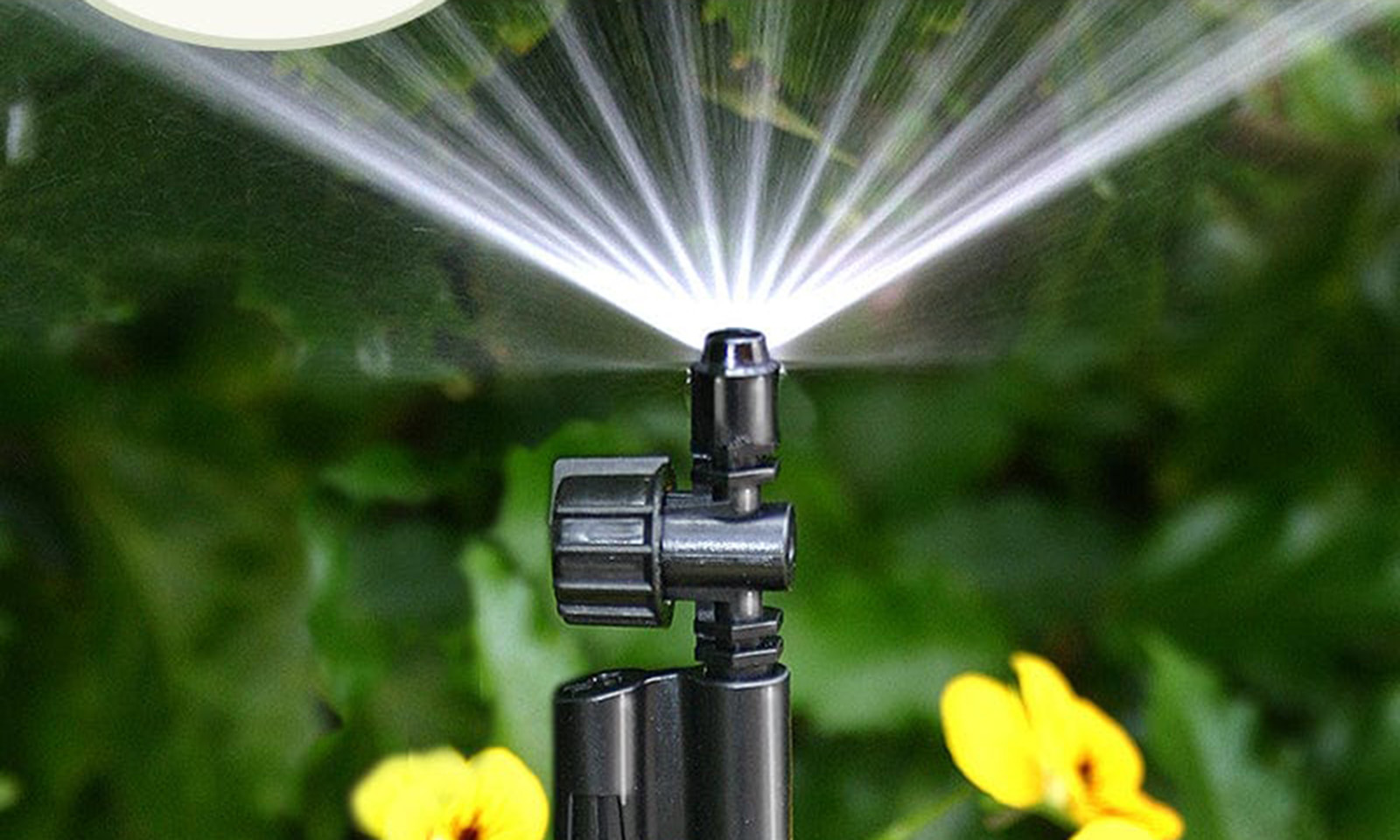
It has become obvious in recent years that all farmers need at least some irrigated land to cope with the vagaries of summer cropping and to be able to produce at least something in every month of the year, including the long stretch of dry months through winter and early summer.
There has been a growing dichotomy between those farmers who have managed to invest in some irrigation and those who have not. Even in very good summer seasons, and these are increasingly rare, being able to start planting early and then be able to cope with the gaps that invariably appear has been of huge advantage.
A farmer might just need to add 10 or 20 percent extra water over a season, but at critical times, to make a huge difference in the value of the subsequent summer crop. To a large extent with a competent farmer the investment in irrigation has a fairly short payback period, but the problem remains that the farmer needs to have that initial investment.
Small-scale farmers have been particularly affected, having very little in the way of capital and until now not being able to use their land and farm as collateral for prudent investment.
A raft of Government programmes, headed by Pfumvudza/Intwasa, plus some serious investment in the private sector, particular by tobacco merchants, has brought a number of farmers out of destitution and started producing incomes, but now extra steps are needed. The Second Republic’s production programmes have built up the pool of farming skills, since farmers have to complete the necessary basic training within their communities before they can benefit, and has sorted out those resettled through land reform into those who wanted to be productive farmers and those who just wanted a plot.
So we now have a large number of committed small-scale farmers who have acquired extra skills and know what they are doing.
It is this group who will now be advanced through new Government programmes, an irrigation starter kit that can irrigate 1ha and the issue of title deeds that cement the ties of these farmers to their land and allows them to upgrade their businesses.
The 1ha irrigation kits, the pump and pipes needed to tap whatever water source is available, is as the name suggests the starter kit, but it gets the small-scale farmer into higher levels of production right away.
We would hope that the kits can be flexible, allowing for supplementary irrigation during the summer season and full irrigation during the winter. Supplementary irrigation requires less water for each hectare, allowing what is available to be used on a larger area.
Generally the commercial farmers with irrigation often establish their summer crop with supplementary irrigation and then are able to move the pipes and pumps around during dry spells to give every plant at least some extra water.
In a bad drought this can be the difference between a written off crop and a modest harvest, but even in an ordinary year can increase yields significantly.
The title deed programme has a double function. First it means that the farmer and his family are tied to the land and that whatever they invest in the farm is theirs for ever. Even if land has to be compulsorily acquired for mining or urban development or a new dam or a main road, and these are needed, the farmer is absolutely guaranteed of full value, so cannot lose what they put into their farm.
Coupled with the start of irrigation this should allow prudent and skilled small-scale farmers to be able to add to their irrigation kit in reasonable years, continuing that drive for boosting rural incomes that has been the hallmark of the Second Republic.
We assume that the same conditions will apply to small-scale irrigation, the village plots by the boreholes, that the farmer will have to maintain his equipment, but with the extra income this cannot be a problem.
The more interesting calculation will be how fast the farmer can expand the system, by adding more flexibility through pipes and then a second pump and so on. Farmers and their families no longer form the majority of Zimbabweans, but they are easily the largest single group of Zimbabweans economically and so even pushing up their production by a few percent on average adds an extra percent of growth to the national gross domestic product.
Rural development is built around getting farm production and farm value up. As this happens experience in other countries suggests that the percentage of the rural population engaged in farming will fall as many new openings in the processing of farm produce open up and the services needed by profitable and productive farmers increases.
Even the introduction of the starter irrigation kits suggests that it will not be long before we find new businesses in rural areas run by people who can supply extra piping, can maintain and repair pumps and generally provide the backing that the farmers need.
With some sort of cropping 52 weeks a year, that implies that there will be new winter and hot season crops, and although this will be only on 1ha per family to start with will, when those hectares are added up, provide some interesting surpluses.
This should open opportunities for those in the agro-industries to suggest new crops and new varieties, with guaranteed markets, and open more doors for processing in communities of specialist products.
President Mnangagwa has been pushing hard throughout the Second Republic to upgrade farming, and especially small-scale farming, converting what used to be a subsistence sector that simply kept people off handouts into businesses that provide real incomes and the quality of life that an upper middle income family needs.
Farm incomes and especially those of small-scale farmers, always include a significant percentage of non-cash standards of living, such as a decent house with solar power and a large slice of the family’s own basic food supplies.
But the cash incomes are also needed for investment, and for the goods and services that the rest of us provide.
Getting rural development right with hundreds of thousands of profitable farmers provides a huge market for manufacturers and others who can make and sell what farmers want to buy, so we all win, as well as those farmers providing many of the raw materials that the rest of us need.



 Bongani Ndlovu