Chronicle Editor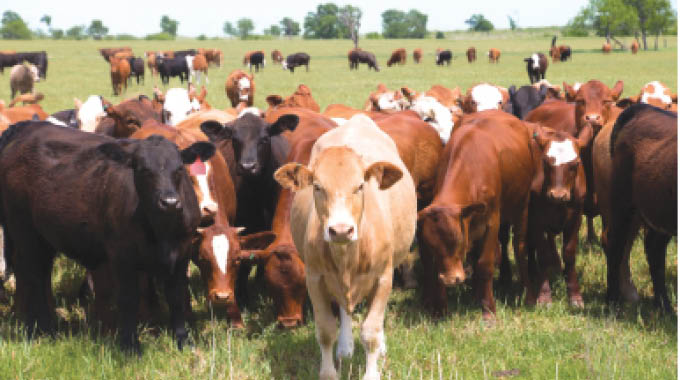
Judith Phiri, Business Reporter
LIVESTOCK farmers in the Jotsholo area in Lupane District are set to benefit from the setting up of a stock feed production plant by the Jotsholo Abattoir that is expected to reduce poverty deaths and improve the condition of livestock.
The abattoir has applied to council for a piece of arable land to grow fodder crops as they set their eyes on venturing into production of stock feed. Jotsholo Abattoir was built through a Public Private Partnership facilitated by the Dan Church Aid led Zimbabwe Resilience Building Fund (ZRBF) — Sizimele consortium between the Lupane Community Trust and Outback Safaris Private Limited.
Located at Jotsholo Centre, the abattoir has become the biggest in the province where only three proper abattoirs were in existence at Matetsi and Madumabisa in Hwange as well as Manjolo in Binga. Responding to questions from Sunday News, Jotsholo Abattoir managing director, Mr Mark Berger said the stock feed initiative was a community project, while they were hoping to start an out-grower system.
“Jotsholo Abattoir has applied for a piece of arable land near the Jotsholo Cattle Business Centre (CBC) on the Shangani River, in order to grow fodder crops for making stock feed. This will be a community project and hope to start an out-grower system for certain crops such as sunflower, among others, to aid in cheaper feed production,” he said.

He said the abattoir which continued to add value and earnings for smallholder farmers in Lupane District, in conjunction with Feed The Nation (FTN) and the Ministry of Lands, Agriculture, Fisheries, Water and Rural Development supplied wheat bales to farmers during the dry November period.
Mr Berger said they have also set up a cattle watering system above the town centre, in order for cattle to drink near their grazing areas and avoid the long walk to the Shangani River, to drink and walk back up the escarpment for the grazing.
In terms of deliveries to the abattoir, he said: “In 2023 deliveries ranged between 100 to 160 heads per month. However, since opening this year the deliveries have been poor due to the less rains and the newly added value added tax (VAT) on beef which was previously zero rated. This has resulted in a lot of illegal slaughters without health inspection on meat and will encourage stock theft.”
Mr Berger said this was a disadvantage to most farmers in Lupane who now preferred to deliver their cattle to the abattoir and bypass middlemen and other auctions for better prices.
“Cattle producers should prefer to deliver directly to the abattoir, in order to avoid the middleman cost, less transport costs, less bruising, full price and immediate payment, stock theft and unscrupulous buyers, among other things.”
Mr Berger said the introduction of two bulls this year, should improve general cattle genetics and in turn, fertility and confirmation.



 Online Reporter