admin
admin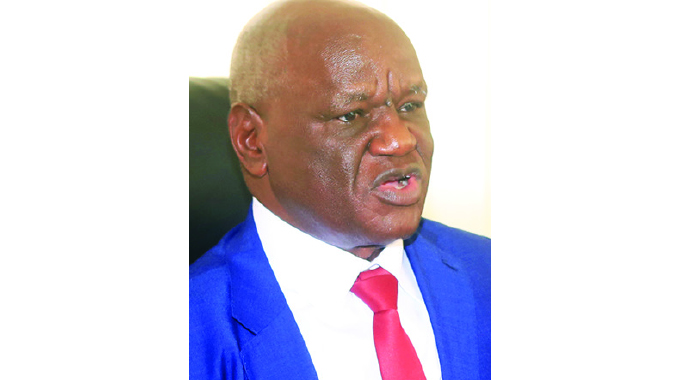
Fidelis Munyoro
Chief Court Reporter
THE Judiciary is preparing to implement a groundbreaking Alternative Dispute Resolution (ADR) framework aimed at resolving disputes outside the traditional court system.
Chief Justice Luke Malaba said this initiative represents a significant step forward in the ongoing reform of the justice delivery system.
This development comes against the backdrop of mounting backlogs in civil and commercial cases, often exacerbated by unnecessary delays caused by disputing parties.
To address this, the Judiciary Service Commission (JSC) has partnered with the University of Pepperdine in California, USA, to design and refine this transformative system.
During a meeting with ADR experts, Professors Daniel Jonathan Dewalt and Andrew Khaukho, Chief Justice Malaba discussed strategies for rolling out the framework.
He said the judiciary has already resolved to adopt alternative mechanisms that shift dispute resolution away from the courtroom.
These methods, said Chief Justice Malaba, empower the disputing parties to take ownership of the process and its outcomes, free from the oversight of judges or formal adjudication.
He explained to journalists how the ADR grants disputants control over both the procedure and the purpose of resolving their conflicts.
The Chief Justice said the resolution process remains in the hands of the involved parties, who understand the origins and dynamics of their disagreements better than any external authority.
“When disputes arise, it is not the court that crafts the contract—it is the individuals involved,” he said.
“They know why they breached the agreement, and they should also determine the path to resolution. This is the essence of empowering people to resolve their own disputes.”
The Chief Justice described ADR as a vital reform that enhances justice delivery by creating a system where different offices collaborate to serve the public effectively.
He urged citizens to embrace this initiative, emphasising its potential to deliver justice swiftly and efficiently.
Chief Justice Malaba noted that the system would counteract the misuse of courts by litigants who intentionally prolong legal processes for strategic or tactical gains.
“Some people come to court not intending to resolve disputes but to manipulate the system for delay. This misuse clogs the courts and stalls justice, but ADR offers a way to bypass such tactics.”
Professor Dewalt highlighted the global success of ADR, noting that it aligns with international best practices and has been widely adopted in countries such as the United States, parts of Europe, and Uganda, which integrated ADR over 15 years ago.
He revealed that 15 to 20 African nations, including Zimbabwe, are now exploring similar systems to tackle backlogs, reduce overcrowded prisons, and address delays in justice delivery.
“These countries face common challenges, and we are now extending our partnership to Zimbabwe after achieving notable success with Uganda’s judiciary,” he said.
“This collaboration reflects a shared commitment to innovation in justice reform.”
During the meeting, Chief Justice Malaba, Justice Tawanda Chitapi, and Constitutional Court Registrar Annita Tshuma received certificates of recognition for completing online ADR training through the University of Pepperdine.



 Online Reporter