Online Reporter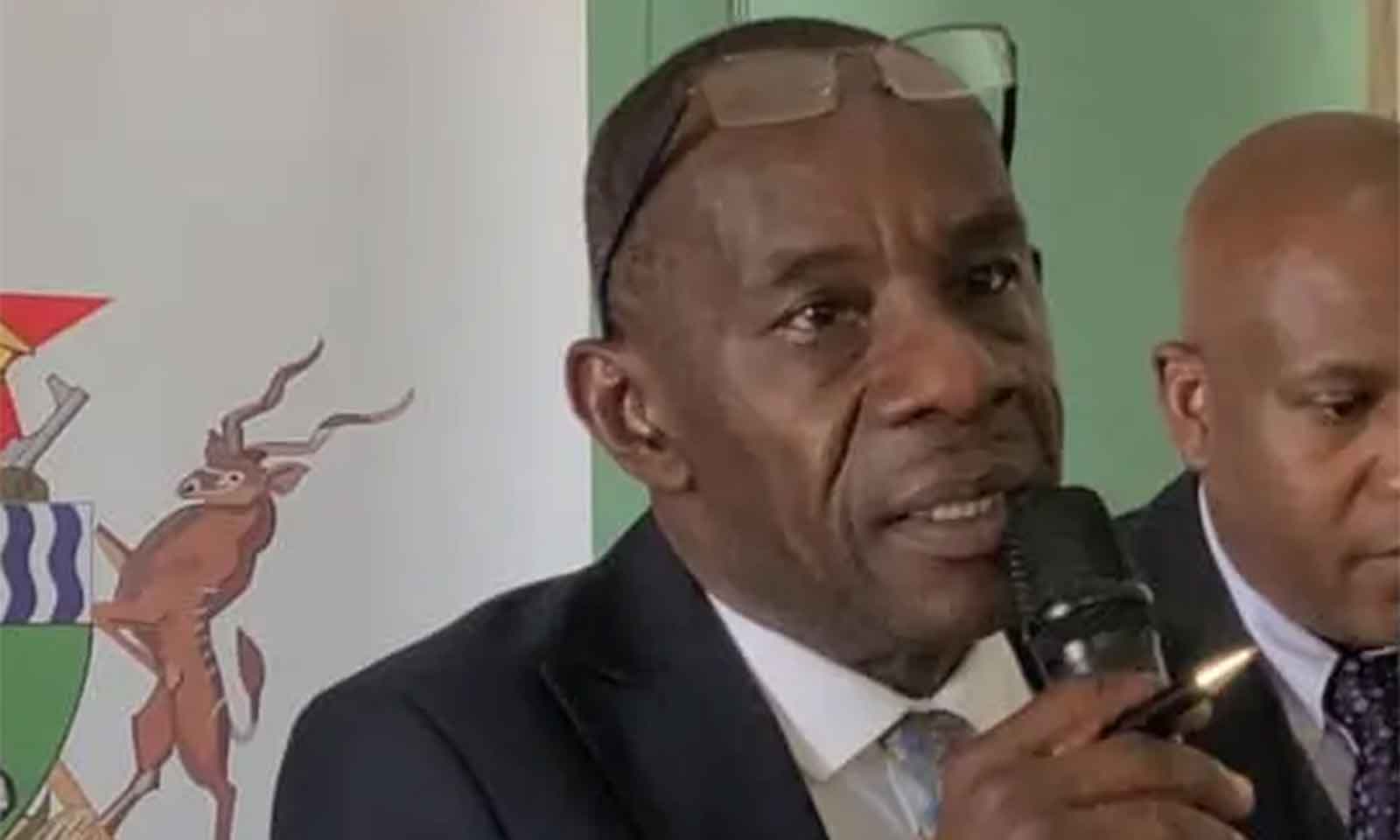
Tendai Gukutikwa
Mutare Bureau
THE Justice, Legal and Parliamentary Affairs Ministry has urged Manicaland residents to familiarise with the Marriages Act and to make use of legal aid services to protect their rights in marriage and property matters.
In an interview on the sidelines of a legal literacy outreach held at Bezeley Bridge Community Hall yesterday in Zimunya, Law Development Commission deputy chairperson, Mr Rex Shana, said many communities continued to misunderstand key provisions of the Marriages Act, leading to disputes that could be prevented through accurate information.
Mr Shana told participants that understanding the law was essential for protecting families.
“The Marriages Act sets out the rights and responsibilities of everyone who enters a marriage. If people know these provisions, they make better decisions and avoid conflicts that come from ignorance,” he said.
He said the Act, which came into effect in 2022, had generated a lot of rumours and misinformation, particularly around issues of customary and civil marriages, property rights and the minimum age of consent to marriage.
“We have discovered that people are still unsure about what the law actually says. Today’s programme is meant to clear up those misconceptions. We want people to walk away with facts, not hearsay,” he said.
Mr Shana stressed that Government wanted legal information to reach marginalised communities.
“This work is part of ensuring that no Zimbabwean is left behind when it comes to understanding the law. Access to legal knowledge is not a privilege, it is a right,” he said.
He said the Constitution’s Section 78, which guarantees the right to have a family at 18, remained at the centre of Zimbabwe’s marriage laws.
“No one must be forced into marriage, and the law is very clear on that. Child marriage is outlawed, and same-sex marriage is not recognised in Zimbabwe,” he added.
He also highlighted that the Act respects Zimbabwe’s diversity by recognising civil, customary and religious marriages, but within a lawful framework that protects spouses and children.
“Our traditions and religions are acknowledged, but harmful practices must fall away. The law protects the future of our children,” he said.
Mr Shana urged residents to pass on the information to neighbours and relatives.
“Programmes like this cannot reach every corner due to limited resources. That is why your presence is important. Take this knowledge home and share it,” he said.
The event also brought together officials from the Legal Aid Directorate, who offered free consultations to participants. Mr Shana urged residents to make use of the department instead of abandoning disputes or relying on untrained intermediaries.
“There are many people who suffer in silence because they think legal help is expensive. The Legal Aid Directorate exists to assist those who cannot afford private lawyers. Some cases even receive full representation. Do not hesitate to seek their help,” he said.
Participants were encouraged to engage actively and ask questions on property rights, the role of lobola under the new Act, registration of marriages and the legal weight of customary unions.
Mr Shana encouraged communities to continue engaging with the Justice Ministry and to report cases of forced marriage, child marriage and property dispossession.
“The law is there to protect you. But it only works when people know it and use it. The information shared today must ripple outwards. Many families remain uninformed, and misinformation spreads faster than facts. It is our collective duty to change that,” he said.
The ministry is expected to roll out similar legal literacy sessions across the country in the coming months as part of efforts to strengthen public understanding of the Marriages Act.