Online Reporter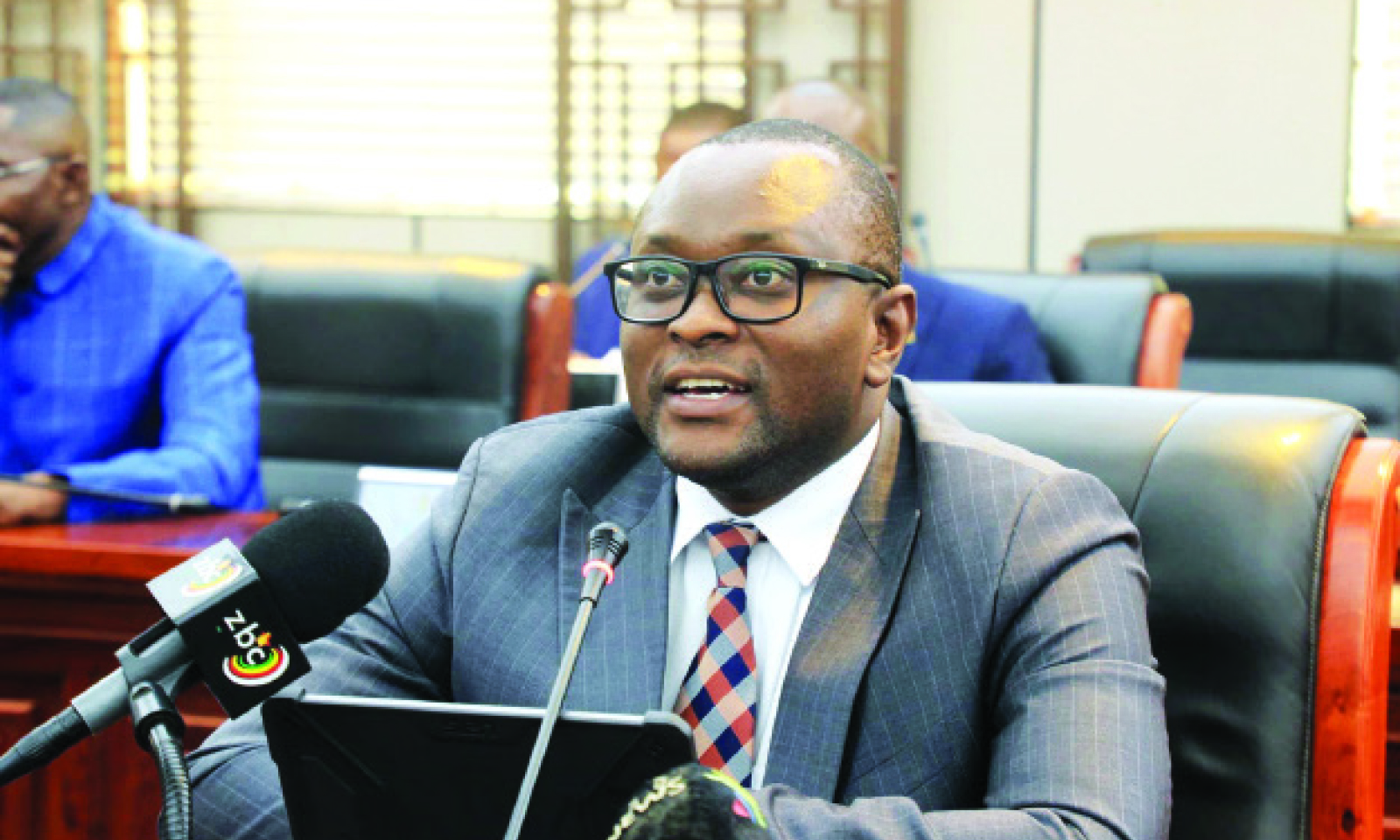
Raymond Jaravaza, [email protected]
ZIMBABWE’S energy outlook is set to improve significantly following increased water inflows into the Zambezi River and critical progress in the Kariba Dam Rehabilitation Programme, developments that signal renewed hope for enhanced power generation from the country’s largest hydro-electric station.
The Kariba Dam, which supplies a substantial portion of Zimbabwe’s electricity, has faced reduced generation capacity over the past year due to dwindling water levels and ageing infrastructure. However, Government authorities are now expressing cautious optimism following key technical milestones in dam rehabilitation and a promising hydrological outlook.
Speaking at a post-Cabinet media briefing in Harare on Tuesday, Information, Publicity and Broadcasting Services Minister, Dr Jenfan Muswere, said Cabinet had been briefed on progress at Kariba and the power supply situation.
“Cabinet received an update on the country’s power supply situation and the Zambezi River water inflows at Victoria Falls. Cabinet noted that inflows on the Zambezi River at Victoria Falls have improved greatly,” he said.
Last week, the Zambezi River Authority (ZRA), a bi-national agency jointly managed by Zimbabwe and Zambia, announced the successful completion of quality assurance tests on Gate 1 of the Kariba Dam.
The checks form part of the final stages in a multi-year rehabilitation programme aimed at securing the dam’s structural integrity and enhancing its capacity to sustainably generate hydroelectric power.
ZRA planning officer, Engineer Munesushe Mudzi, said the recent testing involved controlled water releases to assess the effectiveness of newly installed spillway components.
“We have completed testing on gate number 1. Previously, we tested gate number 2, and for this test we used about 1 500 cubic metres of water, equivalent to the amount of power generated over approximately 30 seconds,” he said.
“And this is not spilling, we are conducting quality checks on the works carried out over the past five years. These checks are part of the commissioning process under the Kariba Dam Rehabilitation Programme.”
Launched in 2019, the rehabilitation project has received funding from the European Union, World Bank, African Development Bank and other partners. It has been vital in addressing structural issues such as spillway gate malfunctions and plunge pool erosion.
Power output from the Kariba South Power Station has fluctuated drastically in recent years, at times dropping below 100 megawatts due to water rationing. However, with rehabilitation nearing completion and water inflows improving, the Zimbabwe Power Company is expected to gradually increase generation.
As of Tuesday, national power production stood at 1 389 megawatts: 1 064MW from Hwange Thermal Power Station, 252MW from Kariba, and 73MW from Independent Power Producers (IPPs).
While the country is still falling short of meeting peak demand, averaging between 1 700MW and 2 200MW, the Ministry of Energy and Power Development says improved generation from Kariba will bring critical relief to households, industry and farmers.
The progress at Kariba comes at a time when Government is accelerating energy sector investments to reduce dependency on imports, curb load-shedding and support broader economic recovery under the National Development Strategy 1 (NDS1).