Online Reporter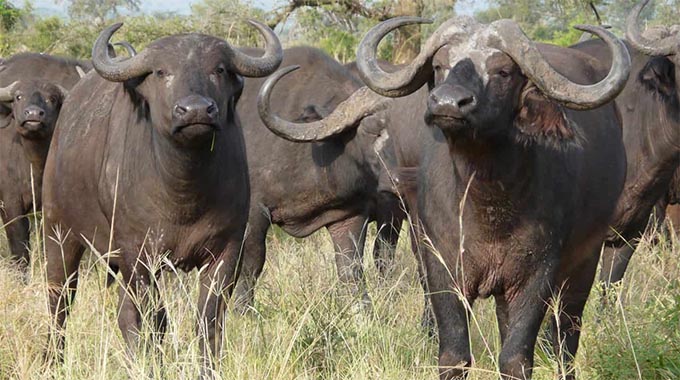
Mkhululi Ncube, [email protected]
A 55-year-old woman from Tsholotsho in Matabeleland North Province was killed by a buffalo last Tuesday while on her way to her field, as cases of human-wildlife conflict continue to affect rural communities.
The woman, Mrs Gladys Nkomo (née Ndebele) of Mpanidziba Village in Ward 2, was attacked at around 5pm when she encountered the animal hidden in a thicket.
Local ward Councillor, Sehlule Mathema, confirmed the tragic incident.
“The buffalo attacked her and left her with a swollen neck. Villagers found one of her tennis shoes stuck in a tree, while her unconscious body was discovered some distance away from the scene. Initially, family members thought she had been attacked by goblins and attempted traditional remedies, but sadly, she passed away at home around 7pm,” said Clr Mathema.
Clr Mathema noted that this was the first fatal wildlife attack in the area in a long time, raising concern among villagers. Mrs Nkomo was buried yesterday.
Tsholotsho Rural District Council Chief Executive Officer, Mr Nkululeko Sibanda, said the buffalo was tracked and killed on Friday following the incident. He urged villagers to report any sightings of wild animals to the authorities immediately in order to prevent further tragedies.
“It is an unfortunate incident and, as a council, we are covering all funeral expenses. We urge our communities never to provoke or attempt to chase away wild animals. Our parks teams are reporting an increasing number of animals moving from national parks into human settlements,” said Mr Sibanda.
Cases of human-wildlife conflict are on the rise across many parts of the country, as wild animals stray into villages in search of food and water, particularly during the dry season. In a statement last week, the Zimbabwe Parks and Wildlife Management Authority (ZimParks) reported a surge in human-wildlife conflict, with 18 fatalities and 32 injuries recorded since the beginning of the year.
ZimParks revealed that a total of 579 cases of human-wildlife conflict were documented in the first quarter of 2025, marking a significant increase compared to the same period last year. The most affected districts include Binga, Hwange, Kariba, Chiredzi, Hurungwe, Nyaminyami, and Mbire, where both human and livestock losses have been widespread.
To mitigate the crisis, ZimParks reported that it had translocated 129 wild animals back into protected areas and eliminated 158 problem animals. The organisation has also intensified community engagement and awareness programmes to promote safer co-existence between people and wildlife.
Zimbabwe, particularly in areas bordering major conservation zones such as Hwange, Mana Pools, and Gonarezhou National Parks, is facing a growing human-wildlife conflict crisis, with climate change identified as a key driver of the escalating problem. Elephants, lions, crocodiles, and hyenas are frequently involved in fatal encounters and livestock predation.
This worsening situation poses a serious threat to both wildlife and forest ecosystems, which are vital to tourism and the country’s environmental well-being. Over the past five years, nearly 300 people have lost their lives, while hundreds more have been injured in attacks by wild animals. The crisis has also resulted in significant livestock losses, crippling rural communities already grappling with the effects of climate change.
In a significant step towards addressing the worsening human-wildlife conflict exacerbated by climate change, the Parks and Wildlife Management Amendment Bill was recently tabled before Parliament for debate. The Bill proposes the creation of a compensation fund for victims of human-wildlife conflict, greater involvement of local communities in managing natural resources, and the professionalisation of wildlife experts.
One of the key provisions of the Bill is the establishment of a fund to compensate individuals who are killed, injured, or suffer property loss as a result of human-wildlife conflict. Funding for the compensation will be drawn from proceeds of the national hunting quota, a 0,5 percent human-wildlife relief levy on revenue generated by both consumptive and non-consumptive tourism, as well as allocations made by Parliament.