admin
admin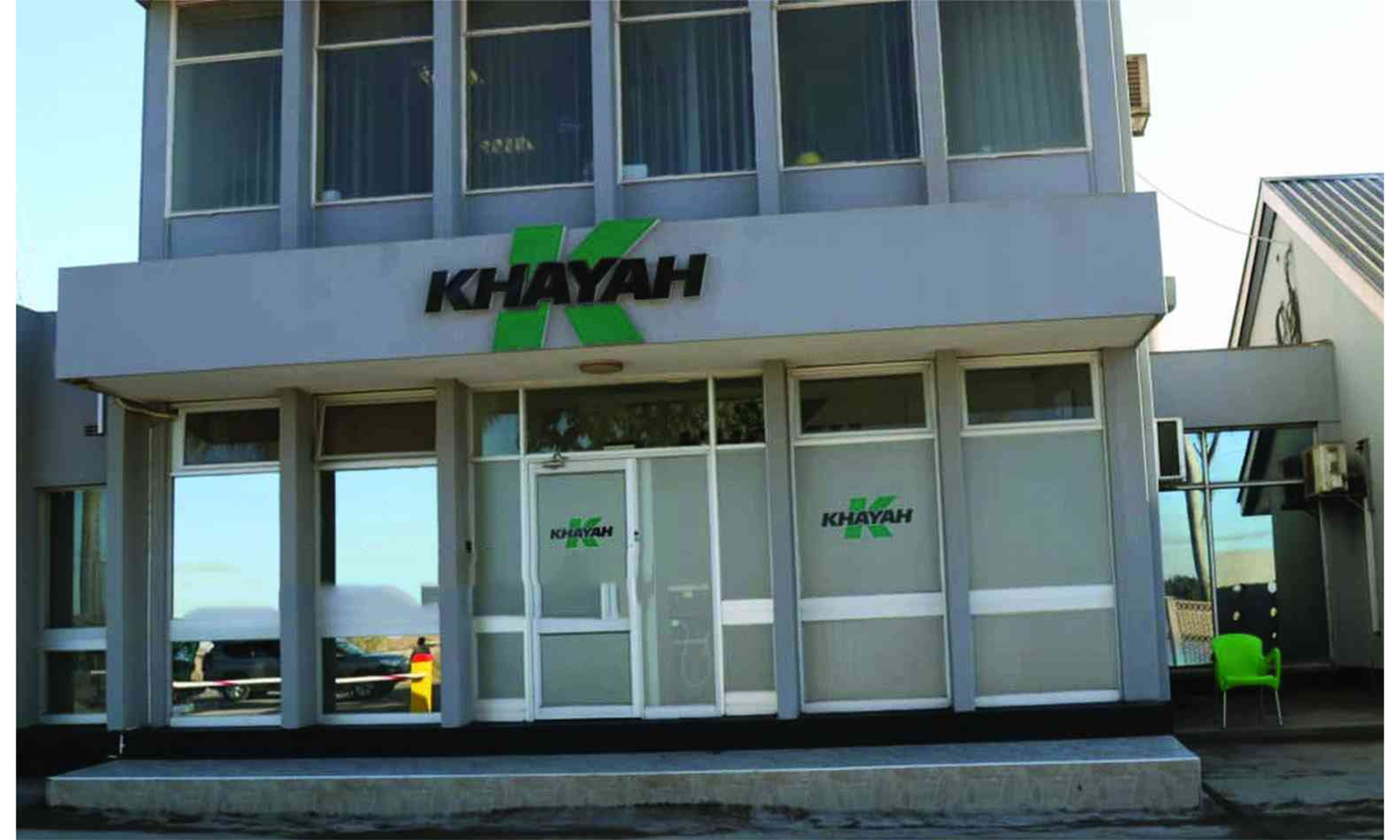
Business Reporter
Leading Zimbabwean cement producer Khayah Cement Limited, currently undergoing voluntary corporate rescue, will hold its first meeting with creditors next month, the company said.
The primary purpose of the meeting is for creditors to formally prove their claims against the company by submitting an affidavit for proof of claim.
The meeting, to be held on February 19 will also provide an overview of the corporate rescue proceedings, include a statement from the Master of the High Court regarding the prospects of rescuing the company, and facilitate the appointment of a creditors’ committee.
Corporate rescue, as defined by the Insolvency Act, involves temporarily supervising a financially distressed company, implementing a moratorium on creditor claims, and developing a rescue plan to restructure the business and maximise the likelihood of its continued solvent operation, or if that’s impossible, achieve a better return for creditors than immediate liquidation.
A company’s board may initiate voluntary corporate rescue if they believe the company is financially distressed and can be rescued. This is unlike involuntary liquidation which is initiated by creditors.
Khayah, formerly Lafarge, initiated corporate rescue proceedings citing “considerable challenges in meeting some of its obligations to creditors as and when they fall due for payment.”
It said prospects of meeting the company’s obligations were hampered by unanticipated, and yet major equipment breakdowns on its vertical cement mill and the kiln, resulting in significant loss of production coupled with large amounts of money being spent on repairing the equipment.
The kiln, essential for producing clinker at lower and competitive costs relative to imported clinker, was subsequently mothballed in 2023. Clinker is the major raw material in cement production.
Following the mothballing of the kiln, the company was forced to adopt a grinding station model to maintain a foothold in the market, pending recommissioning of the kiln. This necessitated buying in significantly more expensive clinker to support the new business model.
Additionally, trade restrictions, which were imposed on one of the members of the consortium that purchased a controlling stake in the company resulted in the withdrawal of critical support and service provision by financial institutions.
Certain key suppliers also withdrew their services making the purchase of goods and services very expensive.
Agitation among creditors on account of debts that were outstanding for extended periods resulted in escalations with some resorting to legal action.
To avert negative legal consequences and damage to the company’s assets and reputation, Larfage was obliged to make burdensome payment plans.
The impact has been an extraction of working capital from current operations — constraining working capital, recovery momentum and profitability.



 Online Reporter