Online Reporter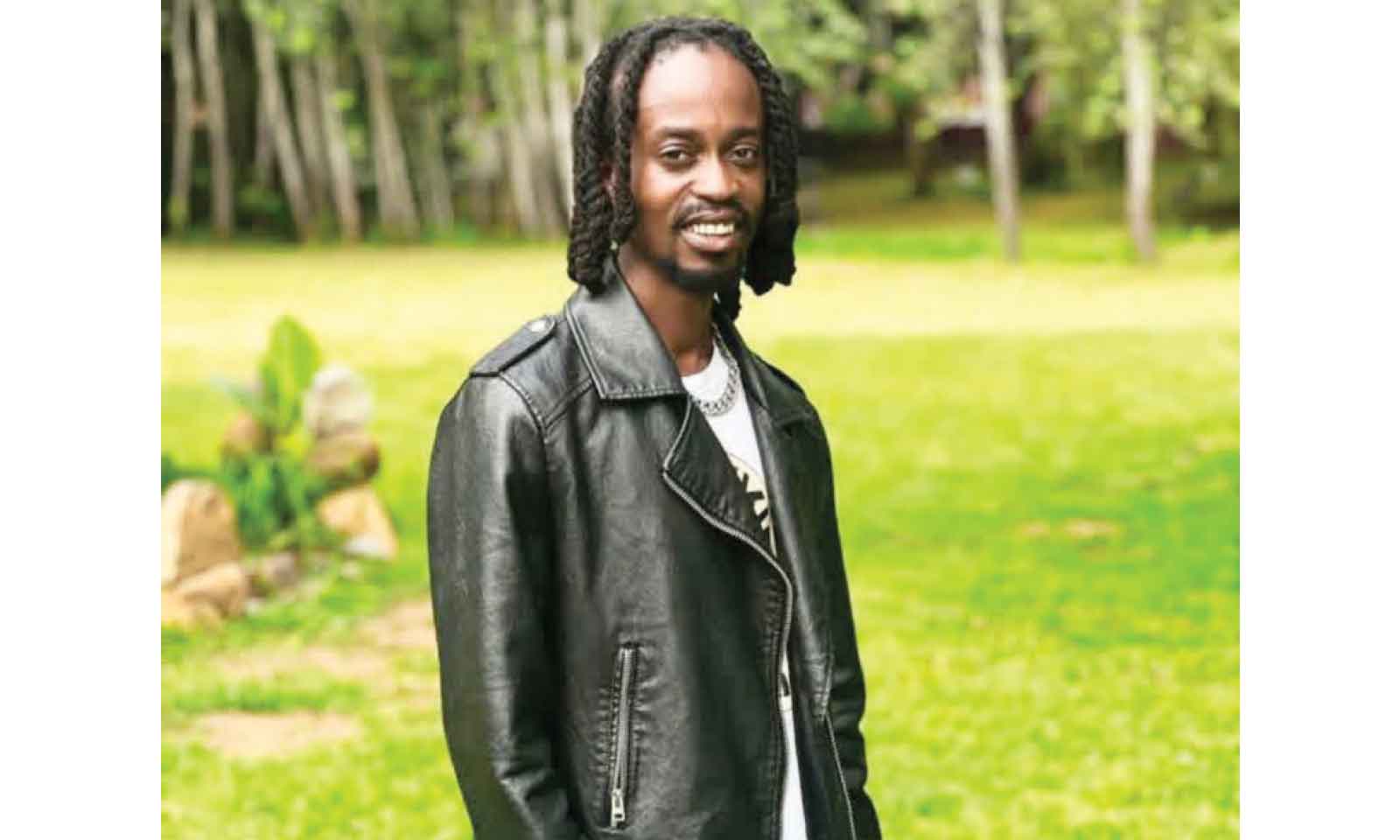
Langalihle Mhiti
Zimpapers Entertainment Hub
ZIMBABWEAN musicians are beginning to speak more openly about gender-based violence (GBV), using their influence to push a message that abuse should never be tolerated.
At the centre of the conversation is artist Tally B, whose recent remarks have resonated with many people across the country.
“If you miss kicking, go to the pitch, kick the ball not your wife, not a woman. Say no to GBV,” he said.
The statement quickly made rounds on social media, with many praising him for addressing the issue in a way that is both simple and direct.
“That’s the kind of message men need to hear,” one fan said.
“There’s never a reason to hit a woman.”
Another added, “Tally B didn’t sugar-coat anything. He said it as it is, and that’s why it’s powerful.”
His comments come at a time when cases of GBV continue to affect families and communities, making the voices of public figures even more important.
Also adding his voice to the issue is Zimdancehall heavyweight Winky D, who has long been known for addressing social issues through his music.
His latest collaborative project, “Love Shouldn’t Hurt,” featuring Ammara Brown, Mark Ngwazi and Madlela Skhobokhobo, carries a strong message about relationships built on respect rather than control.
The song has sparked conversations online, with listeners saying it reflects what many people go through in silence.
“Winky D always speaks for the people,” one fan said. “This song is not just music, it’s something people can relate to in real life.”
Another listener noted, “We need more songs like this. GBV is happening every day, and awareness is important.”
Media analyst Tendai Moyo believes musicians play a key role in shaping public attitudes.
“People connect with music on a personal level,” he said. “When artists speak about issues like GBV, it can influence how people think and behave.”
The involvement of artists like Tally B and Winky D is important for younger audiences, many of whom look up to them.
Their words and music often travel further than formal campaigns, reaching people in their everyday lives.


 Bongani Ndlovu