Langa Mabena
Langalakhe Mabena
On September 7, thousands of people flooded the streets of Bulawayo, dancing and singing in pride as they remembered the fallen founding Ndebele leader, King Mzilikazi.
Participants were drawn mainly from Zimbabwe, Botswana, Zambia, Lesotho, Swaziland, South Africa and United Kingdom, among other countries, as they came together to celebrate the King Mzilikazi Day.
Affectionately known as Umgubho weNkosi uMzilikazi, the day started with a march from Matshobane suburb (named after Mzilikazi’s father) to the large city hall car park.
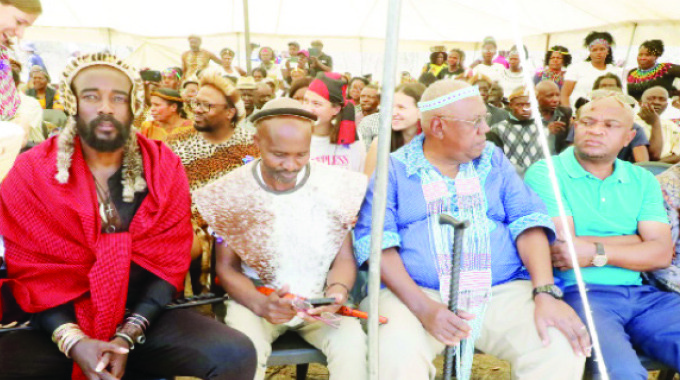
The parade was a colourful festivity, which saw the old and the young clad in their traditional gear, fostering a sense of pride and determination of celebrating who they are.
After touring the city of Bulawayo, the masses proceeded to Mhlahlandlela in Matobo, 20 kilometres from Bulawayo, for the official commemorations, which were graced by Bulelani Khumalo, a Ndebele cultural leader based in South Africa and local chiefs and members of the Khumalo royal family.
Themed “Helping the Youth to Fight Drug Abuse,” this year’s celebrations were aimed at attracting youths to come and learn about different life aspects that will help them in fighting drug abuse as well as abstaining from sex at a young age.
Amatshitshi (virgins) played a vital role in spreading the gospel as they were the ones who led almost all the activities at the commemoration from the march to introducing the chiefs at Mhlahlandlela.
Mthwakazi kaMzilikazi Cultural Association (MMCA) chairperson, Sipho Gama said that King Mzilikazi was a unifier, and a national builder and for that essence, he deserves to be celebrated by everyone.
“King Mzilikazi was a unifier; he brought together many ethnic groups to create a nation. We are celebrating this day to unite people and emulate his legacy. No leader in Southern Africa united so many people and we need to commemorate his legacy,” said Gama.
One of the key speakers at the event, Chief Dakamela said he was excited to see people coming to celebrate together despite differences in race, culture and ethnicity – a true reflection of the multi-ethnic state that was led by King Mzilikazi himself.
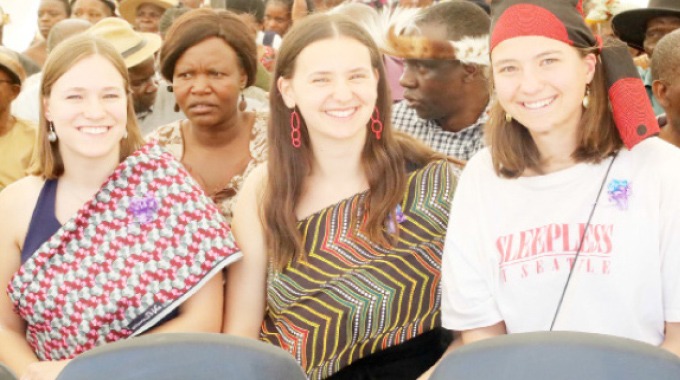
“People came from all over the world for this particular event. We have some that came from South Africa just for this and I also noticed that we have white members of our society amongst us. All this shows how much of a powerful leader Mzilikazi was.
“He built this nation by bringing people from different places. A nation is not just the building or other kinds of infrastructure. It is the unity of the people, the kind of unity that we saw on that day. That is Ubuntu.
As a traditional leader, I was happy to have attended and I encourage people to continue coming in their numbers to show the support and remembrance we have for King Mzilikazi,” said Dakamela.
Representing Amantungwa based in South Africa, Thokozani Khumalo said they were happy with the growing importance of King Mzilikazi’s celebrations in Zimbabwe.
“We are happy that adults brought young people to this event because, without our young people, there’s no future for our culture. We would like to see unity amongst our people as a royal family.
Let’s stand together because the preservation of our culture is everyone’s responsibility and that does not fall to the Khumalo family only,” she said.
King Mzilikazi was born in 1790 near Mkuze in South Africa. He was a son of Matshobana and Nompethu kaZwide. His story became more pronounced after his defiance against the formidable and feared King Shaka, leading to his northward migration in 1823 and settling in Zimbabwe.
His death 157 years ago on September 9, 1868, saw him laid to rest at Mhlahlandlela, Entumbane cave in Matobo, 20 kilometres from Bulawayo.
The annually held King Mzilikazi Day is organised by the Mthwakazi kaMzilikazi Cultural Association (MMCA) and other affiliated associations.


 Online Reporter